
Introduction
The 8x8 stainless steel chimney cap is a critical component in flue gas venting systems, functioning to prevent the ingress of water, debris, and animals while permitting the safe egress of combustion byproducts. Positioned at the termination point of a chimney, it protects the chimney masonry from deterioration caused by moisture penetration and safeguards against potential fire hazards arising from accumulated creosote or external ignition sources. Within the broader industrial chimney systems supply chain, the chimney cap represents a final, essential protective element, often manufactured from Type 304 or 316 stainless steel for superior corrosion resistance. Its core performance characteristics center on maintaining consistent draft, minimizing water damage, and enhancing the overall longevity of the chimney structure. Effective chimney caps are vital for maintaining the safety and efficiency of heating and ventilation systems.
Material Science & Manufacturing
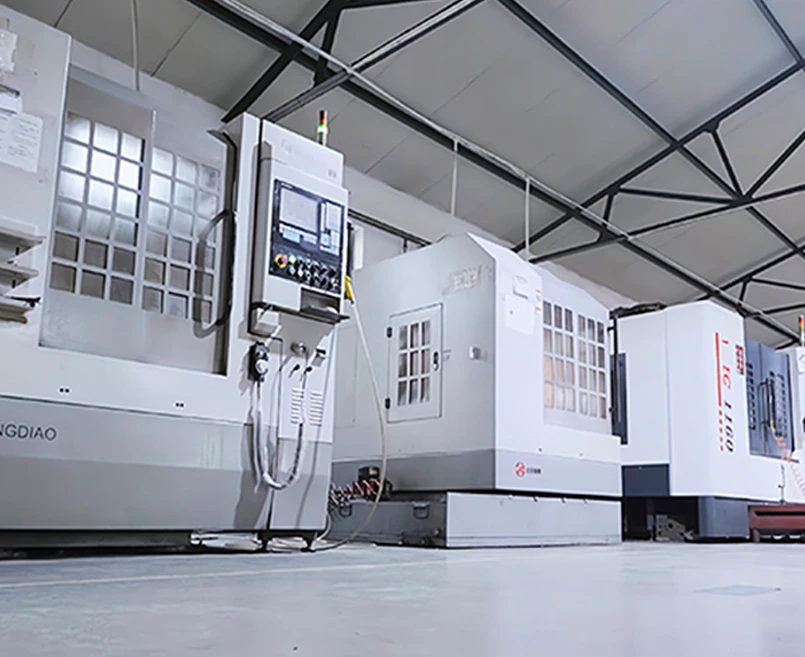
The primary material for 8x8 stainless steel chimney caps is typically Type 304 or 316 stainless steel. Type 304 boasts excellent corrosion resistance in a wide range of atmospheric environments, due to its 18-8 chromium-nickel composition (18% chromium, 8% nickel). Its tensile strength ranges from 75,000 to 85,000 psi, and its yield strength is approximately 30,000 psi. Type 316 enhances this corrosion resistance, particularly against chlorides, through the addition of molybdenum (2-3%). Raw material selection is crucial, with mill test reports verifying chemical composition and mechanical properties. Manufacturing processes commonly involve sheet metal fabrication techniques. Firstly, stainless steel sheets are cut to size using laser cutting or shearing. The cut blanks are then formed into the cap’s conical or pyramidal shape via bending and rolling operations, often utilizing CNC press brakes for precision. Welding, typically using Gas Tungsten Arc Welding (GTAW) or Gas Metal Arc Welding (GMAW), joins the formed components. Critical parameters during welding include heat input, shielding gas composition (typically argon or argon/CO2 mixtures), and weld bead geometry, all of which affect corrosion resistance and structural integrity. Post-welding, passivation is performed to restore the chromium-rich surface layer, enhancing corrosion protection. Finally, surface finishing, such as polishing or brushing, improves aesthetic appeal and reduces surface imperfections that could initiate corrosion.
Performance & Engineering
The performance of an 8x8 stainless steel chimney cap is dictated by its ability to withstand environmental loads and maintain chimney draft. Wind loading is a primary concern, demanding sufficient structural rigidity to prevent deformation or detachment. Force analysis, employing computational fluid dynamics (CFD), is used to determine wind pressure distribution across the cap’s surface. The cap must resist uplift forces and lateral loads generated by wind gusts. Environmental resistance is further characterized by its ability to withstand temperature fluctuations, UV exposure, and precipitation. Stainless steel’s inherent corrosion resistance mitigates degradation from acid rain or airborne pollutants. The cap’s design must also account for potential snow and ice accumulation. Downwash effects, where wind is deflected downward by the cap, can impact draft efficiency. Proper cap height and design features, such as rain skirts or bird guards, minimize downwash and ensure efficient flue gas expulsion. Compliance requirements, dictated by local building codes and standards like the International Residential Code (IRC), specify minimum cap dimensions, material requirements, and installation procedures. The cap’s design should allow for thermal expansion and contraction of the chimney without inducing stress on the cap itself or the underlying masonry.
Technical Specifications
| Parameter | Type 304 Stainless Steel | Type 316 Stainless Steel | Unit |
|---|---|---|---|
| Nominal Size | 8x8 inches | 8x8 inches | inches |
| Material Grade | 304 | 316 | - |
| Minimum Thickness | 16 Gauge (1.5mm) | 16 Gauge (1.5mm) | mm |
| Tensile Strength | 75,000 - 85,000 | 75,000 - 85,000 | psi |
| Yield Strength | 30,000 | 30,000 | psi |
| Corrosion Resistance | Good | Excellent (especially to chlorides) | - |
Failure Mode & Maintenance
Failure modes for 8x8 stainless steel chimney caps typically fall into several categories. Corrosion, particularly pitting corrosion in chloride-rich environments, can lead to localized material loss and eventual cap failure. Fatigue cracking can occur due to repeated wind loading and thermal cycling, especially around weld joints. Stress corrosion cracking is a concern in environments with high tensile stresses and corrosive agents. Mechanical damage, resulting from impact by falling debris or ice, can cause deformation or fracturing. Delamination of the stainless steel, while less common, can occur due to improper welding or material inconsistencies. Oxidation at high temperatures, though less of a concern for chimney caps than for combustion chambers, can contribute to surface degradation over prolonged exposure. Maintenance involves periodic inspections for signs of corrosion, cracking, or deformation. Cleaning to remove soot, debris, and accumulated contaminants is essential. Weld joints should be visually inspected for cracks. If corrosion is detected, localized repair welding, followed by passivation, may be possible for minor damage. For extensive corrosion or structural failure, cap replacement is recommended. Protective coatings, such as ceramic coatings, can be applied to enhance corrosion resistance in harsh environments.
Industry FAQ
Q: What is the difference between Type 304 and Type 316 stainless steel for chimney caps, and when would I choose one over the other?
A: Type 316 stainless steel offers superior corrosion resistance, particularly against chlorides (like saltwater), compared to Type 304. Choose Type 316 if the chimney is located in a coastal environment, industrial area with corrosive fumes, or where de-icing salts are used frequently. Type 304 is suitable for most inland residential applications where chloride exposure is minimal, offering a cost-effective balance of corrosion resistance and price.
Q: How do I ensure proper welding to prevent corrosion around the seams of the chimney cap?
A: Proper welding is critical. Use a low-heat input welding process like GTAW (TIG) with argon shielding gas. Thoroughly clean the weld area before welding to remove any oxides or contaminants. Post-weld passivation is essential to restore the chromium-rich surface layer, enhancing corrosion resistance. Inspect weld seams visually for porosity or cracks.
Q: What is the expected lifespan of a stainless steel chimney cap?
A: The lifespan varies depending on the environment and maintenance. With proper material selection (Type 316 in harsh environments) and regular cleaning, a stainless steel chimney cap can last 20-30 years or more. Regular inspections can help identify and address potential issues before they lead to premature failure.
Q: How important is the gauge (thickness) of the stainless steel used in the cap?
A: Gauge is a significant factor in structural integrity. A thicker gauge (lower number) provides greater resistance to wind loads, impact damage, and corrosion. 16 gauge (1.5mm) is a common minimum thickness for 8x8 chimney caps, providing a good balance of strength and weight.
Q: What building codes or standards govern the installation of chimney caps?
A: Installation is typically governed by the International Residential Code (IRC) and local building codes. These codes specify minimum cap dimensions, material requirements, and proper clearance from combustible materials. Consult your local building department for specific requirements in your area.
Conclusion
The 8x8 stainless steel chimney cap represents a crucial component in maintaining the safety, efficiency, and longevity of chimney systems. Its selection hinges on careful consideration of material properties – particularly the corrosion resistance offered by Type 304 versus Type 316 stainless steel – and adherence to stringent manufacturing processes like precise welding and effective passivation. Understanding the potential failure modes, from corrosion and fatigue cracking to mechanical damage, is paramount for proactive maintenance and ensuring consistent performance.
Ultimately, proper design, material selection, fabrication, and installation, guided by relevant industry standards and building codes, ensure the chimney cap effectively protects the chimney structure and safeguards against potential hazards. Ongoing inspection and cleaning practices are integral to maximizing its service life and minimizing the risk of costly repairs or replacements.