
Introduction
Aluminum post caps are protective coverings designed to fit over the top of posts constructed from wood, metal, vinyl, or composite materials. Primarily utilized in residential, commercial, and industrial applications – encompassing fencing, decking, railing, and landscaping – their function extends beyond aesthetics. They shield the post core from environmental degradation, prevent water intrusion which leads to rot and structural compromise, and contribute to the overall longevity of the post assembly. Within the building materials supply chain, post caps represent a finishing component, impacting both the functional performance and visual appeal of installed systems. Key performance indicators include corrosion resistance, UV stability, dimensional accuracy for secure fitment, and load-bearing capacity where applicable. This guide provides a comprehensive technical overview of aluminum post caps, covering material science, manufacturing processes, performance characteristics, failure modes, and relevant industry standards.
Material Science & Manufacturing
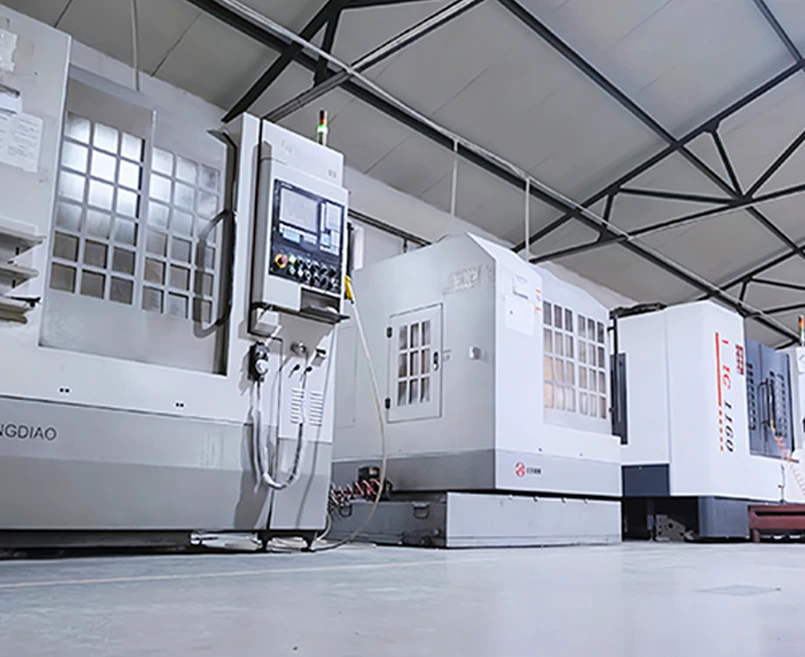
The predominant material for aluminum post caps is typically 6061-T6 aluminum alloy, selected for its excellent balance of strength, weldability, and corrosion resistance. 6061-T6 contains major alloying elements of magnesium and silicon. Its tensile strength ranges from 45,000 to 55,000 psi, while yield strength falls between 40,000 and 50,000 psi. The ‘T6’ designation indicates solution heat treatment followed by artificial aging, maximizing strength. Alternative alloys like 5052-H32 (higher corrosion resistance, lower strength) and 3003-H14 (excellent formability, lower strength) are utilized for specific applications. Manufacturing processes commonly include extrusion for creating the cap’s profile, followed by precision cutting to length. Welding, typically using Gas Metal Arc Welding (GMAW) or Gas Tungsten Arc Welding (GTAW), is employed to fabricate more complex cap designs, such as those with decorative features or integrated mounting brackets. Critical parameters during welding include maintaining appropriate heat input to avoid distortion, ensuring complete fusion, and preventing porosity. Surface finishing processes, including anodizing (Type II or Type III), powder coating, or painting, are crucial for enhancing corrosion resistance and aesthetic appearance. Anodizing creates a protective oxide layer on the aluminum surface. Powder coating provides a durable, chip-resistant finish. Parameter control in these finishing processes – film thickness, adhesion, and chemical resistance – are vital for product durability. Chemical compatibility between the alloy and the coating is also a key factor in longevity. Die casting can also be employed for high-volume production of intricately shaped caps, requiring careful control of mold temperature and injection pressure to minimize porosity and ensure dimensional accuracy.
Performance & Engineering
The engineering performance of aluminum post caps is dictated by several factors. Load bearing capacity, while often minimal (primarily resisting gravitational forces and wind loads), is critical in railing applications where the cap may contribute to structural integrity. Finite Element Analysis (FEA) is frequently used to model stress distribution within the cap under various load conditions, ensuring adequate safety margins. Environmental resistance is paramount. Aluminum, while inherently corrosion resistant due to the formation of a passive oxide layer, can experience galvanic corrosion when in contact with dissimilar metals (e.g., steel fasteners). This is mitigated through the use of compatible materials, isolating the metals with non-conductive barriers, or employing sacrificial anodes. UV exposure can degrade certain coatings, leading to chalking, fading, and reduced protective properties. UV stabilizers are incorporated into powder coatings and paints to prolong their service life. Dimensional stability is crucial for a secure fit. Thermal expansion and contraction of the aluminum alloy must be accounted for in the design, particularly in applications with significant temperature fluctuations. Compliance requirements vary by region and application. For railing systems, building codes often specify minimum load requirements and safety factors. Post caps must meet these requirements to ensure structural safety. The design must also consider drainage – ensuring water does not pool within the cap, which can accelerate corrosion or freeze-thaw damage in colder climates. Properly engineered post caps incorporate weep holes or channels to facilitate water runoff. Shear stress analysis is crucial to understand the forces exerted on fasteners securing the cap to the post, especially during high wind events.
Technical Specifications
| Alloy Designation | Tensile Strength (PSI) | Yield Strength (PSI) | Typical Anodize Thickness (µm) |
|---|---|---|---|
| 6061-T6 | 45,000 - 55,000 | 40,000 - 50,000 | 25 (Type II) / 25-50 (Type III) |
| 5052-H32 | 30,000 - 40,000 | 20,000 - 30,000 | 25 (Type II) |
| 3003-H14 | 20,000 - 30,000 | 10,000 - 20,000 | 25 (Type II) |
| Powder Coating Thickness | N/A | N/A | 80-120 |
| Salt Spray Resistance (ASTM B117) – Anodized | N/A | N/A | 80-160 hours (depending on thickness and grade) |
| Thermal Expansion Coefficient | N/A | N/A | 23.6 x 10⁻⁶ /°C |
Failure Mode & Maintenance
Aluminum post caps can fail through several mechanisms. Galvanic corrosion, as previously mentioned, is a common issue, especially in marine environments or areas exposed to road salt. This manifests as pitting corrosion around fasteners or contact points with dissimilar metals. Coating failures, including cracking, blistering, and delamination, can occur due to inadequate surface preparation, poor coating adhesion, or UV degradation. Mechanical damage, such as impact from debris or accidental contact, can cause dents, scratches, or complete cap failure. Fatigue cracking can develop in welded caps subjected to cyclic loading (e.g., wind gusts). Crevice corrosion can initiate in areas where water and contaminants accumulate, particularly under improperly fitted caps. Maintenance strategies include regular inspection for signs of corrosion or coating damage. Promptly address any corrosion by cleaning the affected area and applying a corrosion inhibitor or touch-up coating. Periodic cleaning with a mild detergent and water can remove dirt and contaminants. Re-tighten fasteners as needed to maintain a secure fit. If galvanic corrosion is identified, consider replacing steel fasteners with stainless steel or isolating the metals with a non-conductive barrier. For powder-coated caps, avoid abrasive cleaners that can damage the finish. Replacing severely damaged caps is often the most cost-effective solution, preventing further structural compromise.
Industry FAQ
Q: What alloy is best suited for marine applications?
A: For marine applications, 5052-H32 aluminum alloy is generally preferred over 6061-T6 due to its superior corrosion resistance, particularly in saltwater environments. While 6061-T6 offers higher strength, the increased risk of corrosion in a marine setting makes 5052-H32 the more reliable choice. Anodizing, and potentially a marine-grade coating, is still recommended even with 5052-H32.
Q: What is the benefit of Type III anodizing versus Type II?
A: Type III anodizing provides a significantly thicker and more durable oxide layer than Type II. This translates to enhanced corrosion resistance, wear resistance, and UV protection. While more expensive, Type III anodizing is justified in harsh environments or applications requiring a longer service life.
Q: How can I prevent galvanic corrosion when using aluminum post caps with steel posts?
A: Several strategies can mitigate galvanic corrosion. Using stainless steel fasteners is a primary step. Applying a non-conductive barrier, such as a plastic washer or coating, between the aluminum cap and steel post, prevents direct electrical contact. Applying a zinc-rich primer to the steel post provides sacrificial protection.
Q: What is the typical lifespan of a powder-coated aluminum post cap?
A: The lifespan of a powder-coated aluminum post cap varies depending on environmental conditions and coating quality. In moderate climates, a properly applied powder coat can last 10-15 years with minimal maintenance. However, in harsh environments (e.g., coastal areas, industrial pollution), the lifespan may be shorter, requiring more frequent recoating or replacement.
Q: What load capacity should I consider when selecting a post cap for railing applications?
A: The load capacity requirements are dictated by local building codes and the railing system’s design. Consult with a structural engineer to determine the appropriate load capacity for your specific application. Typically, railing post caps must be able to withstand lateral loads imposed by wind and occupant force. Codes typically specify minimum load requirements and safety factors.
Conclusion
Aluminum post caps represent a critical component in protecting and enhancing the longevity of post structures across diverse applications. Their performance is intricately linked to material selection – particularly the choice of aluminum alloy – and the quality of manufacturing processes, including welding and surface finishing. Understanding the potential failure modes, such as galvanic corrosion and coating degradation, is crucial for implementing effective preventative maintenance strategies. Selecting the appropriate alloy, coating, and manufacturing process, alongside adherence to relevant industry standards, ensures optimal performance and a prolonged service life.
The continued advancement of aluminum alloy technology and coating formulations promise further improvements in the durability and aesthetic appeal of post caps. Future developments may focus on self-healing coatings to mitigate corrosion, lighter-weight alloys to reduce structural loads, and more sustainable manufacturing processes to minimize environmental impact. A comprehensive understanding of the technical aspects outlined in this guide is essential for procurement managers, engineers, and installers seeking to optimize the performance and value of post cap systems.