
Introduction
Galvanised post caps are protective coverings designed to fit over the tops of posts constructed from various materials, most commonly wood and steel. Their primary function is to prevent water ingress and subsequent corrosion or decay, extending the lifespan of the post. Within the construction, agricultural, and landscaping industries, post caps represent a critical, albeit often overlooked, component of structural integrity. While seemingly simple in design, their efficacy is directly linked to the quality of the galvanisation process, material composition, and correct installation. The market for post caps is driven by demand for durable, low-maintenance infrastructure and adherence to building codes regarding structural protection. Core performance characteristics include corrosion resistance, load-bearing capacity (though minimal), dimensional stability, and aesthetic integration with the overall post and fencing system. A key pain point for end-users is selecting a post cap with sufficient galvanisation thickness to withstand specific environmental conditions and potential chemical exposure.
Material Science & Manufacturing
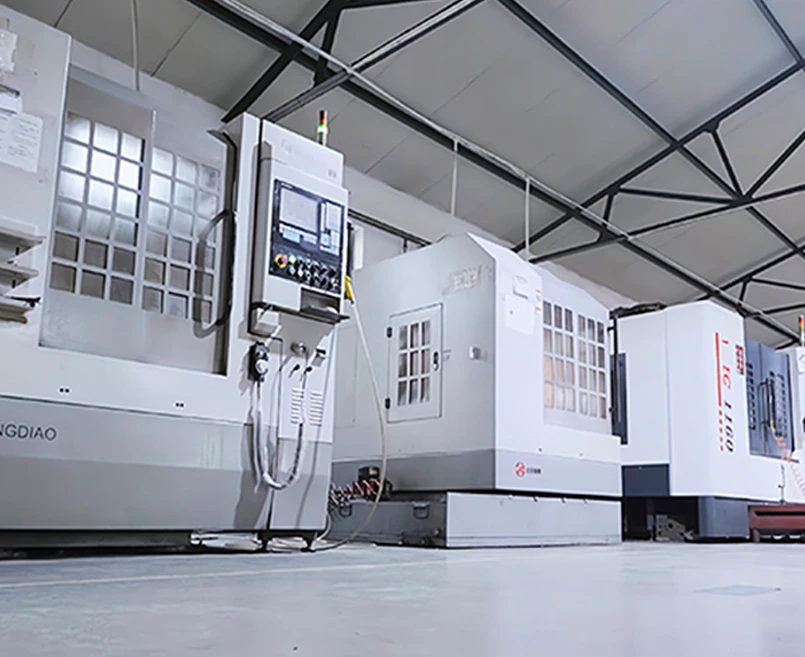
The primary material for galvanised post caps is typically carbon steel, chosen for its cost-effectiveness and formability. However, stainless steel variants are increasingly used in aggressive environments demanding superior corrosion resistance. The galvanisation process itself is critical. Hot-dip galvanising is the most common method, involving immersing the steel cap in a bath of molten zinc. This creates a metallurgical bond resulting in a zinc coating that provides both barrier and sacrificial protection. The thickness of this zinc layer – measured in microns or grams per square meter – directly correlates to the longevity of the cap. Manufacturing processes vary based on cap design. Simple cap designs are often produced through stamping and forming operations. More complex designs, particularly those with decorative features or precise fit requirements, may necessitate deep drawing, machining, or even casting. Parameter control is vital. In hot-dip galvanising, bath temperature, steel surface preparation (including pickling to remove mill scale), and cooling rates are all rigorously controlled to ensure uniform coating thickness and adherence. Steel composition significantly impacts galvanisation adherence; high carbon content can lead to brittle coatings. Post-galvanisation, passivation treatments are sometimes applied to further enhance corrosion resistance, particularly in marine environments. Material compatibility is also crucial. The galvanised coating must be compatible with any wood treatment chemicals used on wooden posts to avoid accelerated corrosion.
Performance & Engineering
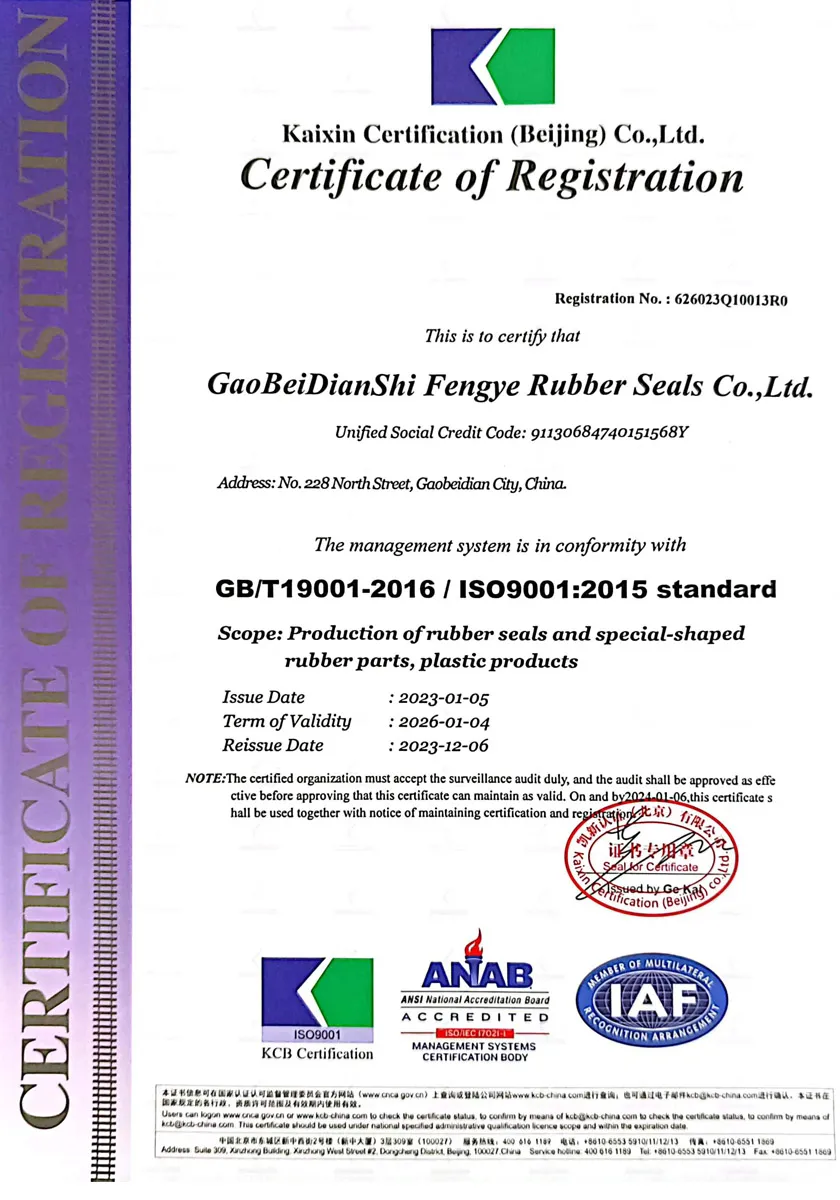
The primary engineering consideration for galvanised post caps is their ability to withstand environmental stresses and prevent corrosion. Force analysis, though generally minimal for caps (they primarily resist downward pressure from precipitation and limited lateral loads), must account for potential impact damage and snow/ice accumulation, particularly in regions with harsh winters. The design must also prevent water pooling, which can accelerate localised corrosion. Environmental resistance is paramount. Galvanised coatings provide excellent protection against atmospheric corrosion, but performance can be compromised by exposure to chlorides (e.g., saltwater, de-icing salts), sulfates, and acidic pollutants. Compliance requirements vary by region. Building codes often dictate the need for corrosion-resistant materials in structural applications. ASTM standards (see footer) provide specifications for galvanisation thickness and coating quality. The effectiveness of the cap is also linked to proper installation. A snug fit is essential to prevent water penetration. Caps should be securely fastened to the post, typically using screws or adhesives compatible with both the galvanised steel and the post material. Furthermore, the integrity of the galvanisation itself is critical. Any scratches or damage to the coating must be repaired to prevent rust initiation. Electrochemical considerations are also relevant. Galvanic corrosion can occur if the post cap is in contact with a dissimilar metal in the presence of an electrolyte, so proper isolation techniques should be employed.
Technical Specifications
| Parameter | Unit | Typical Value (Standard Grade) | Typical Value (Heavy Duty Grade) |
|---|---|---|---|
| Material | - | Carbon Steel (e.g., Q235) | Stainless Steel (e.g., 304) |
| Galvanisation Thickness | µm | 50-70 | 80-120 |
| Zinc Coating Weight | g/m² | 400-600 | 600-800 |
| Tensile Strength (of Steel) | MPa | 410-530 | >500 |
| Corrosion Resistance (Salt Spray Test) | Hours | 240-480 | 720-1000 |
| Operating Temperature Range | °C | -40 to +80 | -40 to +150 |
Failure Mode & Maintenance
Galvanised post caps are susceptible to several failure modes. The most common is corrosion, primarily manifesting as red rust after the zinc coating has been breached. This can occur due to mechanical damage (scratches, dents), chemical attack (acid rain, chlorides), or depletion of the sacrificial zinc layer over time. Another failure mode is fatigue cracking, particularly in caps subjected to repeated impact or vibration. Delamination of the galvanised coating, though less frequent, can occur due to inadequate surface preparation prior to galvanisation. Degradation of any applied passivation treatments can also reduce corrosion resistance. Oxidation, particularly in high-temperature environments, can affect the integrity of the coating. To mitigate these failures, regular inspection is crucial. Look for signs of rust, coating damage, or loose fasteners. Maintenance involves cleaning the cap surface to remove dirt and debris, repairing any damaged areas with zinc-rich paint, and re-tightening fasteners. In cases of severe corrosion, replacement of the cap is necessary. Preventative measures include avoiding abrasive cleaning methods, selecting caps with appropriate galvanisation thickness for the environment, and ensuring proper installation. Regular application of a wax-based protectant can extend the lifespan of the galvanised coating, especially in marine or industrial environments. Avoid using harsh chemicals or cleaners that may compromise the zinc layer.
Industry FAQ
Q: What is the difference between hot-dip galvanising and electrogalvanising for post caps?
A: Hot-dip galvanising provides a thicker, more durable coating due to the metallurgical bond formed between the zinc and the steel substrate. It's generally preferred for outdoor applications requiring long-term corrosion protection. Electrogalvanising, while offering a smoother finish, results in a thinner coating that is less resistant to corrosion, making it suitable for indoor or less demanding environments. The difference in thickness directly translates to differing lifespans in corrosive environments.
Q: How do I determine the appropriate galvanisation thickness for my application?
A: The required galvanisation thickness depends on the exposure environment. Mild environments (rural areas) require less zinc than severe environments (coastal areas, industrial zones). Refer to ASTM A123 for guidance on coating weight requirements based on exposure category. Consider factors like chloride concentration, humidity, and potential for abrasion.
Q: Can I paint over a galvanised post cap?
A: Yes, but proper surface preparation is crucial. The galvanised surface must be thoroughly cleaned and etched to ensure paint adhesion. Use a zinc-rich primer specifically designed for galvanised steel. Avoid applying paint directly to bare galvanised steel as it will likely peel.
Q: What should I look for when inspecting a galvanised post cap for corrosion?
A: Look for any signs of red rust, white rust (zinc corrosion), blisters in the coating, or areas where the zinc has been scratched or damaged. Pay close attention to edges and corners, as these are more susceptible to corrosion. Also check for loose or missing fasteners.
Q: Are stainless steel post caps always superior to galvanised steel caps?
A: Stainless steel offers superior corrosion resistance, particularly in highly aggressive environments like saltwater. However, it’s significantly more expensive than galvanised steel. For many applications, a properly galvanised steel cap provides adequate protection at a lower cost. The best choice depends on the specific application requirements and budget constraints.
Conclusion
Galvanised post caps represent a critical, yet often understated, component in preserving the structural integrity and longevity of posts across diverse industries. The efficacy of these caps is fundamentally dictated by the quality of the galvanisation process, the appropriate selection of base materials, and adherence to established manufacturing standards. Understanding the material science behind the zinc coating, potential failure modes, and the importance of regular maintenance is paramount for ensuring optimal performance.
Future developments in post cap technology may focus on advanced coating materials beyond standard galvanisation, such as duplex systems combining galvanising with organic coatings for enhanced corrosion protection. Further research into self-healing coatings and improved surface preparation techniques will also contribute to extending the lifespan of these essential components. Ultimately, informed material selection and a proactive maintenance approach are the cornerstones of reliable and cost-effective post protection.