

Introduction
Gold screw caps represent a critical fastening component across diverse industries, including pharmaceutical packaging, high-end cosmetics, and precision instrumentation. Their primary function is to provide a secure, tamper-evident seal for containers, safeguarding product integrity and preventing contamination. Unlike commodity screw caps manufactured from polymers or base metals, gold screw caps leverage the inherent properties of gold – corrosion resistance, ductility, and aesthetic appeal – to meet stringent performance and quality criteria. This technical guide provides an in-depth examination of gold screw cap manufacturing, material science, performance characteristics, potential failure modes, and relevant industry standards. The selection of gold screw caps is often driven by brand positioning, product value, and the necessity for compatibility with aggressive chemical environments, particularly within the pharmaceutical sector where leachables and extractables must be minimized. The increasing demand for aesthetically pleasing and high-performance closures fuels ongoing innovation in gold alloy composition and manufacturing processes.
Material Science & Manufacturing
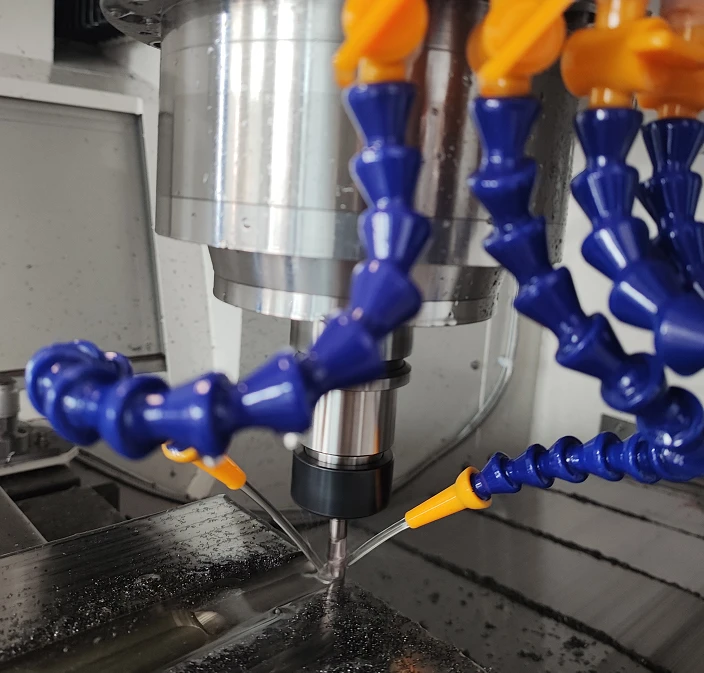
The material composition of gold screw caps typically involves gold alloys rather than pure gold, due to cost considerations and the need to enhance mechanical properties. Common alloying elements include copper, silver, zinc, and palladium. The specific alloy composition (e.g., 14K, 18K, 24K gold alloys) dictates the cap's color, hardness, and corrosion resistance. The manufacturing process begins with the creation of a preform, often through deep drawing or stamping of gold sheet metal. The preform is then subjected to a series of forming operations – typically involving progressive dies – to achieve the desired screw thread profile. Critical parameters during forming include die geometry, lubrication, and forming pressure. Insufficient lubrication can lead to galling and surface defects. Post-forming, the caps undergo annealing to relieve residual stresses induced during deformation, enhancing ductility and preventing stress corrosion cracking. Thread rolling is then employed to create the precise screw threads, ensuring accurate engagement with the container neck. Quality control measures, including dimensional inspection using coordinate measuring machines (CMMs) and microscopic examination, are essential at each stage. Surface finishing, encompassing polishing and electroplating (often with a final layer of gold to enhance corrosion resistance and aesthetics), completes the manufacturing process. The purity and quality of the gold plating significantly impact long-term performance.
Performance & Engineering
The performance of gold screw caps is governed by several key engineering principles. Torque-tension relationships are crucial; the applied torque during cap tightening directly correlates to the clamping force, which ensures a hermetic seal. Finite element analysis (FEA) is frequently utilized to optimize cap geometry and thread design, minimizing stress concentrations and maximizing sealing pressure. Corrosion resistance is paramount, particularly in pharmaceutical applications. Gold’s inherent inertness provides excellent protection against a wide range of chemicals, but the presence of alloying elements (e.g., copper) can introduce susceptibility to corrosion in specific environments. Leak testing, employing methods such as vacuum decay or pressure testing, verifies the integrity of the seal. Environmental resistance encompasses assessing the cap's ability to withstand temperature fluctuations, humidity exposure, and UV radiation. Compliance requirements, such as those stipulated by the United States Pharmacopeia (USP) for container closures, dictate permissible leachables and extractables. Furthermore, the cap’s ability to maintain its sealing properties after repeated opening and closing cycles (fatigue resistance) is a critical performance parameter. The material's yield strength and elongation determine its resistance to deformation and cracking under repeated stress.
Technical Specifications
| Alloy Composition | Tensile Strength (MPa) | Elongation (%) | Hardness (Vickers) |
|---|---|---|---|
| 18K Gold (75% Au, 12.5% Ag, 12.5% Cu) | 210-250 | 15-25 | 150-200 |
| 14K Gold (58.3% Au, Variable Alloy) | 250-300 | 10-20 | 180-250 |
| 24K Gold (99.9% Au) | 80-120 | 30-50 | 40-80 |
| Gold Plating Thickness (μm) | 0.5-2.0 | N/A | N/A |
| Torque to Seal (Nm) | 0.5-3.0 (Dependent on Cap Size) | N/A | N/A |
| Corrosion Rate (mm/year in 3.5% NaCl) | <0.01 | N/A | N/A |
Failure Mode & Maintenance
Gold screw caps, while highly durable, are susceptible to specific failure modes. Stress corrosion cracking, particularly in the presence of chlorides, can initiate at stress concentrators such as thread roots. Galling, resulting from friction between mating surfaces, can occur if lubrication is inadequate or if the cap is overtightened. Delamination of gold plating can occur due to poor adhesion or exposure to harsh chemicals. Hydrogen embrittlement, induced by exposure to hydrogen gas during certain manufacturing processes or service conditions, can reduce ductility and lead to cracking. Fatigue failure can occur after repeated opening and closing cycles, especially if the cap is subjected to excessive torque. Maintenance primarily focuses on preventing these failures. Proper storage in a dry, clean environment is crucial to minimize corrosion. Avoiding excessive torque during cap application is essential to prevent galling and fatigue. Regular visual inspection for signs of corrosion, delamination, or cracking is recommended. In cases of suspected hydrogen embrittlement, heat treatment can be employed to diffuse hydrogen from the metal lattice. For caps exhibiting minor surface damage, polishing can restore their aesthetic appearance and improve corrosion resistance. Avoid abrasive cleaning agents that can scratch the gold surface.
Industry FAQ
Q: What is the primary advantage of using gold screw caps compared to plastic or aluminum closures for pharmaceutical vials?
A: The principal advantage lies in gold’s exceptional chemical inertness. Unlike plastic or aluminum, gold does not readily react with pharmaceutical formulations, minimizing the risk of leachables and extractables contaminating the drug product. This is critical for maintaining drug efficacy and patient safety, especially for sensitive biologics and injectable medications. Furthermore, gold offers superior corrosion resistance, ensuring long-term seal integrity even in aggressive chemical environments.
Q: How does the gold alloy composition affect the mechanical properties of the screw cap?
A: The addition of alloying elements, such as copper and silver, significantly influences the cap’s mechanical properties. Increasing the copper content generally enhances hardness and tensile strength but may reduce corrosion resistance. Silver improves ductility and malleability. The optimal alloy composition is selected based on the specific application requirements, balancing strength, ductility, and corrosion resistance. Higher gold purity (e.g., 24K) offers superior corrosion resistance but lower strength.
Q: What quality control measures are essential during the manufacturing of gold screw caps?
A: Rigorous quality control is paramount. This includes dimensional inspection of the cap’s geometry and thread profile using CMMs, microscopic examination of the surface finish for defects, and leak testing to verify seal integrity. Material composition analysis using X-ray fluorescence (XRF) ensures adherence to specified alloy percentages. Torque testing confirms the cap’s ability to achieve the required clamping force. Furthermore, adhesion testing of the gold plating is crucial to prevent delamination.
Q: What are the common causes of thread galling in gold screw caps, and how can it be prevented?
A: Thread galling is typically caused by friction between the cap and container threads, exacerbated by insufficient lubrication, excessive tightening torque, or surface imperfections. Prevention strategies include proper lubrication during cap application, using controlled torque tightening equipment, ensuring smooth and burr-free thread surfaces, and selecting compatible materials for both the cap and container.
Q: What standards govern the performance and quality of gold screw caps used in pharmaceutical packaging?
A: Several standards apply. USP <665> Packaging and Storage Requirements outlines requirements for container closures, including leak testing and extractables/leachables limits. ISO 8317, Container closures – Rubber stoppers, closures and neck finishes for injectable containers, provides guidelines for dimensional and performance characteristics. Additionally, manufacturers often adhere to internal quality control standards based on Good Manufacturing Practices (GMP) regulations.
Conclusion
Gold screw caps represent a specialized fastening solution tailored for applications demanding exceptional corrosion resistance, chemical inertness, and aesthetic appeal. The selection of appropriate alloy composition, meticulous control of manufacturing parameters, and rigorous quality assurance procedures are crucial to ensure optimal performance and long-term reliability. Understanding the potential failure modes and implementing preventative maintenance strategies further extends the service life of these critical components.
Future advancements in gold screw cap technology are likely to focus on developing novel alloy compositions with enhanced mechanical properties and corrosion resistance, as well as implementing advanced manufacturing techniques such as additive manufacturing to enable greater design flexibility and customization. The growing emphasis on sustainability will also drive the development of more efficient manufacturing processes and the exploration of recycled gold sources. Continued adherence to stringent industry standards will remain paramount to ensure product quality and patient safety.