
Introduction
Large metal hoops for crafts represent a foundational component within the artisanal and DIY market, serving as structural elements for macrame, dream catchers, floral arrangements, and a myriad of decorative applications. These hoops, traditionally manufactured from steel, iron, or aluminum, occupy a critical position in the supply chain connecting raw material providers to craft manufacturers and end-consumers. Their performance is defined by dimensional stability, formability, weld integrity (where applicable), corrosion resistance, and surface finish. A key industry pain point resides in balancing cost-effectiveness with the need for consistent material properties and robust construction, especially concerning long-term durability against environmental factors and repeated handling. The demand for hoops with varying diameters and cross-sectional profiles necessitates adaptable manufacturing processes and strict quality control measures to prevent deformation and ensure structural integrity during diverse crafting applications.
Material Science & Manufacturing
The primary materials used in the production of large metal hoops are low-carbon steel (typically AISI 1008-1018), galvanized steel, aluminum alloys (specifically 6061 and 5052), and wrought iron. Steel offers high tensile strength and weldability, making it suitable for larger diameter hoops requiring substantial structural support. Galvanized steel provides enhanced corrosion resistance, critical for outdoor applications or humid environments. Aluminum alloys provide a lightweight alternative with good corrosion resistance, though generally exhibit lower tensile strength than steel. Wrought iron, while less common, offers a unique aesthetic and good formability.
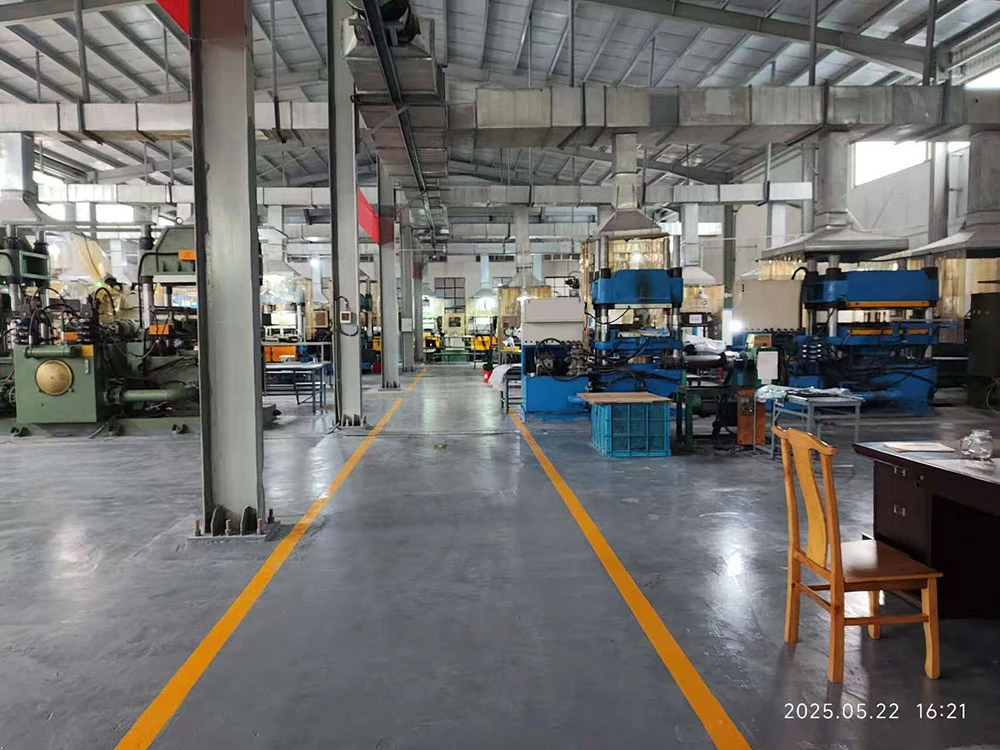
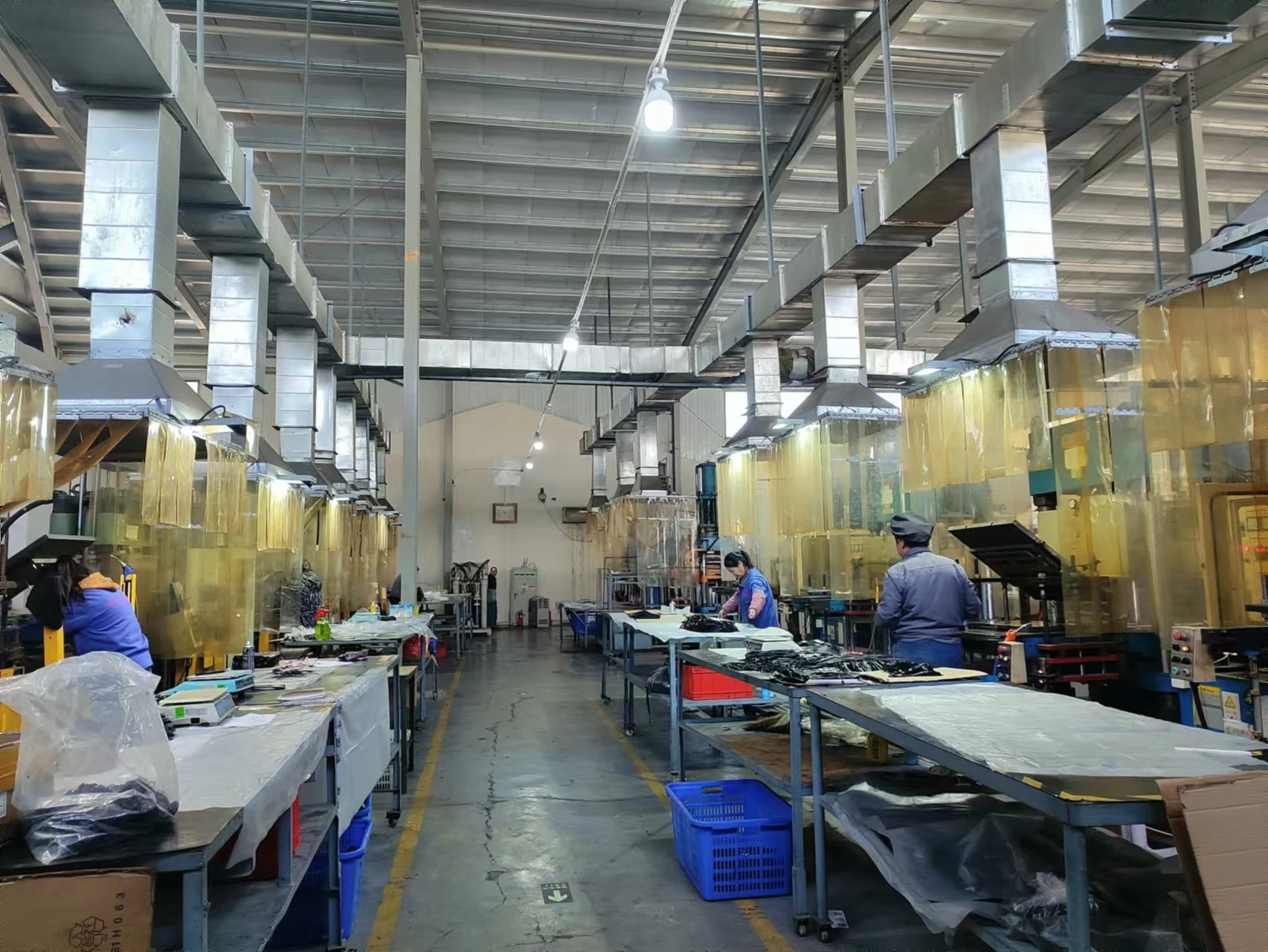
Manufacturing processes typically involve the following stages: material selection, cutting, forming, welding (if necessary for segmented hoops), and surface treatment. Cutting is often performed using automated band saws or laser cutting to achieve precise dimensions. Forming is achieved through bending machines, utilizing dies to create the circular shape. Critical parameters include bend radius, die pressure, and material thickness to prevent cracking or distortion. For segmented hoops, welding – commonly MIG or TIG – joins the sections. Weld penetration, bead geometry, and heat input are carefully controlled to ensure a strong, consistent joint. Post-welding, hoops undergo surface treatment, including polishing to remove sharp edges, electroplating for enhanced corrosion resistance (e.g., zinc plating), or powder coating for aesthetic appeal and additional protection. Quality control involves dimensional checks using calipers and micrometers, visual inspection for weld defects, and bend testing to assess ductility and formability. The annealing process is sometimes applied to steel to increase ductility and facilitate forming.
Performance & Engineering
The structural performance of metal hoops is governed by principles of torsion and bending. When subjected to force during crafting (e.g., tension from macrame cords, weight of floral arrangements), the hoop experiences both tensile and compressive stresses. The material's yield strength and tensile strength are crucial parameters, determining the hoop’s resistance to permanent deformation and fracture. The diameter and cross-sectional geometry (typically circular or oval) influence the hoop's stiffness and resistance to bending. A larger diameter or smaller cross-section generally results in lower stiffness. Environmental resistance is primarily related to corrosion protection. Exposure to humidity, salt spray, or acidic environments can initiate corrosion, compromising the hoop’s structural integrity and aesthetic appearance. Coatings like galvanization, zinc plating, or powder coating significantly improve corrosion resistance. Compliance requirements vary depending on the target market. For products intended for children or food contact applications, compliance with standards such as EN71 (European toy safety standard) or FDA regulations (food-grade materials) is essential. Further, proper grounding and electrical conductivity may be crucial if the hoops are incorporated into electrical art installations.
Technical Specifications
| Diameter (inches) | Material | Wall Thickness (mm) | Yield Strength (MPa) |
|---|---|---|---|
| 12 | Low-Carbon Steel (AISI 1018) | 3.0 | 205 |
| 18 | Galvanized Steel | 3.5 | 220 |
| 24 | Aluminum Alloy 6061 | 2.5 | 276 |
| 36 | Low-Carbon Steel (AISI 1008) | 4.0 | 180 |
| 48 | Galvanized Steel | 4.5 | 240 |
| 60 | Aluminum Alloy 5052 | 3.0 | 230 |
Failure Mode & Maintenance
Common failure modes for metal hoops include fatigue cracking (particularly at weld points or areas of high stress concentration), corrosion-induced degradation, deformation due to overload, and surface coating failure. Fatigue cracking typically occurs under cyclic loading, such as repeated bending or tension. Corrosion manifests as rust formation on steel or pitting on aluminum alloys, weakening the material and affecting its aesthetic appearance. Deformation can result from exceeding the material’s yield strength or from improper handling. Surface coating failure includes chipping, peeling, or blistering, reducing corrosion protection. Maintenance involves regular inspection for signs of corrosion, cracks, or deformation. For steel hoops, applying a protective coating of wax or oil can help prevent rust. Periodically cleaning the hoops with a mild detergent and water removes dirt and debris that can accelerate corrosion. Damaged coatings should be repaired promptly to maintain corrosion protection. Bent or deformed hoops should be straightened (if possible) or replaced. Weld points should be carefully inspected for cracks, and any cracks identified should be addressed through repair welding or replacement. Avoid exposing hoops to harsh chemicals or extreme temperatures.
Industry FAQ
Q: What is the significance of the steel grade used in the hoops?
A: The steel grade dictates the hoop's mechanical properties. Lower carbon steels (like AISI 1008) are more ductile and easier to form, but have lower strength. Higher carbon steels offer greater strength but are less ductile and more prone to cracking during forming. The selection depends on the hoop's intended application and required load-bearing capacity.
Q: How does galvanization impact the longevity of steel hoops used outdoors?
A: Galvanization provides a sacrificial layer of zinc that corrodes preferentially to the underlying steel, significantly extending the hoop's lifespan in outdoor environments. The zinc coating protects against rust and corrosion even if the surface is scratched or damaged. However, the effectiveness diminishes over time, particularly in highly corrosive environments.
Q: What are the key considerations when selecting an aluminum alloy for hoops?
A: Aluminum alloys offer lightweight and corrosion resistance. However, their lower tensile strength compared to steel must be considered. Alloy 6061 provides a good balance of strength, weldability, and corrosion resistance, while Alloy 5052 offers superior corrosion resistance but lower strength. The alloy selection depends on the hoop’s size, load requirements, and environmental exposure.
Q: What types of weld defects should be inspected for in segmented hoops?
A: Common weld defects include porosity (bubbles within the weld), incomplete penetration (weld not fully fused to the base metal), undercut (grooves along the weld edge), and cracks. These defects can significantly weaken the weld joint and lead to premature failure. Visual inspection and non-destructive testing methods like dye penetrant testing can identify these defects.
Q: Is powder coating a viable alternative to galvanization for corrosion protection?
A: Powder coating offers excellent corrosion protection, particularly when applied over a properly pre-treated surface. It provides a durable, aesthetically pleasing finish, and is available in a wide range of colors. However, it may not offer the same level of sacrificial protection as galvanization. Powder coating is best suited for applications where corrosion exposure is moderate and aesthetic appearance is important.
Conclusion
Large metal hoops for crafts, despite their seemingly simple construction, require careful consideration of material science, manufacturing processes, and performance characteristics. The optimal material and fabrication method depend on the specific application requirements, encompassing factors such as load capacity, environmental exposure, and aesthetic preferences. Understanding the potential failure modes and implementing appropriate maintenance procedures are crucial for ensuring long-term durability and reliability.
Future trends in this sector are likely to focus on the utilization of sustainable materials, such as recycled metals, and the development of more efficient and environmentally friendly manufacturing processes. Advancements in coating technologies will continue to enhance corrosion resistance and aesthetic appeal. Moreover, increasing demand for customized hoop sizes and shapes will drive the adoption of more flexible and automated manufacturing techniques, ensuring responsiveness to evolving market needs and the desire for bespoke crafting solutions.