
Introduction
Metal bollard caps represent a critical protective element within infrastructure safeguarding systems. These caps, typically constructed from ductile iron, carbon steel, or stainless steel, are designed to cover and shield the upper portion of bollards—vertical posts used to prevent vehicular access to pedestrian areas or protect sensitive structures. Positioned at the apex of the industry chain, bollard caps are a secondary component dependent on the primary bollard structure's manufacturing and installation. Their core performance characteristics center around impact resistance, corrosion protection, aesthetic integration, and pedestrian safety. A primary industry pain point revolves around selecting appropriate cap material and coating to withstand specific environmental conditions and potential impact loads, ensuring long-term functionality and minimizing maintenance requirements. The increasing demand for visually appealing yet robust security solutions necessitates a detailed understanding of bollard cap design, materials, and performance.
Material Science & Manufacturing
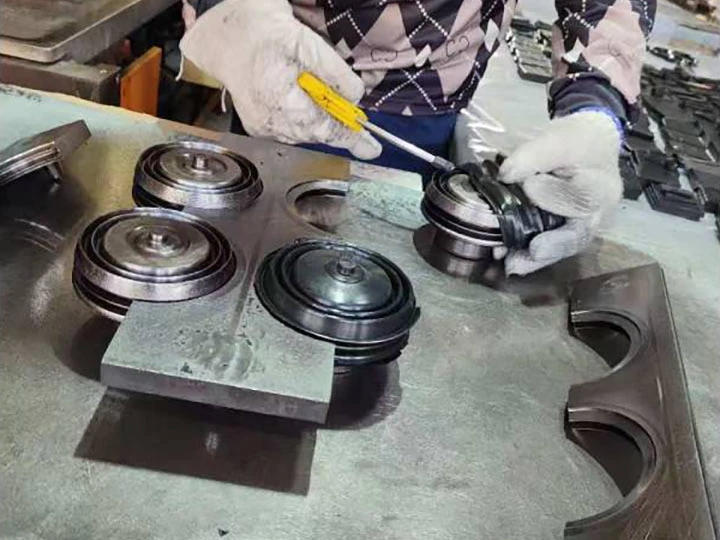
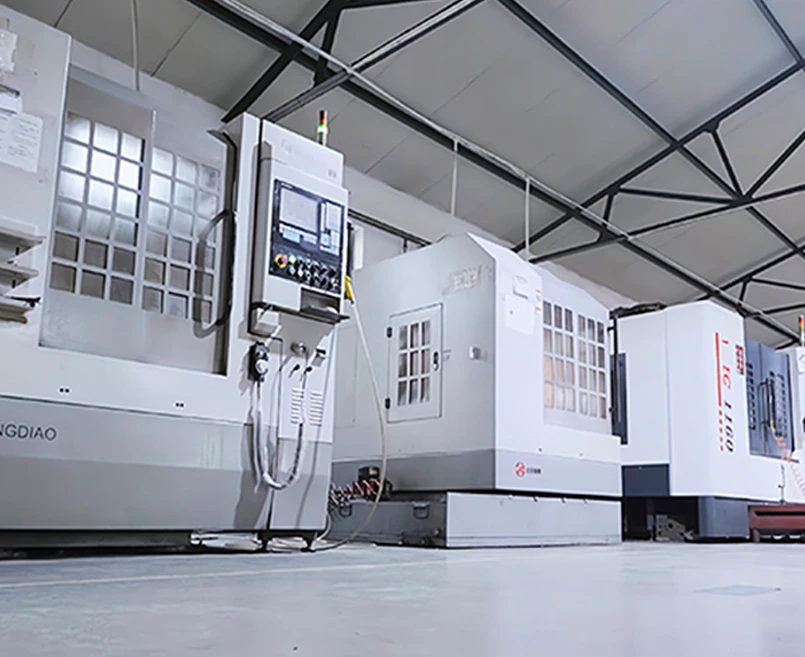
Bollard caps are commonly manufactured from ductile iron (65-70%), carbon steel (20-25%), and stainless steel (5-10%), dictated by cost, strength requirements, and environmental exposure. Ductile iron, possessing high tensile strength and ductility, minimizes brittle fracture upon impact. Carbon steel offers a cost-effective solution for lower-impact applications, requiring robust corrosion protection. Stainless steel, specifically grades 304 and 316, provides superior corrosion resistance, critical in marine or chemically aggressive environments. Manufacturing processes vary based on material. Ductile iron caps are typically produced via sand casting, followed by machining for precise dimensions. Carbon steel caps utilize forging or steel casting, also followed by machining. Stainless steel caps leverage investment casting or machining from solid stock. Key parameter control during manufacturing focuses on wall thickness consistency (critical for impact resistance), surface finish (influencing corrosion resistance and aesthetic appeal), and dimensional accuracy (ensuring a secure fit onto the bollard). Surface treatments, including hot-dip galvanizing, powder coating (epoxy or polyurethane), and painting, are crucial for enhancing corrosion protection and extending service life. The selection of coating type must consider chemical compatibility with the base material and anticipated environmental stressors, such as UV exposure and salt spray.
Performance & Engineering
The performance of a bollard cap is primarily evaluated based on its ability to withstand impact loads and resist environmental degradation. Force analysis involves calculating the impact energy absorbed by the cap during a collision, considering factors such as vehicle speed, mass, and impact angle. Finite Element Analysis (FEA) is routinely employed to simulate impact scenarios and optimize cap geometry for maximum energy absorption and minimal deformation. Environmental resistance encompasses corrosion protection, UV stability, and temperature tolerance. Bollard caps are subjected to salt spray testing (ASTM B117) to assess their corrosion resistance, accelerated weathering tests (ASTM G154) to evaluate UV degradation, and thermal cycling tests to determine their performance across a range of temperatures. Compliance requirements vary depending on the application and geographic location. In high-security environments, bollard caps may need to meet standards set by organizations like the Department of Defense (DoD) or local building codes regarding impact resistance and pedestrian safety. The functional implementation requires precise fitment to the bollard to prevent loosening or displacement during impact. Threaded connections, welding, or adhesive bonding are commonly used, each requiring appropriate design and quality control to ensure structural integrity.
Technical Specifications
| Material | Tensile Strength (MPa) | Yield Strength (MPa) | Corrosion Resistance (Salt Spray Hours) |
|---|---|---|---|
| Ductile Iron (Grade 65-45-12) | 400-550 | 250-350 | 720 (Galvanized) / 1000 (Powder Coated) |
| Carbon Steel (A36) | 400-550 | 250 | 240 (Galvanized) / 500 (Powder Coated) |
| Stainless Steel (304) | 500-700 | 205 | 1680 |
| Stainless Steel (316) | 550-800 | 240 | 3360 |
| Wall Thickness (Typical) | 6mm - 12mm | N/A | N/A |
| Coating Type | Hot-Dip Galvanizing | Epoxy Powder Coating | Polyurethane Powder Coating |
Failure Mode & Maintenance
Common failure modes for metal bollard caps include corrosion, impact cracking, fatigue failure (due to repeated impacts), and coating degradation. Corrosion, particularly in chloride-rich environments, leads to material loss and reduced structural integrity. Impact cracking occurs when the impact force exceeds the cap's material strength. Fatigue failure manifests as cracks that initiate and propagate over time with cyclic loading. Coating degradation results from UV exposure, abrasion, and chemical attack, compromising corrosion protection. Failure analysis often reveals that corrosion initiated at imperfections in the coating or at areas where the coating was damaged. Impact failures typically originate at the point of contact. Preventative maintenance involves regular inspection for signs of corrosion, coating damage, and structural cracks. Annual cleaning and re-coating (as needed) are recommended. For heavily impacted caps, consider replacement. Welding repairs should be performed only by qualified personnel, ensuring proper weld quality and material compatibility. When replacing caps, ensure the new cap is fully compatible with the existing bollard and adheres to relevant safety standards.
Industry FAQ
Q: What is the primary difference between ductile iron and carbon steel bollard caps in terms of impact resistance?
A: Ductile iron exhibits superior ductility compared to carbon steel. This means it can deform more significantly under stress before fracturing, absorbing more impact energy. While both materials can withstand impacts, ductile iron is less prone to brittle failure, making it the preferred choice for high-security applications or areas with a higher risk of severe impact.
Q: How does powder coating compare to hot-dip galvanizing in terms of long-term corrosion protection?
A: Hot-dip galvanizing provides a sacrificial layer of zinc that corrodes preferentially, protecting the underlying steel. It offers robust corrosion resistance, especially in harsh environments. Powder coating provides a barrier layer but relies on the coating's integrity. While modern powder coatings (epoxy or polyurethane) offer excellent resistance, they are susceptible to damage from abrasion or impact, exposing the underlying metal. A duplex system—galvanizing followed by powder coating—provides the highest level of corrosion protection.
Q: What is the typical lifespan of a stainless steel bollard cap in a coastal environment?
A: Stainless steel (316 grade) bollard caps, when properly maintained, can have a lifespan exceeding 25 years in a coastal environment. However, localized pitting corrosion can occur due to chloride exposure. Regular cleaning to remove salt deposits and periodic inspection for signs of corrosion are crucial for maximizing lifespan.
Q: Are there specific testing standards for bollard cap impact resistance?
A: Yes, various standards exist. ASTM F2610 is a common standard for evaluating the crashworthiness of bollard systems. DoD standards may be applicable in certain government facilities. Local building codes may also specify impact resistance requirements. These tests typically involve impacting the bollard system with a vehicle traveling at a specified speed.
Q: What should be considered when selecting a bollard cap for aesthetic purposes?
A: Aesthetic considerations include the cap's shape, finish, and color. Powder coating allows for a wide range of colors and finishes to blend with the surrounding environment. The cap’s profile (domed, flat, angled) should complement the overall design of the bollard and the surrounding landscape. Consider the visibility of the cap, especially in areas with pedestrian traffic.
Conclusion
Metal bollard caps are essential components of protective infrastructure, offering a critical layer of security and aesthetic integration. The selection process necessitates careful consideration of material properties, manufacturing processes, performance characteristics, and potential failure modes. Ductile iron and stainless steel represent the preferred materials for high-demand applications due to their superior strength and corrosion resistance, while carbon steel offers a cost-effective alternative for less demanding scenarios.
Maintaining bollard cap integrity through regular inspection, preventative maintenance, and appropriate coating systems is paramount to ensuring long-term performance and minimizing lifecycle costs. Adherence to relevant industry standards (ASTM, ISO) and a comprehensive understanding of potential environmental stressors are crucial for selecting and implementing the optimal bollard cap solution for a given application. Future development will likely focus on advanced materials, improved coating technologies, and enhanced impact energy absorption designs.