
Introduction
Metal pipe end caps are critical components in piping systems across numerous industries, including oil and gas, chemical processing, water treatment, and construction. These components provide a sealed termination point for pipelines, preventing leakage, maintaining system pressure, and protecting the pipe’s internal surface from contamination. Functionally, they represent a vital interface element, often subject to significant stress from internal pressure, external loads, and environmental factors. Their selection and installation are therefore dictated by stringent engineering requirements and adherence to industry-specific codes and standards. The core performance characteristics—pressure retention, corrosion resistance, and material compatibility—are paramount concerns for procurement and engineering teams. This guide provides a comprehensive technical overview of metal pipe end caps, encompassing material science, manufacturing processes, performance parameters, failure modes, and relevant industry standards.
Material Science & Manufacturing
The materials commonly used in the manufacture of metal pipe end caps are dictated by the service conditions and fluid conveyed within the piping system. Carbon steel (ASTM A53 Grade B, API 5L) is frequently employed for general-purpose applications due to its cost-effectiveness and weldability. However, for corrosive environments, stainless steels (304/304L, 316/316L – ASTM A240) are preferred, providing superior resistance to oxidation and chemical attack. Alloy steels (e.g., chrome-moly steels – ASTM A335) are utilized in high-temperature, high-pressure applications. Titanium and nickel alloys offer exceptional corrosion resistance but are typically reserved for highly specialized and demanding applications due to their higher cost.
Manufacturing processes vary depending on the cap’s size, material, and quantity. Common methods include:
- Forging: Used for larger diameter, high-pressure caps. Forging aligns the grain structure, enhancing mechanical strength and resistance to fatigue. Parameters such as forging temperature, reduction ratio, and cooling rate are critical for controlling the final microstructure.
- Welding: Caps can be fabricated by welding together multiple pieces of metal. Shielded Metal Arc Welding (SMAW), Gas Metal Arc Welding (GMAW), and Submerged Arc Welding (SAW) are commonly used. Welding procedures must be carefully controlled to minimize residual stresses and ensure complete penetration and fusion. Post-weld heat treatment (PWHT) is often required to relieve stresses and improve toughness.
- Cold Forming: Suitable for smaller diameter caps and high-volume production. This process involves pressing or stamping the cap from a flat sheet of metal. Material ductility and lubrication are critical parameters.
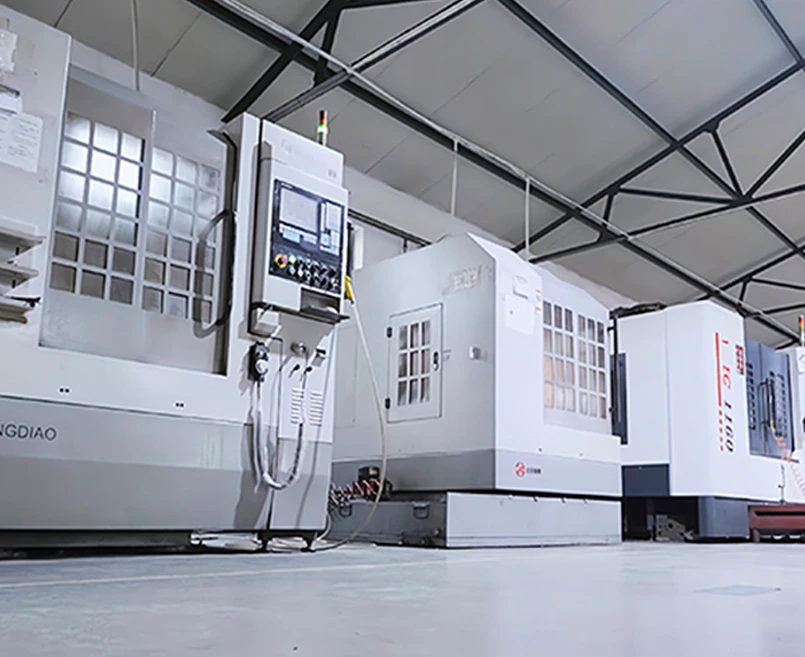
- Machining: Used for precise finishing and achieving tight tolerances. CNC machining is prevalent, ensuring accuracy and repeatability.
Material traceability and adherence to material specifications are fundamental throughout the manufacturing process. Non-destructive testing (NDT) methods, such as radiographic testing (RT), ultrasonic testing (UT), and liquid penetrant testing (PT), are employed to detect defects and ensure the integrity of the cap.
Performance & Engineering
The primary engineering consideration for metal pipe end caps is their ability to withstand internal pressure and external loads without failure. Force analysis typically involves calculating hoop stress (σh = PD/2t, where P = pressure, D = diameter, and t = wall thickness) and longitudinal stress. These stresses must be within the allowable stress limits for the material, as defined by relevant codes and standards.
Environmental resistance is another crucial factor. Corrosion can significantly reduce the cap's structural integrity. The choice of material and any applied protective coatings (e.g., epoxy, polyurethane) must be based on the specific corrosive environment. Galvanic corrosion, which occurs when dissimilar metals are in contact, must also be considered.
Compliance requirements vary depending on the industry. For example, in the oil and gas industry, caps must comply with ASME B16.42 (Ductile Iron Pipe Fittings) or MSS SP-79 (Socket Welding End Preparation). In the pharmaceutical industry, caps must meet stringent hygiene standards and be manufactured from materials that are compatible with the process fluids.
Furthermore, the cap's sealing performance is critical. The cap is typically joined to the pipe via welding, threading, or compression fittings. The joint must be designed to prevent leakage and maintain a reliable seal under operating conditions. Proper weld preparation, welding technique, and post-weld inspection are essential for ensuring a leak-tight weld.
Technical Specifications
| Parameter | Carbon Steel (A53 Grade B) | Stainless Steel 304/304L | Stainless Steel 316/316L | Alloy Steel (A335 P11) |
|---|---|---|---|---|
| Tensile Strength (MPa) | 400-550 | 517-724 | 517-724 | 414-552 |
| Yield Strength (MPa) | 250-345 | 205-276 | 205-276 | 276-345 |
| Elongation (%) | 20-30 | 30-50 | 30-50 | 18-25 |
| Hardness (Brinell) | 140-200 | 180-230 | 180-230 | 190-250 |
| Corrosion Rate (mm/year in NaCl solution) | 0.1-1.0 | <0.01 | <0.01 | 0.05-0.5 |
| Maximum Operating Temperature (°C) | 200 | 400 | 400 | 425 |
Failure Mode & Maintenance
Metal pipe end caps are susceptible to several failure modes. Fatigue cracking can occur due to cyclic loading, particularly in systems with pressure fluctuations. This often initiates at weld defects or stress concentration points. Corrosion, as previously discussed, weakens the material and can lead to pitting, crevice corrosion, or general corrosion. Erosion corrosion can occur in systems with high fluid velocities and abrasive particles. Stress corrosion cracking (SCC) is a concern in specific environments where tensile stress and corrosive agents are present. Galling can occur on threaded connections, particularly with improper lubrication or over-tightening. Creep, while less common, can be a factor at elevated temperatures.
Regular inspection and maintenance are essential for preventing failures. Visual inspections should be conducted to check for signs of corrosion, cracks, or deformation. NDT methods, such as UT and PT, can be used to detect subsurface defects. Proper lubrication of threaded connections is crucial. Periodic pressure testing can verify the integrity of the cap and its connection to the pipe. In cases of significant corrosion, the cap should be replaced. For welded caps, periodic weld inspections and repairs may be necessary.
Effective preventative maintenance programs should include documentation of inspection results, repair activities, and material certifications. Maintaining a detailed history can help identify potential problems and optimize maintenance schedules.
Industry FAQ
Q: What is the impact of wall thickness on the pressure rating of a pipe end cap?
A: Wall thickness is inversely proportional to hoop stress, meaning a thicker wall can withstand higher pressure. Increasing the wall thickness linearly increases the pressure rating, but there are diminishing returns. Beyond a certain point, the cost increase outweighs the benefit in pressure capacity. Calculations must adhere to the relevant pressure vessel codes (e.g., ASME Section VIII, Division 1).
Q: What are the key considerations when selecting a material for a pipe end cap in a seawater environment?
A: Seawater is highly corrosive due to its chloride content. Stainless steel alloys, particularly 316/316L or duplex stainless steels, are preferred. Titanium offers exceptional resistance but is expensive. The surface finish also plays a role; a smoother finish reduces the risk of pitting corrosion. Protective coatings can provide an additional layer of protection.
Q: What NDT methods are typically used to inspect welded pipe end caps?
A: Radiographic testing (RT) is commonly used to detect volumetric defects (e.g., porosity, inclusions) within the weld. Ultrasonic testing (UT) is another effective method for detecting subsurface flaws. Liquid penetrant testing (PT) can identify surface cracks. Magnetic particle testing (MT) is used for ferromagnetic materials.
Q: What are the common causes of leakage at the threaded connection of a pipe end cap?
A: Improper sealing compound application, damaged threads, over-tightening or under-tightening, and corrosion of the threads are common causes. Using a thread sealant compatible with the process fluid is critical. Inspecting and cleaning the threads before assembly is also important. Proper torque control is essential.
Q: How does heat treatment affect the mechanical properties of a forged pipe end cap?
A: Heat treatment, such as normalizing or tempering, can significantly improve the cap’s ductility, toughness, and resistance to stress corrosion cracking. It refines the grain structure and relieves residual stresses introduced during forging. The specific heat treatment process depends on the material and the desired mechanical properties.
Conclusion
Metal pipe end caps are indispensable components in numerous industrial applications, demanding meticulous attention to material selection, manufacturing processes, and performance characteristics. The integrity of these components directly impacts the safety, reliability, and efficiency of piping systems. Understanding the fundamental principles of material science, force analysis, and corrosion prevention is crucial for ensuring long-term performance and minimizing the risk of failure.
The selection process must be driven by a thorough assessment of operating conditions, fluid compatibility, and regulatory requirements. Proactive maintenance programs, including regular inspections and adherence to industry standards, are essential for mitigating failure risks and maximizing the lifespan of these critical components. As materials technology continues to advance, exploring innovative alloys and protective coatings will further enhance the performance and durability of metal pipe end caps in increasingly challenging environments.