
Introduction
Metal railing end caps are essential components in railing systems, providing a protective and aesthetic finish to exposed tube or pipe ends. Functionally, they prevent sharp edges from causing injury, mitigate environmental ingress into the railing structure, and contribute to the overall longevity of the system. Positioned at the terminal points of railing sections, they bridge the gap between structural support and visual appeal. The performance of end caps directly impacts railing system durability and safety, influencing corrosion resistance, structural integrity, and compliance with building codes. Common materials include stainless steel (grades 304 and 316), aluminum, galvanized steel, and, less frequently, plastics designed for exterior use. Selection criteria are driven by the operating environment, load requirements, and desired aesthetic qualities, with corrosion resistance being a primary consideration in both interior and exterior applications.
Material Science & Manufacturing
The predominant materials used in metal railing end cap manufacturing—stainless steel, aluminum, and galvanized steel—each possess distinct physical and chemical properties dictating their suitability for specific applications. Stainless steel, particularly grades 304 (18-8) and 316 (containing molybdenum for enhanced corrosion resistance), offers superior strength, ductility, and resistance to oxidation. Aluminum alloys (typically 6061 or 5052) provide a high strength-to-weight ratio and excellent corrosion resistance, especially when anodized. Galvanized steel offers a cost-effective solution, providing a sacrificial zinc coating that protects the underlying steel from corrosion.
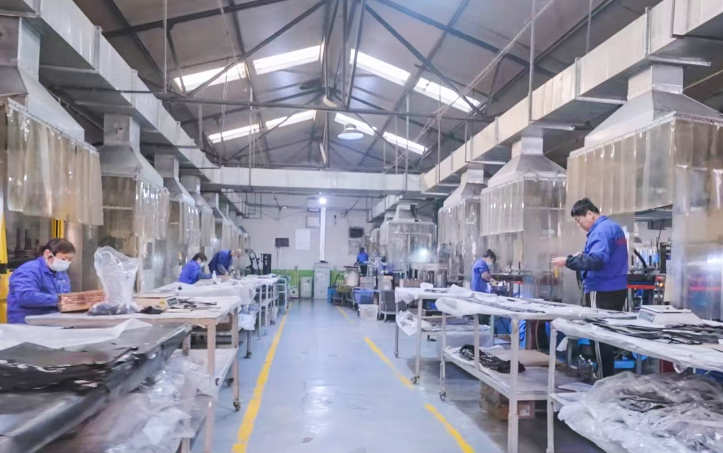
Manufacturing processes vary depending on the material and design complexity. Stainless steel and aluminum end caps are frequently produced via deep drawing, a sheet metal forming process that uses a punch to draw sheet metal into a desired shape. This requires careful control of drawing speed, lubrication, and die geometry to prevent tearing or wrinkling. Alternatively, investment casting can be employed for more intricate designs. Galvanized steel end caps are often formed from stamped steel components, followed by hot-dip galvanization. This process involves immersing the steel in molten zinc, creating a metallurgical bond that provides corrosion protection. Parameter control during galvanization, including zinc bath temperature and immersion time, is critical to ensure uniform coating thickness and adherence. Post-processing may include deburring, polishing, or powder coating for enhanced aesthetics and corrosion resistance. Weld quality, if welds are present, must be rigorously inspected for porosity and structural integrity. Surface preparation prior to any coating application is paramount; oil, grease, and mill scale must be removed to ensure adequate adhesion.
Performance & Engineering
The performance of metal railing end caps is governed by several engineering principles, primarily focusing on load bearing capacity, corrosion resistance, and environmental durability. Force analysis considers both static and dynamic loads, including vertical loads from hand pressure, impact loads from accidental contact, and wind loads, particularly in exterior applications. The end cap must effectively transfer these loads to the underlying railing structure without deformation or failure. Finite element analysis (FEA) is commonly employed to simulate stress distributions and optimize end cap geometry for maximum strength and stiffness. Corrosion resistance is crucial, especially in marine or industrial environments. Electrochemical corrosion, driven by differences in electrical potential between dissimilar metals, is a significant concern. Careful material selection, avoiding galvanic couples, and the application of protective coatings are essential mitigation strategies.
Compliance requirements are dictated by building codes and safety standards. In the US, railing systems must comply with the International Building Code (IBC), which specifies minimum load requirements and handrail graspability criteria. Similarly, European standards (EN 13501-1) address fire resistance and structural performance. Environmental resistance considerations include UV exposure, temperature fluctuations, and exposure to corrosive substances such as salt spray or industrial chemicals. UV degradation can embrittle plastic end caps, while temperature extremes can induce thermal stress and expansion/contraction. The selection of appropriate materials and coatings is critical to ensure long-term performance in harsh environments. Furthermore, impact resistance is vital to prevent injuries and maintain structural integrity. Testing standards such as ASTM E1886 are used to assess impact resistance.
Technical Specifications
| Material | Diameter Range (mm) | Wall Thickness (mm) | Corrosion Resistance (Salt Spray Hours) | Tensile Strength (MPa) | Typical Applications |
|---|---|---|---|---|---|
| Stainless Steel 304 | 19-50 | 1.5-3.0 | 720+ | 500-700 | Interior Railings, Low-Corrosion Exterior |
| Stainless Steel 316 | 19-50 | 1.5-3.0 | 1500+ | 550-750 | Marine Railings, High-Corrosion Environments |
| Aluminum 6061-T6 | 19-50 | 1.2-2.5 | 480+ (Anodized) | 275-350 | Architectural Railings, Lightweight Applications |
| Galvanized Steel (ASTM A123) | 19-50 | 1.0-2.0 | 240+ | 400-550 | Industrial Railings, Cost-Sensitive Projects |
| PVC (Polyvinyl Chloride) | 19-50 | 2.0-4.0 | N/A | 40-60 | Low-Load Interior Railings, Protective Caps |
| ABS (Acrylonitrile Butadiene Styrene) | 19-50 | 2.5-4.5 | N/A | 30-50 | Indoor Applications, Decorative Caps |
Failure Mode & Maintenance
Metal railing end caps are susceptible to several failure modes depending on the material, environment, and applied loads. Corrosion is a primary concern, particularly for galvanized steel and lower-grade stainless steel in chloride-rich environments. Crevice corrosion can occur where the end cap interfaces with the railing tube, trapping moisture and accelerating corrosion. Fatigue cracking can develop under cyclic loading, especially at weld points or areas of stress concentration. Delamination is a failure mode specific to coated end caps, where the coating separates from the substrate due to poor adhesion or environmental degradation. Oxidation can also affect aluminum end caps, leading to surface discoloration and reduced corrosion resistance. For plastic end caps, UV degradation can cause embrittlement and cracking.
Maintenance strategies include regular inspection for signs of corrosion, cracking, or coating damage. Corroded surfaces should be cleaned and repainted with a compatible coating. Cracked end caps should be replaced immediately to prevent further structural compromise. For stainless steel end caps, passivation treatments can restore corrosion resistance. Aluminum end caps should be periodically cleaned and re-anodized if necessary. Plastic end caps should be protected from prolonged UV exposure. Lubrication of the end cap interface can prevent crevice corrosion. Proper installation, ensuring a tight fit and avoiding galvanic corrosion, is crucial for maximizing end cap lifespan. Preventative maintenance schedules should be implemented based on the operating environment and load conditions.
Industry FAQ
Q: What is the key difference between 304 and 316 stainless steel for railing end caps, and when would I choose one over the other?
A: The primary difference lies in the molybdenum content of 316 stainless steel. Molybdenum significantly enhances resistance to chloride corrosion, making 316 ideal for marine environments, coastal areas, or industrial facilities with exposure to de-icing salts. 304 stainless steel offers excellent corrosion resistance in general applications but is susceptible to pitting and crevice corrosion in chloride-rich environments. 304 is a more cost-effective choice for interior railings or exterior applications with minimal salt exposure.
Q: How do I prevent galvanic corrosion when using aluminum end caps on a steel railing?
A: Galvanic corrosion occurs when dissimilar metals are in contact in the presence of an electrolyte. To prevent this, use insulating materials such as plastic washers or sleeves to separate the aluminum end cap from the steel railing. Alternatively, apply a protective coating to both metals to create a barrier. Anodizing the aluminum further enhances its corrosion resistance and minimizes the potential for galvanic corrosion.
Q: What is the typical lifespan of a galvanized steel end cap in a moderate outdoor environment?
A: The lifespan of a galvanized steel end cap in a moderate outdoor environment typically ranges from 10 to 20 years, depending on the zinc coating thickness, environmental conditions, and maintenance practices. Periodic inspection and re-coating of damaged areas can extend its lifespan. However, in harsher environments, such as coastal regions with high salt spray, the lifespan may be significantly reduced.
Q: What testing standards should I look for to ensure the quality and durability of metal railing end caps?
A: Relevant testing standards include ASTM B117 for salt spray corrosion resistance, ASTM E1886 for impact resistance, and ASTM A1064 for the corrosion resistance of stainless steels. For coatings, look for standards like ASTM D475 for zinc coating thickness and ASTM D610 for corrosion resistance of non-metallic coatings. Material certifications verifying compliance with relevant ASTM standards for the base metals are also crucial.
Q: Can plastic end caps be used outdoors, and what are their limitations?
A: Yes, certain plastics like UV-stabilized PVC and ABS can be used outdoors, but they have limitations. They are less structurally robust than metal end caps and are susceptible to UV degradation, which can cause embrittlement and cracking over time. They are best suited for low-load applications where aesthetic appearance is more important than structural strength. Regular inspection and replacement are recommended for outdoor plastic end caps.
Conclusion
Metal railing end caps are critical components ensuring the safety, durability, and aesthetic integrity of railing systems. Careful material selection, based on the operating environment and load requirements, is paramount. Stainless steel offers superior corrosion resistance and strength, while aluminum provides a lightweight alternative. Galvanized steel presents a cost-effective option, but requires regular maintenance. Understanding the potential failure modes – corrosion, fatigue cracking, and UV degradation – is essential for implementing effective preventative maintenance strategies.
The industry trend towards more sustainable materials and advanced coating technologies continues to drive innovation in end cap design. Future developments may include self-healing coatings and the incorporation of sensors for real-time corrosion monitoring. Adherence to relevant industry standards (ASTM, ISO) and rigorous quality control procedures are vital for ensuring the long-term performance and safety of metal railing end cap installations.