
Introduction
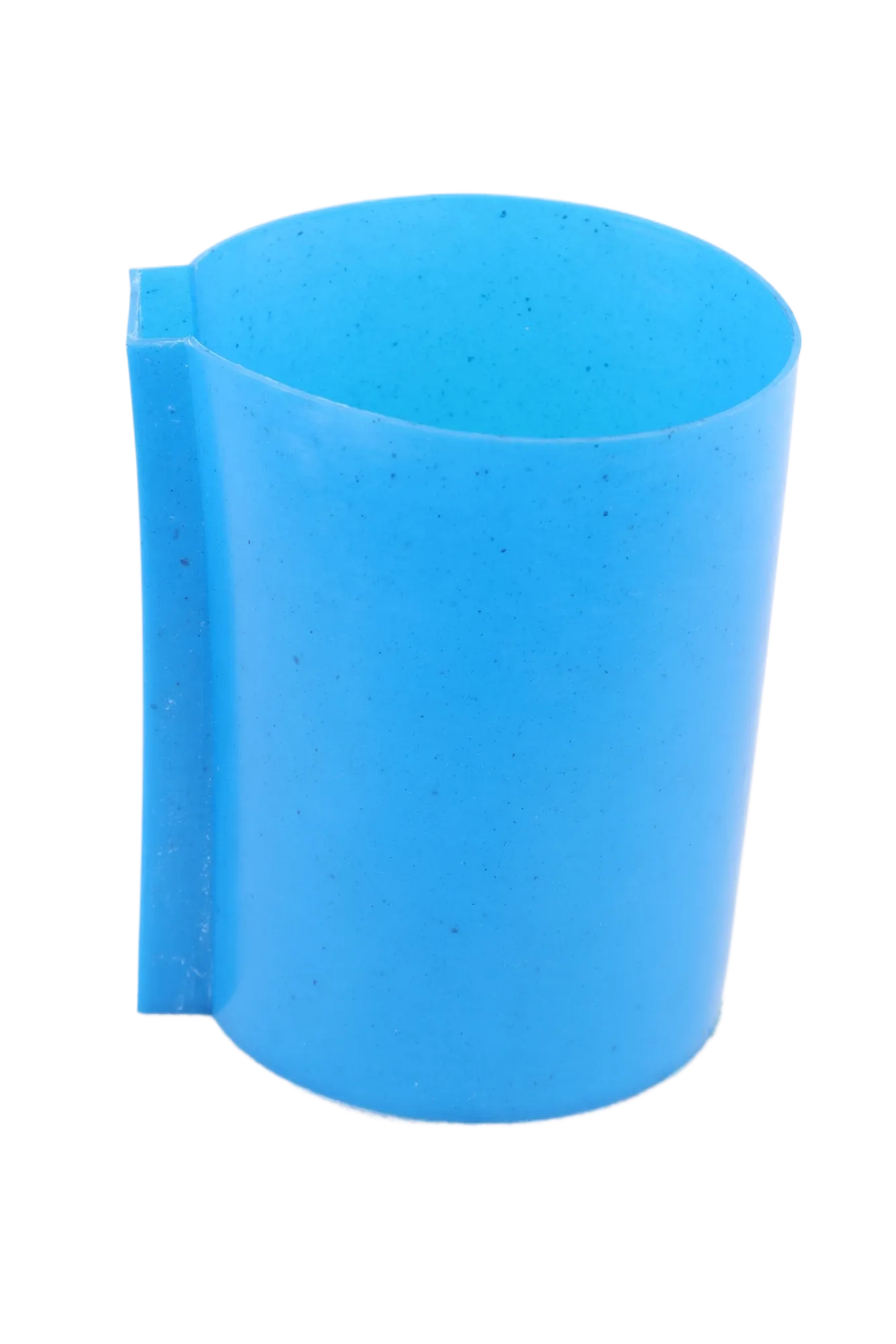
Metal sleeve washers are fundamental mechanical components utilized across a vast spectrum of industrial applications. Functioning as spacers, wear pads, and load distributors, these washers play a critical role in ensuring the smooth operation and longevity of assembled machinery. They are characterized by a hollow cylindrical form designed to be inserted over a bolt or screw, providing a bearing surface between the fastener head or nut and the assembled material. Their technical position in the industrial chain lies between raw material suppliers (steel, brass, aluminum, polymers) and the final assembly manufacturers across automotive, aerospace, construction, and general manufacturing sectors. Core performance characteristics are defined by their dimensional accuracy, material hardness, load capacity, and resistance to environmental degradation. Industry pain points center around ensuring consistent material quality, preventing premature wear and galling, and achieving precise dimensional tolerances to optimize assembly performance and minimize potential failure points.
Material Science & Manufacturing
The selection of material for a metal sleeve washer is dictated by the operational environment and required performance characteristics. Common materials include carbon steel (1018, 1045), alloy steel (4140, 8640), stainless steel (304, 316), brass (C36000), and aluminum (6061-T6). Carbon steel offers high strength and cost-effectiveness, but is susceptible to corrosion. Alloy steels provide enhanced strength and toughness, suitable for high-stress applications. Stainless steel delivers superior corrosion resistance, ideal for outdoor or corrosive environments. Brass offers good machinability and moderate corrosion resistance, often used in low-load applications. Aluminum provides lightweight characteristics and good corrosion resistance, suited for non-structural applications.
Manufacturing processes typically involve either cold heading or machining from bar stock. Cold heading is a high-volume, cost-effective process where a wire is formed into the desired shape under high pressure. This process work-hardens the material, increasing its strength and hardness. Key parameters controlled during cold heading include heading speed, die geometry, and lubrication. Machining from bar stock offers greater flexibility in terms of material selection and dimensional tolerances, but is generally more expensive and time-consuming. Machining involves turning, drilling, and potentially milling operations. Critical parameters include cutting speed, feed rate, coolant type, and tool geometry. Post-processing operations often include deburring, surface finishing (e.g., zinc plating, nickel plating), and heat treatment (e.g., hardening, tempering) to achieve the desired mechanical properties and corrosion resistance. Surface roughness is a crucial parameter affecting friction and wear characteristics. Quality control measures include dimensional inspection using calipers, micrometers, and coordinate measuring machines (CMMs), as well as material analysis using techniques such as hardness testing and chemical composition analysis.
Performance & Engineering
The performance of a metal sleeve washer is heavily influenced by its load-bearing capacity, frictional characteristics, and resistance to environmental factors. Force analysis involves calculating the compressive stress experienced by the washer under applied load. This stress must remain below the material's yield strength to prevent permanent deformation. The washer's inner diameter must be precisely matched to the bolt or screw diameter to ensure proper fit and prevent loosening. The outer diameter and thickness influence the washer's ability to distribute the load over a wider area, reducing stress concentration on the underlying material.
Environmental resistance is a critical consideration, especially in harsh environments. Corrosion resistance is paramount in preventing material degradation and maintaining structural integrity. Temperature variations can affect the material's mechanical properties, potentially leading to expansion, contraction, or loss of strength. Exposure to chemicals or UV radiation can also degrade the material. Compliance requirements often dictate specific material selections and performance standards based on the application. For example, aerospace applications require materials that meet stringent strength, fatigue, and temperature resistance requirements. Automotive applications often require materials that meet specific corrosion resistance and durability standards. Functional implementation details include considerations for lubrication to reduce friction and wear, and the use of coatings to enhance corrosion resistance or modify surface properties.
Technical Specifications
| Material | Inner Diameter (mm) | Outer Diameter (mm) | Thickness (mm) |
|---|---|---|---|
| Carbon Steel (1018) | 6 | 12 | 1.5 |
| Stainless Steel (304) | 8 | 16 | 2.0 |
| Brass (C36000) | 10 | 20 | 2.5 |
| Aluminum (6061-T6) | 12 | 24 | 3.0 |
| Alloy Steel (4140) | 4 | 10 | 1.0 |
| Stainless Steel (316) | 15 | 30 | 3.5 |
Failure Mode & Maintenance
Common failure modes for metal sleeve washers include fatigue cracking, yielding, wear, corrosion, and galling. Fatigue cracking occurs under cyclic loading, initiating at stress concentrations (e.g., edges, imperfections) and propagating until failure. Yielding results from exceeding the material's yield strength, leading to permanent deformation. Wear occurs due to friction between the washer and the contacting surfaces, gradually removing material. Corrosion weakens the material, reducing its load-bearing capacity. Galling is a severe form of adhesive wear that occurs when dissimilar metals are subjected to high pressure and friction, resulting in surface damage and seizure.
Maintenance strategies include periodic inspection for signs of wear, corrosion, or damage. Lubrication can significantly reduce friction and wear, extending the washer's service life. The use of compatible materials can prevent galling. Protective coatings (e.g., zinc plating, nickel plating) can enhance corrosion resistance. Regular tightening of fasteners ensures proper clamping force and prevents loosening. Replacement of worn or damaged washers is crucial to maintain the integrity of the assembly. For critical applications, non-destructive testing (NDT) methods such as ultrasonic testing or magnetic particle inspection can detect subsurface cracks or defects before they lead to failure. Proper storage in a dry environment protects against corrosion during extended periods of non-use.
Industry FAQ
Q: What material is best suited for a sleeve washer in a high-temperature, corrosive environment?
A: For high-temperature corrosive environments, stainless steel 316 is generally the most suitable material. It offers excellent corrosion resistance due to its molybdenum content, and maintains strength at elevated temperatures better than carbon steel or aluminum. However, specific chemical exposure needs to be evaluated for optimal material selection, and in some cases, more exotic alloys like Hastelloy may be required.
Q: What is the impact of surface finish on the performance of a sleeve washer?
A: Surface finish significantly impacts performance. A smoother surface finish reduces friction, minimizes wear, and lowers the risk of galling. Rougher surfaces can increase friction, accelerate wear, and create stress concentrations that initiate fatigue cracks. The required surface finish depends on the application; highly polished surfaces are typically used in precision applications where minimal friction is critical.
Q: How does the hardness of the sleeve washer affect its ability to withstand wear?
A: Higher hardness generally correlates with improved wear resistance. Harder materials resist abrasive wear better and can withstand greater loads without deformation. However, excessive hardness can also lead to brittleness and increased susceptibility to cracking. A balance between hardness and toughness is essential for optimal wear performance.
Q: What dimensional tolerances are typically specified for metal sleeve washers?
A: Typical dimensional tolerances for sleeve washers depend on the application and manufacturing process. Inner diameter tolerances are usually ±0.025mm to ±0.1mm, outer diameter tolerances are ±0.1mm to ±0.2mm, and thickness tolerances are ±0.05mm to ±0.1mm. Tighter tolerances are available for precision applications, but come at a higher cost.
Q: What are the benefits of using a coated sleeve washer?
A: Coated sleeve washers offer several benefits, including enhanced corrosion resistance, reduced friction, and improved wear resistance. Coatings such as zinc plating, nickel plating, or PTFE can protect the underlying material from corrosion, lower the coefficient of friction, and increase the washer's service life. The specific coating selected depends on the application and environmental conditions.
Conclusion
Metal sleeve washers, despite their seemingly simple design, are critical components in a diverse range of engineering applications. Their performance is intrinsically linked to material selection, manufacturing precision, and adherence to relevant engineering principles. Understanding the interplay between mechanical properties, environmental factors, and failure modes is crucial for ensuring reliable and long-lasting performance.
The future of sleeve washer technology will likely focus on the development of advanced materials with improved wear resistance and corrosion protection, as well as the integration of smart features such as embedded sensors for real-time monitoring of stress and temperature. Continued refinement of manufacturing processes will also be key to achieving tighter tolerances and reducing production costs. Prioritizing quality control and proactive maintenance strategies will remain essential for maximizing the service life and minimizing the risk of catastrophic failure.