
Introduction
Metal-to-metal seals for high-pressure applications represent a critical component in numerous industrial sectors, including oil and gas, aerospace, and chemical processing. Unlike elastomeric seals which rely on deformation, these seals achieve a leak-tight barrier through precisely engineered surface finishes and high compressive loads. Their functionality hinges on the plastic deformation and cold welding of metallic surfaces at the interface, creating a robust seal capable of withstanding extreme pressures and temperatures. This guide provides an in-depth examination of metal-to-metal seal technology, encompassing material science, manufacturing processes, performance characteristics, potential failure modes, and relevant industry standards. A core industry pain point revolves around achieving consistent sealing performance across varying operating conditions, specifically maintaining seal integrity under thermal cycling and exposure to corrosive media. Achieving adequate surface finish and controlling the compressive load are also consistently identified as crucial considerations for reliable operation.
Material Science & Manufacturing
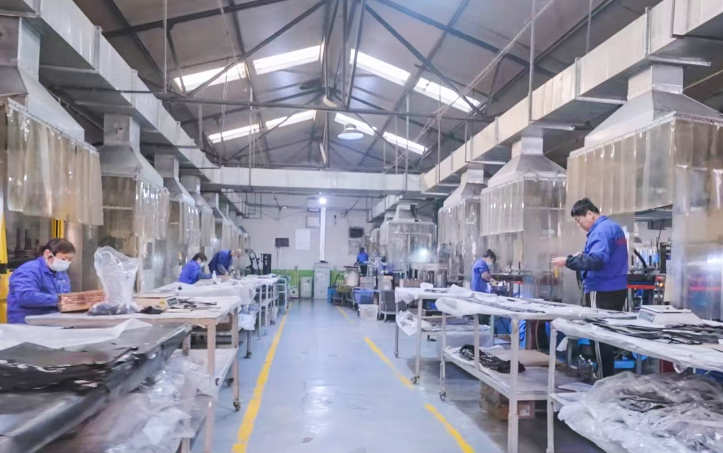
The materials selected for metal-to-metal seals are dictated by the application’s pressure, temperature, and chemical environment. Common materials include stainless steels (304, 316, 17-4 PH), Inconel alloys (718, 625), Hastelloy, titanium alloys, and occasionally, softer metals like copper or aluminum for specific sealing pairs. The selection process requires careful consideration of coefficient of thermal expansion (CTE) mismatch, which can induce stress and compromise sealing integrity during temperature fluctuations. Manufacturing processes significantly impact seal performance. Typically, seals are produced through precision machining, including CNC turning, milling, and grinding. Surface finish is paramount; Ra values typically range between 16-32 µin (0.4-0.8 µm) but can be lower depending on pressure requirements. Electropolishing is frequently employed to further refine the surface and remove micro-burrs. Forming processes like swaging and coining are used to create specific geometries, such as O-rings, C-rings, and lens rings. Key parameter control during manufacturing includes maintaining tight tolerances on dimensions, ensuring consistent surface finish, and controlling residual stresses. Heat treatment is critical for achieving the desired hardness and ductility, influencing the seal’s ability to conform to surface irregularities. The compatibility of materials is also crucial. Galvanic corrosion can occur if dissimilar metals are used in contact with an electrolyte. Avoiding incompatible metal pairings or employing protective coatings is essential.
Performance & Engineering
The performance of metal-to-metal seals is largely governed by contact mechanics and material properties. Under high compressive loads, the asperities on the mating surfaces undergo plastic deformation, increasing the real area of contact. This leads to localized cold welding, creating a diffusion barrier against fluid ingress. The sealing force must exceed the internal pressure to maintain a positive sealing margin. Finite Element Analysis (FEA) is routinely used to simulate stress distributions and predict seal behavior under various loading conditions. Factors such as bolt load, temperature gradients, and internal pressure are considered in the analysis. Environmental resistance is a critical design consideration. Corrosion can degrade the sealing surfaces, compromising their integrity. Selecting corrosion-resistant alloys or applying protective coatings (e.g., nickel plating, chromium plating) is essential. Temperature variations induce thermal expansion and contraction, potentially leading to stress relaxation and leakage. The CTE of the sealing materials must be carefully matched to minimize these effects. Compliance requirements, such as those specified by API standards for oil and gas applications or AS9100 for aerospace, dictate rigorous testing and validation procedures. These often include pressure testing, leak testing, and accelerated aging tests to ensure long-term reliability. Proper gland design is vital. Factors such as groove geometry, surface finish of the housing, and the distribution of compressive load are carefully optimized to achieve optimal seal performance.
Technical Specifications
| Parameter | Typical Value (Stainless Steel 316) | Typical Value (Inconel 718) | Units |
|---|---|---|---|
| Maximum Pressure | 10,000 | 20,000 | psi |
| Operating Temperature Range | -328 to 650 | -423 to 1300 | °F |
| Surface Roughness (Ra) | 16-32 | 16-32 | µin |
| Hardness (Rockwell C) | 85-95 | 95-105 | |
| Coefficient of Thermal Expansion (CTE) | 13.3 x 10⁻⁶ | 8.5 x 10⁻⁶ | /°F |
| Tensile Strength | 75-100 | 180-200 | ksi |
Failure Mode & Maintenance
Metal-to-metal seals are susceptible to several failure modes. Fatigue cracking can occur due to cyclic loading, particularly at high pressures and temperatures. This is exacerbated by stress concentrations caused by surface imperfections or improper installation. Galling, a form of adhesive wear, can occur between mating surfaces if lubrication is insufficient or if the materials are incompatible. Corrosion can degrade the sealing surfaces, leading to leakage. Creep, the time-dependent deformation of the material under constant stress, can reduce the compressive load and compromise sealing integrity at elevated temperatures. Oxidation can form surface films, hindering the cold welding process. Maintenance practices are crucial for extending seal life. Regular inspection for signs of corrosion, wear, or damage is recommended. Proper lubrication, using compatible lubricants, minimizes galling and reduces friction. Re-torqueing of bolts or adjusting gland settings may be necessary to maintain the required compressive load. Replacement of seals should be performed proactively, based on operating conditions and service life recommendations. Failure analysis, employing techniques such as fractography and metallography, can identify the root cause of failures and inform design improvements. Careful documentation of operating conditions and maintenance records is essential for tracking seal performance and preventing future failures.
Industry FAQ
Q: What are the primary advantages of metal-to-metal seals over elastomeric seals in high-pressure environments?
A: Metal-to-metal seals offer significantly higher pressure and temperature capabilities compared to elastomeric seals. They are also more resistant to chemical attack and degradation, and do not exhibit the same level of creep or compression set over time. While generally more expensive, their reliability in extreme conditions often justifies the cost.
Q: How critical is surface finish to the performance of a metal-to-metal seal?
A: Surface finish is absolutely critical. The Ra value directly impacts the real area of contact and the ability to achieve cold welding. Rougher surfaces reduce the contact area and increase the likelihood of leakage. Surface imperfections, such as scratches or burrs, can act as stress concentrators and lead to premature failure.
Q: What considerations should be made when selecting materials for a metal-to-metal seal in a corrosive environment?
A: Material selection must prioritize corrosion resistance. Alloys such as Inconel, Hastelloy, and titanium are often used in corrosive applications. Galvanic corrosion must be avoided by using compatible material pairings or employing protective coatings. The specific corrosive media and its concentration should be carefully considered during the selection process.
Q: How does thermal cycling affect the performance of metal-to-metal seals?
A: Thermal cycling induces stresses due to differences in CTE between the sealing materials and the housing. Repeated expansion and contraction can lead to stress relaxation, reducing the compressive load and potentially causing leakage. Careful material selection and proper gland design are essential to mitigate these effects.
Q: What is the role of lubrication in metal-to-metal sealing?
A: While metal-to-metal seals are designed to cold weld, a thin film of compatible lubricant can reduce friction during initial assembly and prevent galling. The lubricant must be chemically inert and compatible with the sealing materials and the process fluid. It should not interfere with the cold welding process.
Conclusion
Metal-to-metal seals represent a sophisticated sealing technology ideally suited for demanding high-pressure applications where reliability and longevity are paramount. Their performance is inextricably linked to careful material selection, precise manufacturing processes, and a thorough understanding of contact mechanics and failure modes. Achieving optimal sealing performance requires meticulous attention to detail, from surface finish control to proper gland design and maintenance practices.
Future advancements in metal-to-metal seal technology will likely focus on developing new alloys with improved corrosion resistance and higher temperature capabilities, as well as refining surface engineering techniques to enhance cold welding and reduce friction. The increasing adoption of digital twins and predictive maintenance strategies will enable more proactive monitoring and management of seal performance, minimizing downtime and maximizing operational efficiency.