
Introduction
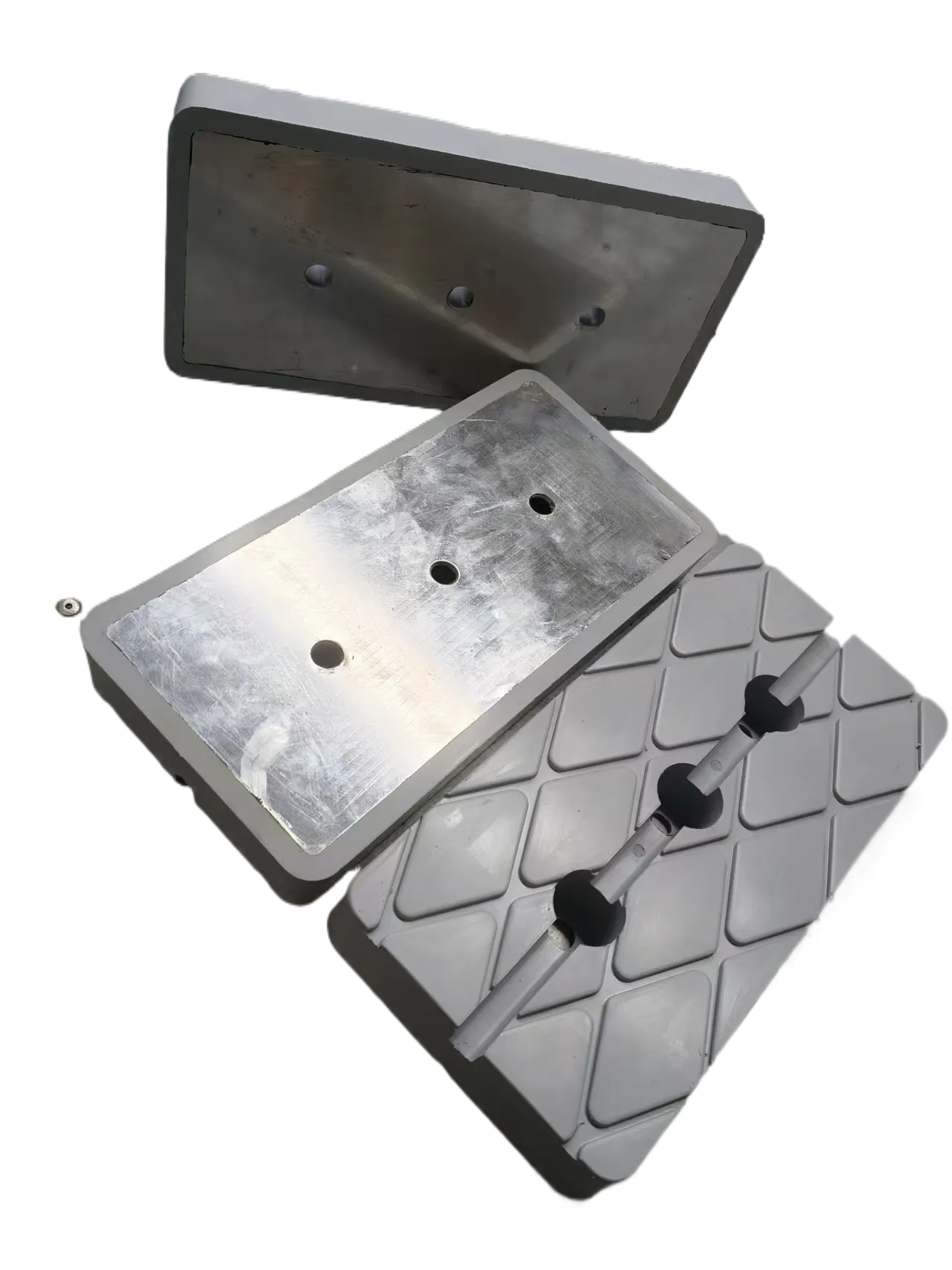
Non-metal washers are annular components utilized in bolting assemblies to distribute load, prevent damage to joined surfaces, and provide sealing. Unlike metallic washers, these components are fabricated from polymers, composites, or elastomers, offering distinct advantages in corrosion resistance, electrical insulation, and noise dampening. Positioned within the broader fastening industry – encompassing bolts, nuts, and screws – non-metal washers serve a critical role in ensuring joint integrity and longevity across a multitude of applications including automotive, aerospace, electronics, and construction. Their core performance metrics revolve around compressive strength, creep resistance, chemical compatibility, and temperature stability. The increasing demand for lightweight materials and corrosion-resistant fasteners is driving growth in the non-metal washer market, necessitating a detailed understanding of their material science, manufacturing processes, and performance characteristics.
Material Science & Manufacturing
Non-metal washers are commonly produced from a diverse range of materials, each possessing unique physical and chemical properties dictating application suitability. Polypropylene (PP) offers low cost and good chemical resistance but limited temperature performance (typically -20°C to 80°C). Polytetrafluoroethylene (PTFE), known as Teflon, excels in chemical inertness and low friction, making it ideal for corrosive environments and applications requiring minimal torque. Nylon 6 and Nylon 66 demonstrate higher tensile strength and abrasion resistance compared to PP, with operating temperature ranges extending to approximately 100°C and 120°C respectively. Fiber-reinforced polymers, incorporating glass fibers or carbon fibers into a polymeric matrix (typically epoxy or polyester), provide enhanced stiffness and strength, enabling use in high-load applications. Finally, elastomers like Ethylene Propylene Diene Monomer (EPDM) and Neoprene are utilized for sealing and vibration damping due to their inherent flexibility and resilience.
Manufacturing processes vary depending on the material and required dimensions. Injection molding is dominant for thermoplastic washers (PP, Nylon, PTFE), enabling high-volume production of complex geometries with tight tolerances. The process involves melting the polymer resin and injecting it into a mold cavity under high pressure. Critical parameters include melt temperature, injection pressure, and cooling rate, impacting the final product’s density, crystallinity, and mechanical properties. Compression molding is employed for thermosetting polymers and elastomers, involving placing a pre-measured amount of material into a heated mold cavity and applying pressure to initiate curing. Extrusion followed by cutting to length is utilized for producing continuous washer profiles, particularly for specific geometries. Post-processing operations, such as deburring and surface treatment, may be necessary to achieve desired finish and dimensional accuracy. Material shrinkage rates must be precisely accounted for in mold design to ensure dimensional compliance.
Performance & Engineering
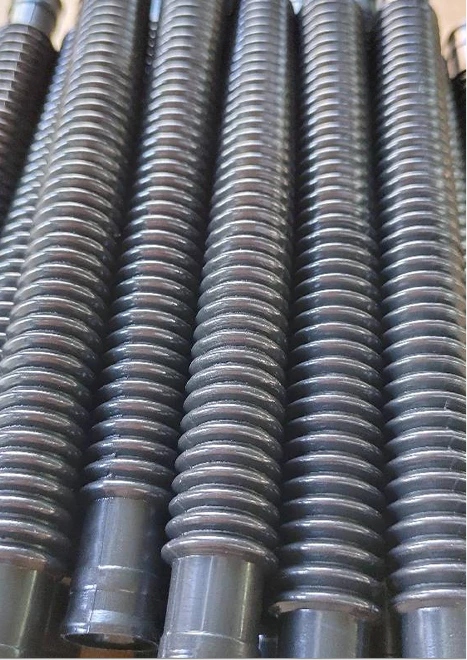
The performance of non-metal washers is governed by their ability to withstand compressive loads and maintain dimensional stability under various environmental conditions. Force analysis focuses on determining the compressive stress distribution within the washer material when subjected to bolt preload. This stress must remain below the material’s yield strength to prevent permanent deformation. Creep resistance – the tendency of a material to deform slowly under sustained stress – is crucial, particularly at elevated temperatures. Washers exhibiting significant creep can lead to loosening of bolted joints over time. Environmental resistance is another critical factor. Exposure to ultraviolet (UV) radiation, ozone, chemicals, and temperature fluctuations can cause degradation of the polymer matrix, reducing mechanical properties and potentially leading to failure.
Compliance requirements often dictate material selection and performance testing. For automotive applications, washers must meet specific standards related to fluid resistance (fuel, oil, coolant) and temperature cycling. Aerospace applications demand materials with exceptional flame retardancy, low outgassing, and resistance to extreme temperatures and pressures. RoHS (Restriction of Hazardous Substances) and REACH (Registration, Evaluation, Authorisation and Restriction of Chemicals) regulations restrict the use of certain hazardous substances in washer materials. Functional implementation considers factors such as sealing performance (for fluid sealing washers), electrical insulation properties (for isolating dissimilar metals), and vibration damping characteristics (for reducing noise and preventing fatigue failure in connected components). Finite element analysis (FEA) is frequently employed to optimize washer geometry and material selection for specific application requirements.
Technical Specifications
| Material | Tensile Strength (MPa) | Hardness (Shore D) | Operating Temperature (°C) |
|---|---|---|---|
| Polypropylene (PP) | 20-30 | 60-70 | -20 to 80 |
| Nylon 6 | 60-80 | 70-80 | -30 to 100 |
| Nylon 66 | 70-90 | 75-85 | -40 to 120 |
| PTFE | 14-21 | 30-40 | -200 to 260 |
| EPDM | 10-15 | 40-50 | -50 to 150 |
| Glass Fiber Reinforced Polyester | 150-250 | 80-90 | -40 to 150 |
Failure Mode & Maintenance
Non-metal washers are susceptible to several failure modes depending on the material, application, and operating conditions. Creep rupture is a common failure mechanism under sustained compressive loads, particularly at elevated temperatures, resulting in washer thinning and loss of clamping force. Environmental stress cracking (ESC) occurs when a washer is exposed to a combination of stress and corrosive chemicals, leading to crack initiation and propagation. UV degradation causes embrittlement and loss of mechanical properties in polymers exposed to sunlight. Oxidation leads to crosslinking and chain scission, resulting in loss of flexibility and strength, particularly at higher temperatures. Abrasion, caused by repeated friction against mating surfaces, can lead to wear and dimensional changes. Fatigue cracking can occur under cyclic loading, especially in fiber-reinforced polymers.
Maintenance typically involves periodic inspection for signs of degradation, such as cracking, swelling, discoloration, or loss of elasticity. For applications involving harsh chemicals, regular replacement of washers is recommended based on exposure duration and chemical compatibility data. Proper storage is crucial to prevent UV degradation and moisture absorption. Washers should be stored in a cool, dry place away from direct sunlight. Lubrication with a compatible lubricant can reduce friction and wear in certain applications. In cases of suspected failure, thorough inspection of the entire bolted joint is necessary to identify any additional damaged components. Documentation of washer material, dimensions, and installation torque is essential for effective failure analysis and preventative maintenance.
Industry FAQ
Q: What is the primary advantage of using a non-metal washer over a steel washer in a corrosive environment?
A: The primary advantage is superior corrosion resistance. Steel washers are prone to rust and oxidation in corrosive environments, leading to joint failure. Non-metal washers, especially those made from PTFE or chemically resistant polymers, are inherently inert to most chemicals and do not corrode, ensuring long-term joint integrity.
Q: How does temperature affect the performance of nylon washers?
A: Elevated temperatures significantly reduce the load-carrying capacity and creep resistance of nylon washers. As temperature increases, nylon becomes softer and more prone to deformation under sustained stress. Above approximately 80-100°C, nylon’s mechanical properties degrade rapidly, potentially leading to joint loosening.
Q: What is the significance of Shore D hardness when selecting a non-metal washer?
A: Shore D hardness indicates the material’s resistance to indentation. A higher Shore D hardness generally corresponds to a stiffer and more durable washer, capable of withstanding higher compressive loads. However, excessive hardness can lead to brittle failure, so the optimal hardness value depends on the application requirements.
Q: Can fiber-reinforced polymer washers be used in high-vibration applications?
A: Yes, fiber-reinforced polymer washers offer excellent vibration damping characteristics and high fatigue strength, making them suitable for high-vibration applications. The fibers provide increased stiffness and resistance to crack propagation, preventing joint loosening and failure.
Q: What considerations are important when specifying a non-metal washer for electrical insulation?
A: Key considerations include dielectric strength, volume resistivity, and surface resistivity. The washer material must exhibit high dielectric strength to prevent electrical breakdown. High volume and surface resistivity are essential to minimize leakage current and ensure effective insulation between conductive components.
Conclusion
Non-metal washers are critical components in modern fastening systems, offering a diverse range of material options tailored to specific performance requirements. Their advantages in corrosion resistance, electrical insulation, and vibration damping make them indispensable in a wide array of industries. Understanding the material science, manufacturing processes, and potential failure modes of these components is crucial for ensuring joint integrity and long-term reliability.
The ongoing trend toward lightweighting and the increasing demands for high-performance materials will continue to drive innovation in non-metal washer technology. Future developments are likely to focus on novel polymer blends with enhanced mechanical properties, improved environmental resistance, and sustainable materials derived from renewable resources. Careful material selection, proper installation, and regular inspection are paramount for maximizing the service life and ensuring the optimal performance of non-metal washer assemblies.