
Introduction
Stainless steel hillside washers are critical load-distributing components utilized extensively across diverse industrial sectors, including construction, automotive, and infrastructure. These washers, characterized by their conical or sloped surface, are specifically designed to compensate for uneven or irregular mating surfaces, ensuring uniform stress distribution and preventing fastener loosening. Unlike standard flat washers, hillside washers are engineered to tolerate angular misalignments between connected components, thereby enhancing joint integrity and extending service life. Their primary function is to provide a bearing surface that mitigates stress concentration, reducing the risk of bolt failure and component deformation. This guide provides a comprehensive technical overview of stainless steel hillside washers, covering material science, manufacturing processes, performance characteristics, failure modes, and relevant industry standards.
Material Science & Manufacturing
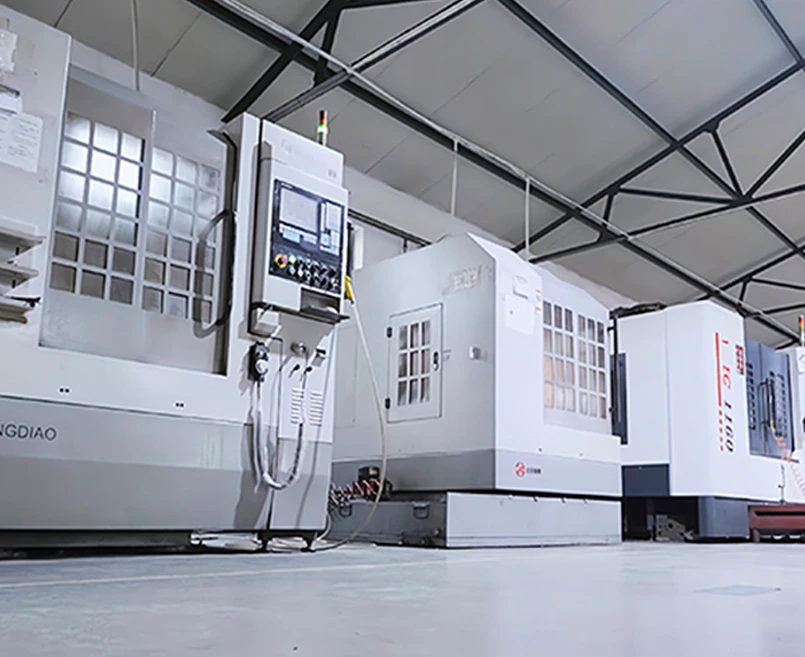
Stainless steel hillside washers are predominantly manufactured from austenitic stainless steel grades, notably 304 and 316, owing to their superior corrosion resistance, ductility, and tensile strength. 304 stainless steel, containing approximately 18% chromium and 8% nickel, offers excellent resistance to oxidizing acids and general corrosion. 316 stainless steel, incorporating molybdenum, further enhances corrosion resistance, particularly against chloride-induced pitting and crevice corrosion, making it suitable for marine and chemical processing environments. The raw material typically arrives in coil or bar stock, which undergoes a series of forming operations. The manufacturing process typically involves blanking, drawing, and forming. Blanking creates the initial washer shape from the sheet metal. Drawing refines the dimensions and wall thickness. The conical or sloped profile is achieved through a progressive die forming process, utilizing specialized tooling to incrementally shape the washer. Critical parameters during manufacturing include die geometry, lubrication, and forming pressure. Insufficient lubrication can lead to galling and surface imperfections, while excessive pressure can induce work hardening and dimensional inaccuracies. Post-forming operations may include deburring, polishing, and passivation to remove sharp edges, improve surface finish, and enhance corrosion resistance. Passivation involves treating the washer with an oxidizing acid, such as nitric acid, to create a protective chromium-rich oxide layer on the surface. Chemical composition verification, dimensional inspection, and hardness testing are essential quality control measures performed throughout the manufacturing process.
Performance & Engineering
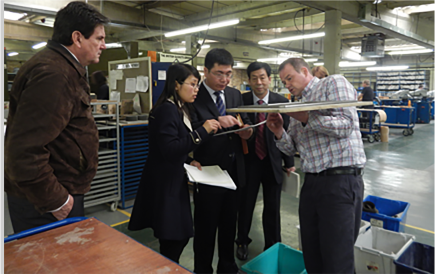
The performance of stainless steel hillside washers is fundamentally governed by their ability to distribute load effectively and maintain clamping force under dynamic conditions. Force analysis indicates that the conical geometry introduces a self-aligning characteristic, allowing the washer to accommodate angular misalignment up to a specified degree (typically 5-10 degrees) without significantly reducing the bolt preload. The axial stiffness of the washer, determined by its thickness, diameter, and material properties, influences its ability to resist compression set and maintain consistent pressure. Environmental resistance is a critical performance parameter. Exposure to corrosive environments, such as saltwater or chemical fumes, can initiate pitting corrosion and reduce the washer's load-carrying capacity. Proper material selection (e.g., 316 stainless steel) and surface treatments (e.g., passivation) are crucial for mitigating corrosion. Compliance requirements vary depending on the application. For structural applications in building construction, washers must comply with relevant building codes and standards, such as AISC (American Institute of Steel Construction) specifications. In automotive applications, washers may be subject to OEM-specific performance and durability testing. Functional implementation requires careful consideration of washer dimensions relative to the bolt size, mating surface irregularities, and applied load. Selecting an appropriately sized washer ensures optimal load distribution and prevents damage to the connected components. Finite element analysis (FEA) can be employed to simulate stress distributions and optimize washer geometry for specific applications.
Technical Specifications
| Material Grade | Diameter (mm) | Thickness (mm) | Hardness (HV) |
|---|---|---|---|
| 304 Stainless Steel | 10 | 2.0 | 200-250 |
| 304 Stainless Steel | 16 | 2.5 | 210-260 |
| 316 Stainless Steel | 12 | 2.0 | 220-280 |
| 316 Stainless Steel | 20 | 3.0 | 230-290 |
| 304 Stainless Steel | 25 | 3.5 | 220-270 |
| 316 Stainless Steel | 30 | 4.0 | 240-300 |
Failure Mode & Maintenance
Stainless steel hillside washers, while durable, are susceptible to several failure modes. Fatigue cracking can occur under cyclic loading, particularly in areas of high stress concentration, such as the inner diameter or around the conical edge. Corrosion, especially pitting and crevice corrosion, can initiate in the presence of chlorides or other corrosive agents, weakening the washer and reducing its load-carrying capacity. Galling, a form of adhesive wear, can occur if the washer is subjected to excessive friction against the mating surface. Delamination, the separation of layers within the washer material, can be caused by manufacturing defects or improper heat treatment. Oxidation, at elevated temperatures, can lead to surface scaling and reduced mechanical properties. Regular inspection is crucial for identifying potential failure modes. Visual inspection should focus on detecting signs of corrosion, cracking, or deformation. Non-destructive testing methods, such as dye penetrant inspection or ultrasonic testing, can be used to detect subsurface flaws. Maintenance primarily involves cleaning the washers to remove dirt, debris, and corrosive contaminants. Periodic lubrication may be necessary in high-friction applications. If corrosion is detected, the affected washers should be replaced. It’s imperative to verify the correct torque specifications during installation to prevent over-tightening, which can lead to washer deformation and bolt failure. Proper storage in a dry environment can minimize corrosion risks during periods of non-use.
Industry FAQ
Q: What is the primary advantage of using a hillside washer over a standard flat washer in applications with misaligned surfaces?
A: The primary advantage is the self-aligning capability. Hillside washers compensate for angular misalignment between connected components, distributing the load more evenly and preventing stress concentration that can lead to bolt failure or joint loosening. A flat washer, lacking this geometry, forces the bolt to bear the brunt of the misalignment, potentially exceeding its elastic limit.
Q: How does the material grade (304 vs. 316) affect the suitability of the washer for different environments?
A: 304 stainless steel offers good general corrosion resistance, suitable for most indoor and outdoor applications. However, in environments with high chloride content (e.g., marine, coastal areas, chemical processing plants), 316 stainless steel is preferred due to its enhanced resistance to pitting and crevice corrosion caused by chlorides.
Q: What is the impact of washer thickness on its performance?
A: Washer thickness directly influences its axial stiffness. A thicker washer provides higher stiffness, resisting compression set and maintaining consistent clamping force. However, excessive thickness can increase cost and weight without proportionally improving performance. The optimal thickness depends on the application requirements and the degree of anticipated load variations.
Q: What are the common causes of fatigue failure in stainless steel hillside washers?
A: Fatigue failure commonly originates at stress concentration points, such as the inner diameter or around the conical edge, under cyclic loading. Factors contributing to fatigue include excessive load amplitude, surface imperfections, and material defects. Regular inspection and proper torque control are crucial for preventing fatigue failure.
Q: What surface treatments are commonly applied to stainless steel hillside washers, and what benefits do they provide?
A: Passivation is the most common surface treatment, forming a protective chromium-rich oxide layer that enhances corrosion resistance. Polishing improves surface finish and reduces friction. Other treatments, such as electropolishing, can further improve corrosion resistance and provide a smoother, more aesthetically pleasing finish.
Conclusion
Stainless steel hillside washers represent a critical fastening component, offering superior load distribution and accommodating misalignment compared to standard flat washers. Their effectiveness relies heavily on appropriate material selection – primarily 304 or 316 stainless steel – dictated by the operating environment's corrosive potential. Understanding the manufacturing processes, specifically die forming and passivation, is crucial for ensuring product quality and consistent performance. Careful consideration of technical specifications, including diameter, thickness, and hardness, is essential for optimizing washer performance in specific applications.
Long-term reliability necessitates diligent maintenance, including regular inspection for signs of fatigue, corrosion, or deformation. Implementing preventative measures like proper torque control during installation and storage in dry conditions will significantly extend the service life of these components. Continued advancements in material science and manufacturing techniques will likely lead to further improvements in the performance and durability of stainless steel hillside washers, solidifying their role as an indispensable element in various engineering applications.