
Introduction
Steel post caps are protective covers installed on the top of wooden or metal posts, primarily utilized in fencing, decking, and landscaping applications. Positioned within the construction materials supply chain, they function as a critical element in preventing water ingress, mitigating weathering damage, and enhancing the aesthetic appeal and longevity of post structures. Their core performance attributes revolve around corrosion resistance, structural integrity, and compatibility with various post materials. The increasing demand for durable, low-maintenance outdoor structures drives the utilization of steel post caps, particularly in environments susceptible to harsh weather conditions. A significant industry pain point centers around the selection of appropriate steel grades and protective coatings to withstand prolonged exposure to UV radiation, salt spray, and temperature fluctuations, thereby maximizing service life and minimizing maintenance costs.
Material Science & Manufacturing
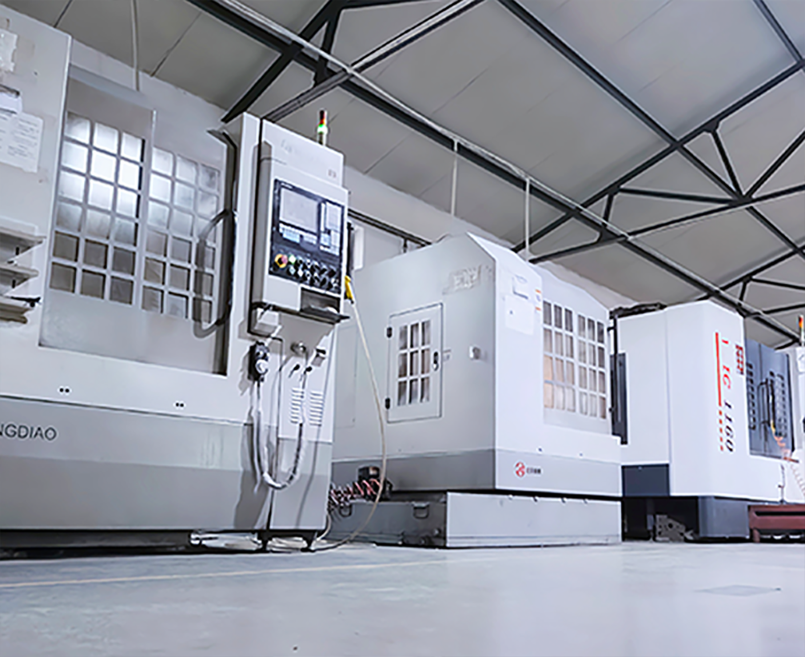
The primary material for steel post caps is carbon steel, typically AISI 1018 or similar low-carbon alloys, chosen for their weldability and formability. Stainless steel grades, such as 304 or 316, are employed in more corrosive environments. Raw material properties include yield strength (typically 250-350 MPa for carbon steel, 550-700 MPa for stainless steel), tensile strength (400-550 MPa and 880-1000 MPa respectively), and elongation (15-25% and 30-40% respectively). Manufacturing processes commonly involve deep drawing or stamping to form the cap shape, followed by welding for seam closure or attachment of decorative elements. Critical parameter control includes die precision to ensure dimensional accuracy, weld current and gas shielding to prevent porosity and oxidation, and heat treatment (annealing or stress relieving) to optimize material properties. Surface preparation prior to coating is paramount, typically involving degreasing, pickling, and phosphating to enhance adhesion. Coating processes include powder coating (epoxy, polyester), galvanizing, or painting with specialized marine-grade coatings. Galvanizing, specifically hot-dip galvanizing, provides sacrificial corrosion protection. The choice of coating significantly impacts the cap's resistance to environmental degradation and lifespan. Failure to adequately control these parameters can result in premature corrosion, weld defects, or coating failure.
Performance & Engineering
The performance of steel post caps is governed by several engineering considerations. Load analysis focuses on the cap’s ability to withstand static and dynamic loads, including wind loads, snow loads, and accidental impact. Finite element analysis (FEA) is often used to optimize cap geometry and material thickness to maximize structural integrity. Environmental resistance is a crucial factor. Corrosion resistance is evaluated through salt spray testing (ASTM B117) and cyclic corrosion testing. UV resistance is assessed using accelerated weathering tests (ASTM G154). The caps must also withstand temperature cycling without cracking or delamination of the coating. Compliance requirements vary by region, but typically include adherence to building codes regarding wind load resistance and material specifications. Functional implementation involves ensuring a tight fit onto the post to prevent water penetration. This often necessitates the use of internal sleeves or compression fittings. The geometry of the cap also influences water runoff and debris accumulation. Designing a sloped surface promotes water shedding and minimizes corrosion hotspots. A common industry pain point revolves around balancing cost with performance; thinner gauge steel and less durable coatings reduce initial cost but compromise long-term durability and necessitate more frequent maintenance or replacement.
Technical Specifications
| Material Grade | Coating Type | Minimum Coating Thickness (µm) | Yield Strength (MPa) |
|---|---|---|---|
| AISI 1018 Carbon Steel | Epoxy Powder Coat | 60 | 250 |
| AISI 1018 Carbon Steel | Hot-Dip Galvanizing | 55 | 250 |
| 304 Stainless Steel | None (Polished) | N/A | 550 |
| 304 Stainless Steel | Polyester Powder Coat | 80 | 550 |
| 316 Stainless Steel | None (Polished) | N/A | 700 |
| 316 Stainless Steel | Fluoropolymer Coating | 100 | 700 |
Failure Mode & Maintenance
Common failure modes for steel post caps include corrosion (rusting, pitting), coating degradation (chipping, peeling, blistering), fatigue cracking (due to wind loads), and mechanical damage (impact, abrasion). Corrosion typically initiates at areas with compromised coating integrity, such as scratches or impact points. Salt spray exposure accelerates corrosion processes, particularly in coastal environments. Fatigue cracking can occur in areas of high stress concentration, such as weld seams. Coating degradation is often caused by UV exposure, thermal cycling, or chemical attack. Failure analysis involves visual inspection to identify the type and extent of damage, followed by material testing (metallography, hardness testing, chemical analysis) to determine the root cause. Maintenance strategies include regular inspection for signs of corrosion or coating damage, cleaning to remove dirt and debris, and re-coating or replacement of damaged caps. Preventative maintenance, such as applying a protective wax coating, can extend the lifespan of the caps. For galvanized caps, periodic inspection for zinc depletion is recommended. In severe cases of corrosion, complete cap replacement may be necessary. Choosing a higher grade of steel or a more durable coating can significantly reduce the frequency of maintenance interventions and extend the overall service life.
Industry FAQ
Q: What steel grade offers the best corrosion resistance for marine applications?
A: 316 stainless steel is generally recommended for marine applications due to its superior resistance to chloride pitting corrosion. The addition of molybdenum in 316 enhances its resistance to salt water compared to 304 stainless steel. However, even 316 may require supplementary coatings or cathodic protection in highly corrosive environments.
Q: How does powder coating thickness affect the lifespan of a steel post cap?
A: Powder coating thickness is directly correlated to its protective lifespan. A minimum coating thickness of 60µm is generally considered adequate for moderate environments, but 80µm or greater is recommended for harsh conditions. Thicker coatings provide greater barrier protection against corrosion and UV degradation.
Q: What is the impact of weld quality on the structural integrity of a steel post cap?
A: Weld quality is critical. Poor weld penetration, porosity, or inadequate shielding gas coverage can create stress risers and significantly reduce the cap's load-bearing capacity. Non-destructive testing (NDT) methods, such as visual inspection, dye penetrant testing, or ultrasonic testing, are used to verify weld integrity.
Q: What are the advantages of hot-dip galvanizing over powder coating?
A: Hot-dip galvanizing provides sacrificial corrosion protection, meaning the zinc coating corrodes preferentially, protecting the underlying steel. Powder coating offers barrier protection, but once breached, corrosion can proceed rapidly. Galvanizing is generally more durable in harsh environments, but powder coating offers a wider range of color options.
Q: How important is surface preparation before coating application?
A: Surface preparation is paramount. Contaminants such as oil, grease, rust, and mill scale must be completely removed to ensure proper coating adhesion. Common surface preparation methods include degreasing, pickling, and abrasive blasting. Insufficient surface preparation will lead to premature coating failure.
Conclusion
Steel post caps represent a critical component in safeguarding outdoor structures against environmental degradation and structural failure. The selection of appropriate materials, manufacturing processes, and protective coatings is crucial for ensuring long-term durability and minimizing maintenance costs. Understanding the potential failure modes – primarily corrosion, coating breakdown, and fatigue – is vital for implementing effective preventative maintenance strategies.
Future advancements will likely focus on the development of self-healing coatings and more environmentally friendly galvanizing processes. Furthermore, increased reliance on computational modeling and non-destructive testing techniques will enable more precise assessment of cap performance and proactive identification of potential failure points. Optimizing the balance between initial cost and long-term durability remains a key challenge for manufacturers and end-users alike.