
Hymalayan Salt Brick/Particles represent a novel intersection of mineral sourcing and high-performance adhesive formulation in modern construction. As the demand for specialized bonding solutions grows, the industry is turning its focus toward the raw materials that provide the foundational properties of sealants, coatings, and structural adhesives.
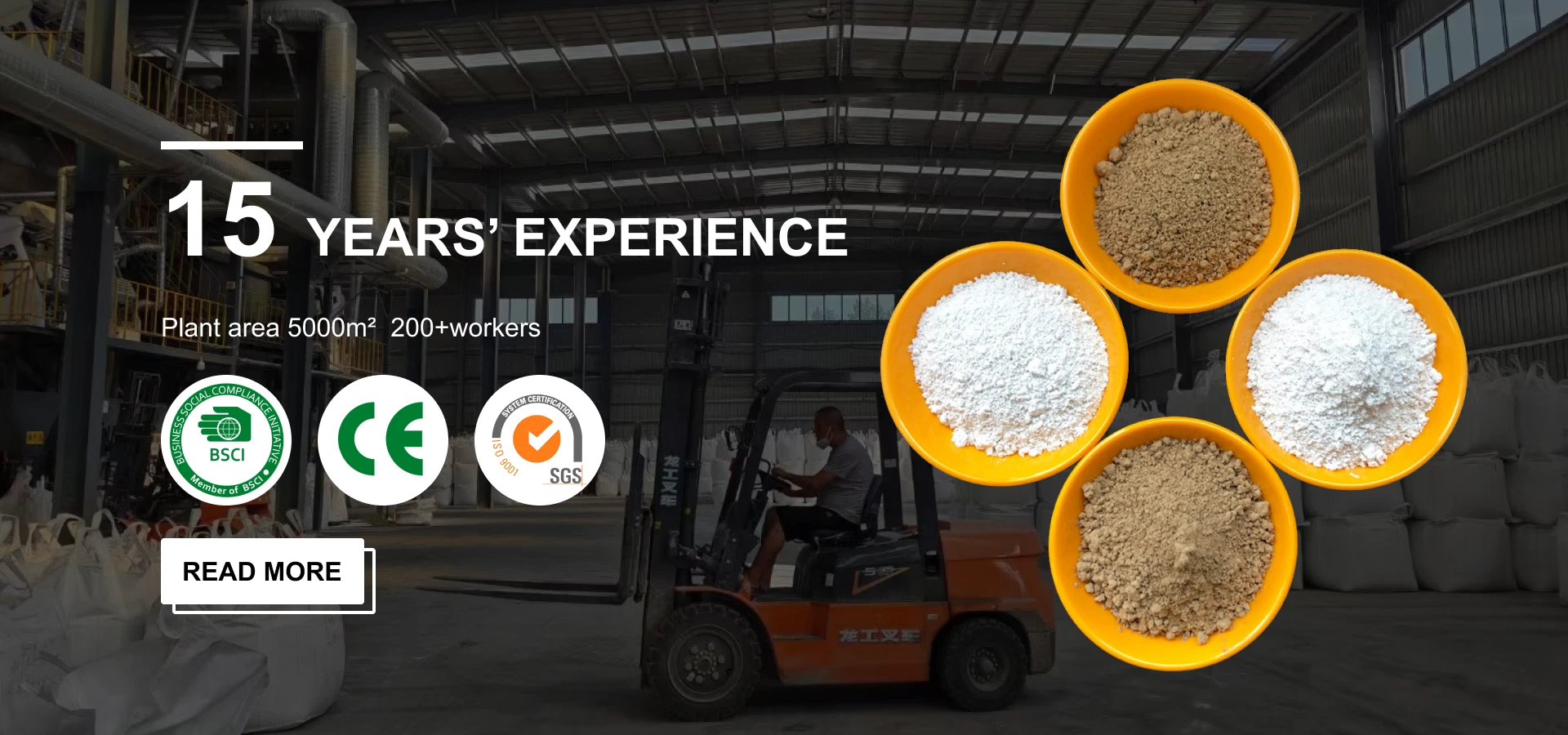
The evolution of construction chemistry has moved far beyond simple petrochemical binders. Today, functional fillers and mineral additives are engineered components that solve critical performance challenges, from extreme temperature resistance to rheology control. Understanding the geology and processing of these minerals is no longer just a supply chain consideration—it has become a core technical competency for leading formulators worldwide.
The Functional Chemistry Behind Mineral Fillers
Minerals serve a diverse range of highly specific functions in adhesive systems. For instance, platy structures like mica and talc significantly enhance barrier properties and reduce moisture permeability in wood adhesives and sealants. Micronized calcium carbonate acts as a cost-effective extender while maintaining tensile strength and improving the workability of the final product. Barite powder, with its exceptionally high specific gravity, is indispensable in radiation-shielding sealants used in medical and nuclear facilities.
The degree of influence these minerals have on the final product is dictated by their source consistency and processing methodology. A well-calcined kaolin, for example, provides excellent dielectric properties and opacity, while a hydrous version offers superior rheology control in water-based systems. Formulators who understand these nuances can precisely tailor adhesive behavior without overhauling their primary polymer chemistry.
Solving Real-World Construction Pain Points
The construction and industrial maintenance sectors face mounting pressure to deliver structures and assemblies that are safer, more durable, and more environmentally responsible. This translates directly to specific, demanding requirements on adhesive and sealant products:
- Fire Safety: Vermiculite and sepiolite are increasingly specified for their intumescent properties, expanding to form an insulating char that protects steel structures and fire-rated joints.
- Thixotropy & Sag Resistance: Attapulgite and pyrophyllite provide the shear-thinning behavior essential for vertical and overhead applications, ensuring adhesive stays exactly where it is applied without dripping.
- Thermal Insulation: Volcanic stone and expanded perlite are key components in lightweight insulating mortars and tile adhesives, improving thermal efficiency in building envelopes.
- Durability: The inclusion of hard, stable minerals like quartz and specific feldspars enhances the abrasion resistance of industrial floor coatings and grouts.
The Critical Importance of Supply Chain Integrity
While the chemistry of the polymer binder often receives the spotlight in R&D, the consistency of the mineral phase is what determines commercial success and reliability in the field. A subtle variation in particle size distribution or impurity levels can drastically alter cure times, viscosity, and final adhesion strength. This is why technical formulators must conduct rigorous audits of their raw material partners, demanding transparency and certified consistency.
Suppliers with deep access to premium geological reserves and modern processing capabilities—such as advanced dry grinding, air classification, and beneficiation systems—are inherently better positioned to deliver the uniform quality that the industry requires. For instance, ensuring that a Mica Sheet product maintains a precise aspect ratio and a high purity level is absolutely essential for achieving predictable results in high-end decorative plasters, high-temperature gaskets, and specialized electrical insulation adhesives.
Trends Shaping the Future of Adhesive Raw Materials
The global market is accelerating toward bio-based and low-VOC (volatile organic compound) formulations. Interestingly, natural minerals are playing a pivotal role in this transition. Unlike many synthetic organic additives, minerals like kaolin, diatomaceous earth, and volcanic stone are inherently low in VOCs. They can be used effectively to functionalize green adhesive systems without compromising indoor air quality or environmental goals.
Furthermore, the push for circular economy models is driving genuine interest in mineral extenders that can be easily reclaimed, recycled, or which originate from regions with strong environmental stewardship. The ability to trace a mineral from the quarry to the adhesive mixing tank is becoming a distinct competitive advantage for manufacturers serving the eco-conscious architectural and industrial markets.
Conclusion: Building the Future on a Foundation of Raw Material Intelligence
The synergy between advanced polymer chemistry and precisely engineered mineral systems defines the forefront of the global adhesives industry. For product developers and manufacturers looking to innovate in sealants, coatings, and construction chemicals, a deep, collaborative partnership with a reliable and geologically advantaged mineral source is far more than an operational necessity—it is a profound strategic asset. The future of bonding will be built on a foundation of superior raw material intelligence and supply chain excellence.