
Natural Gas Generator systems are increasingly vital for adhesive manufacturers who depend on uninterrupted power to maintain precise chemical processes and batch consistency. In an industry where temperature, mixing speed, and curing conditions directly determine product performance, even a brief power disruption can compromise an entire production run, leading to material waste, off-specification batches, and costly rework. The relationship between reliable electricity and adhesive quality is often overlooked, yet it is one of the most critical factors in modern chemical manufacturing.
The Unseen Dependency: Power Quality in Chemical Production
Adhesive manufacturing is a process built on precision. From the initial blending of polymers, solvents, and additives to the controlled curing and packaging stages, each step requires stable environmental conditions. Mixing vessels must maintain consistent RPMs to ensure uniform dispersion of fillers and thickeners. Heating jackets and cooling coils regulate reaction temperatures within narrow windows. Conveyor systems, filling machines, and labeling equipment operate in synchronized sequences. All of these depend on a steady, reliable power supply.
When voltage sags, frequency fluctuations, or complete outages occur, the consequences ripple through the production line. Incomplete mixing, phase separation, premature curing, and inconsistent viscosity are just a few of the quality defects that can arise. For manufacturers producing specialty adhesives for automotive, construction, electronics, or packaging applications, these defects are not merely inconvenient—they can lead to failed certifications, customer rejections, and reputational damage.
The Real Cost of Production Interruptions
Industry data suggests that unplanned downtime in chemical processing facilities can cost between $10,000 and $50,000 per hour, depending on the scale and complexity of operations. For adhesive manufacturers, these figures often underestimate the true impact. Beyond the immediate loss of production time, there is the cost of raw materials already committed to a batch that must be discarded. There is the labor required to clean and recalibrate equipment. There is the delay in fulfilling customer orders, which can strain relationships and lead to penalties.
Moreover, certain adhesive formulations are time-sensitive. Once the curing process begins, it cannot be paused or restarted. A power outage that occurs during a critical reaction window may render an entire batch unusable, regardless of how much time or material has been invested. This is particularly true for reactive adhesives such as epoxies, polyurethanes, and silicones, where the chemistry proceeds along a fixed timeline.
How Adhesive Manufacturers Are Addressing Power Vulnerability
Forward-thinking adhesive producers are increasingly treating power reliability as a strategic priority, not just a maintenance issue. This shift involves evaluating the entire electrical infrastructure—from grid connections and transformers to backup generation and distribution panels. Many facilities are implementing tiered power solutions that match the criticality of each process zone. For example, a mixing hall that handles reactive chemistries may receive dedicated backup power, while warehouse and office areas are served by secondary systems.
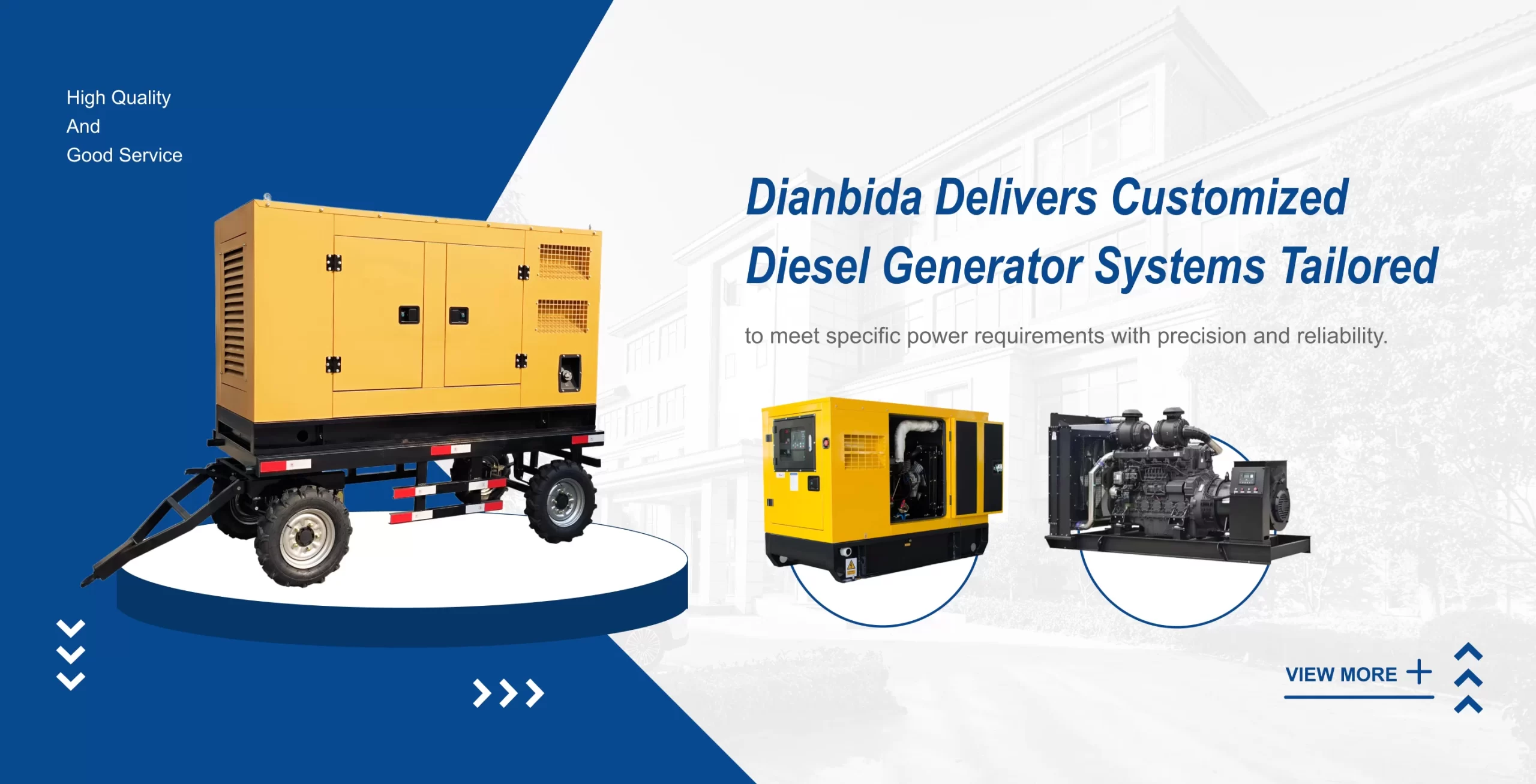
The choice of backup power technology is also evolving. Traditional diesel generators remain popular for their reliability and fuel availability, but manufacturers are exploring alternatives that offer cleaner operation, faster start times, and lower maintenance burdens. One emerging trend is the use of gas-powered generator sets, which provide a more sustainable fuel option while maintaining the power density required for industrial operations. For facilities that need temporary or supplementary power for expansion projects or seasonal demand spikes, a Mobile Trailer Generator offers a practical solution that can be deployed quickly without permanent installation.
The Role of Power in Quality Control and Compliance
Quality control in adhesive manufacturing is heavily dependent on consistent environmental conditions. Many testing protocols—such as viscosity measurements, peel strength tests, and cure time assessments—are conducted under controlled temperatures and humidity levels. Power interruptions can disrupt climate control systems, altering the conditions under which products are tested and validated. This introduces variability that can mask real quality issues or, conversely, create false alarms that lead to unnecessary rework.
Regulatory compliance adds another layer of complexity. Manufacturers serving industries like aerospace, medical devices, or food packaging must adhere to strict standards that require documented evidence of process control. A power outage that interrupts data logging or compromises environmental monitoring can create gaps in the compliance record, potentially triggering audits or non-conformance reports. Ensuring that power systems are robust enough to support continuous monitoring and data acquisition is therefore essential for maintaining certifications.
Supply Chain Resilience and the Power Connection
The adhesive industry does not operate in isolation. It is a critical link in broader supply chains that serve construction, automotive, electronics, packaging, and countless other sectors. When an adhesive manufacturer experiences a power-related production disruption, the effects cascade downstream. Construction projects face delays, automotive assembly lines slow down, and packaging producers scramble for alternative sources. In an era where supply chain resilience is a top priority for businesses worldwide, ensuring uninterrupted production is not just an operational goal—it is a competitive necessity.
Adhesive manufacturers are therefore investing in power infrastructure that can withstand not only short-term outages but also extended grid disruptions caused by extreme weather, grid instability, or regional energy shortages. This includes on-site generation capacity, fuel storage, and automatic transfer switches that ensure seamless transition from grid power to backup power. The goal is to achieve "island mode" capability—the ability to operate independently of the grid for extended periods without compromising production quality or throughput.
Practical Considerations for Power System Selection
For adhesive manufacturers evaluating backup power options, several factors deserve careful consideration. The first is load characterization—understanding which equipment and processes are critical and how much power they require during normal operation and startup. Motors and pumps, for example, often draw significantly higher current during startup, and the generator must be sized to handle these transient loads without voltage drop.
The second factor is fuel logistics. Diesel generators require on-site fuel storage, regular testing, and fuel quality management to ensure reliability. Gas-powered generators, by contrast, can be connected to natural gas pipelines, eliminating the need for fuel storage and reducing the frequency of maintenance interventions. However, gas availability and pipeline capacity must be verified, particularly for facilities in remote or rural locations.
The third factor is integration with existing automation and control systems. Modern adhesive manufacturing facilities rely on programmable logic controllers (PLCs), supervisory control and data acquisition (SCADA) systems, and industrial internet of things (IIoT) sensors. The backup power system must be compatible with these systems, providing clean, stable power that does not introduce noise or harmonics that could interfere with sensitive electronics.
Looking Ahead: Power as a Quality Enabler
As adhesive formulations become more sophisticated and application requirements more demanding, the role of power reliability in manufacturing quality will only grow. The industry is moving toward higher-performance adhesives that require tighter process control, longer cure profiles, and more precise environmental conditioning. These trends place greater demands on the electrical infrastructure that supports production.
Manufacturers that invest in robust, well-designed power systems are not just protecting against downtime—they are enabling higher quality standards, greater process consistency, and stronger customer trust. In an industry where product performance is measured in terms of bond strength, durability, and reliability, the power that drives production deserves the same level of attention as the chemistry itself.
The adhesive manufacturing landscape continues to evolve, and with it the understanding that power reliability is a foundational element of quality. By treating power infrastructure as a strategic asset rather than a utility expense, manufacturers can strengthen their production capabilities, reduce risk, and deliver consistent, high-performance products to the markets that depend on them.