
Introduction
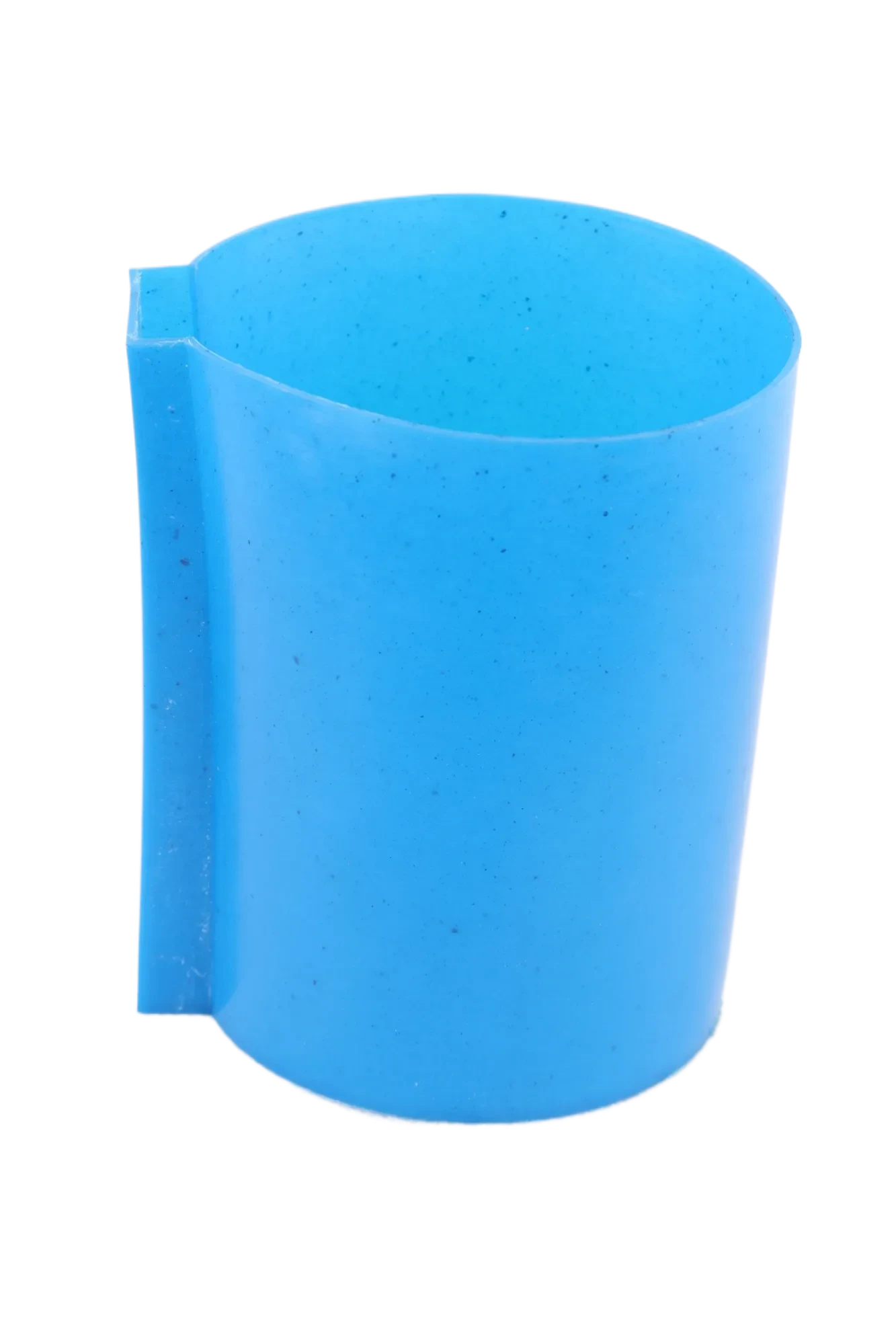
Wrought iron caps are protective covers employed across diverse industrial sectors, primarily for safeguarding threaded connections, preventing corrosion, and maintaining structural integrity. Positioned within the broader realm of industrial fasteners and protective hardware, wrought iron caps differentiate themselves through their material composition – low carbon content iron characterized by slag inclusions – imparting unique properties regarding formability, weldability, and corrosion resistance (though susceptible to specific environmental factors). Their core performance revolves around providing a robust physical barrier against environmental ingress, mechanical damage, and accidental loosening of secured components. Understanding the nuances of their material science, manufacturing processes, and performance characteristics is crucial for ensuring optimal application and longevity in demanding industrial environments. This guide provides a comprehensive overview of wrought iron caps, encompassing material properties, production techniques, engineering considerations, failure modes, and relevant industry standards.
Material Science & Manufacturing
Wrought iron, the foundational material for these caps, isn’t a naturally occurring alloy; it’s produced by reducing iron ore to metallic iron while leaving a small, controlled amount of slag. This slag content (typically 0.2-2.0% by weight), consisting of silicate, aluminate, and sulfide compounds, gives wrought iron its fibrous structure and differentiates it from steel. The low carbon content (typically less than 0.08%) results in ductility and ease of forming. Manufacturing of wrought iron caps typically involves several stages. Initially, wrought iron billets are heated and formed via processes like forging, pressing, or, increasingly, hot spinning. Hot spinning is favored for producing seamless caps with consistent wall thickness. Following forming, machining operations – lathing, milling, and drilling – are employed to achieve precise dimensions and thread compatibility. Surface finishing treatments, such as galvanizing or painting, are applied to enhance corrosion resistance. Parameter control is critical throughout the manufacturing process. Temperature control during heating and forming is paramount to prevent grain growth and maintain ductility. Precise control of machining parameters (cutting speed, feed rate, depth of cut) ensures dimensional accuracy and surface finish quality. The slag distribution within the wrought iron also influences the final product’s properties; a homogenous distribution is desirable to avoid localized weaknesses. Chemical composition control of the initial wrought iron billet is vital, alongside meticulous quality control checks at each stage to verify conformity to specifications.
Performance & Engineering
The primary engineering function of a wrought iron cap is to provide environmental sealing and mechanical protection. Performance is dictated by several factors. Tensile strength, while relatively low compared to steel (typically around 400-550 MPa), is sufficient for retaining caps under normal operating conditions. However, the ductile nature of wrought iron allows it to deform plastically under stress, potentially preventing brittle fracture. Corrosion resistance, while improved compared to carbon steel due to the iron-silicate barrier formed by the slag, is not absolute. Prolonged exposure to highly corrosive environments (e.g., saltwater, acidic solutions) necessitates additional protective coatings like galvanization. Force analysis often focuses on the cap’s ability to resist shear forces during removal and the hoop stress generated by internal pressure (if applicable, such as in pressurized systems). Thread engagement force is a critical parameter; the cap must provide sufficient gripping force to prevent accidental dislodgement. Compliance requirements vary by industry. For example, applications involving potable water systems may necessitate caps meeting NSF/ANSI 61 standards for lead content and material safety. In hazardous locations, caps may need to comply with ATEX or IECEx directives regarding explosion protection. Furthermore, the cap’s material compatibility with the underlying fastener and surrounding environment must be carefully considered to prevent galvanic corrosion or other adverse reactions. Fatigue resistance, while typically not a primary concern for static applications, becomes relevant in dynamic environments subject to repeated loading and unloading.
Technical Specifications
| Parameter | Typical Value | Testing Standard | Unit |
|---|---|---|---|
| Material Composition (Iron Content) | 99.3 – 99.8% | ASTM A36 | % |
| Slag Content | 0.2 – 2.0% | ASTM E407 | % |
| Tensile Strength | 400 – 550 | ASTM A370 | MPa |
| Yield Strength | 250 – 350 | ASTM A370 | MPa |
| Elongation at Break | 20 – 30 | ASTM A370 | % |
| Hardness (Brinell) | 120 – 180 | ASTM E10 | HB |
Failure Mode & Maintenance
Wrought iron caps, despite their robustness, are susceptible to several failure modes. Corrosion is a primary concern, particularly in humid or saline environments. Rust formation weakens the material, leading to eventual failure. Galvanic corrosion can occur if the cap is in electrical contact with a dissimilar metal in the presence of an electrolyte. Mechanical damage, such as deformation or cracking, can result from impact or excessive torque during installation or removal. Fatigue cracking, although less common, can occur in applications involving cyclical loading. Delamination of surface coatings (e.g., galvanization, paint) exposes the underlying wrought iron to corrosion. Oxidation at high temperatures can also degrade the material. Maintenance strategies center around preventative measures. Regular inspection for signs of corrosion, damage, or coating degradation is crucial. Applying protective coatings (re-galvanization, painting) periodically can extend the cap’s lifespan. Proper installation and removal techniques, using appropriate tools and torque values, minimize the risk of mechanical damage. In corrosive environments, periodic cleaning and application of corrosion inhibitors are recommended. If a cap is severely corroded or damaged, it should be replaced immediately to prevent further compromise of the protected component. Periodic monitoring of thread engagement force ensures the cap remains securely fastened.
Industry FAQ
Q: What is the primary advantage of using a wrought iron cap over a steel cap in certain applications?
A: Wrought iron’s ductility and lower carbon content provide greater resistance to brittle fracture, particularly in applications where impact loading or bending stresses are present. While steel offers higher strength, wrought iron’s ability to deform without cracking can be advantageous in preventing catastrophic failure.
Q: How does the slag content in wrought iron affect its corrosion resistance?
A: The slag inclusions in wrought iron create a natural barrier to corrosion by forming iron-silicate compounds that inhibit the penetration of corrosive agents. However, this resistance is limited, and supplementary coatings are still often required in harsh environments.
Q: Can wrought iron caps be welded? If so, what are the key considerations?
A: Yes, wrought iron is readily weldable due to its low carbon content. However, proper welding techniques are crucial. Using a low-hydrogen process and avoiding excessive heat input are essential to prevent cracking and maintain the material's ductility. Preheating may be necessary for thicker sections.
Q: What are the limitations of using wrought iron caps in high-temperature applications?
A: Wrought iron's strength decreases significantly at elevated temperatures. Oxidation also becomes a more prominent concern, leading to material degradation. It is generally not recommended for sustained exposure to temperatures above 400°C.
Q: What specific standards should be consulted when specifying wrought iron caps for use in a potable water system?
A: NSF/ANSI 61 standards are critical for ensuring that materials used in contact with potable water are safe and do not leach harmful contaminants. Additionally, relevant plumbing codes and regulations should be consulted.
Conclusion
Wrought iron caps represent a time-tested solution for protecting threaded connections and maintaining the integrity of fastened assemblies. Their unique combination of ductility, moderate corrosion resistance (enhanced by coatings), and ease of manufacturing makes them well-suited for a broad spectrum of industrial applications. However, understanding their limitations – relatively lower strength compared to steel, susceptibility to corrosion in harsh environments, and temperature sensitivity – is crucial for ensuring proper material selection and longevity.
Future developments may focus on optimizing surface treatments and alloy compositions to further enhance the corrosion resistance and mechanical properties of wrought iron caps. Continued adherence to industry standards and best practices in manufacturing and maintenance will remain paramount to maximizing their performance and reliability. As industries prioritize sustainable material choices, the recyclability of wrought iron offers an additional advantage.