
Introduction
The 1.5-inch Polyvinyl Chloride (PVC) pipe elbow is a crucial component in fluid conveyance systems, serving as a directional fitting to change the flow of liquid or gas by 90 degrees. Positioned within the broader plumbing and piping infrastructure, it facilitates connections between straight pipe sections. Its primary function is to maintain system integrity while altering flow direction, and its performance is critical in applications ranging from irrigation and drainage to chemical processing and potable water distribution. Core performance characteristics include pressure rating, chemical resistance, and dimensional accuracy, all dictated by material composition and manufacturing standards. The adoption of PVC elbows is driven by their cost-effectiveness, corrosion resistance, and ease of installation compared to metallic alternatives, though temperature limitations and susceptibility to UV degradation represent key considerations for design engineers and procurement specialists.
Material Science & Manufacturing
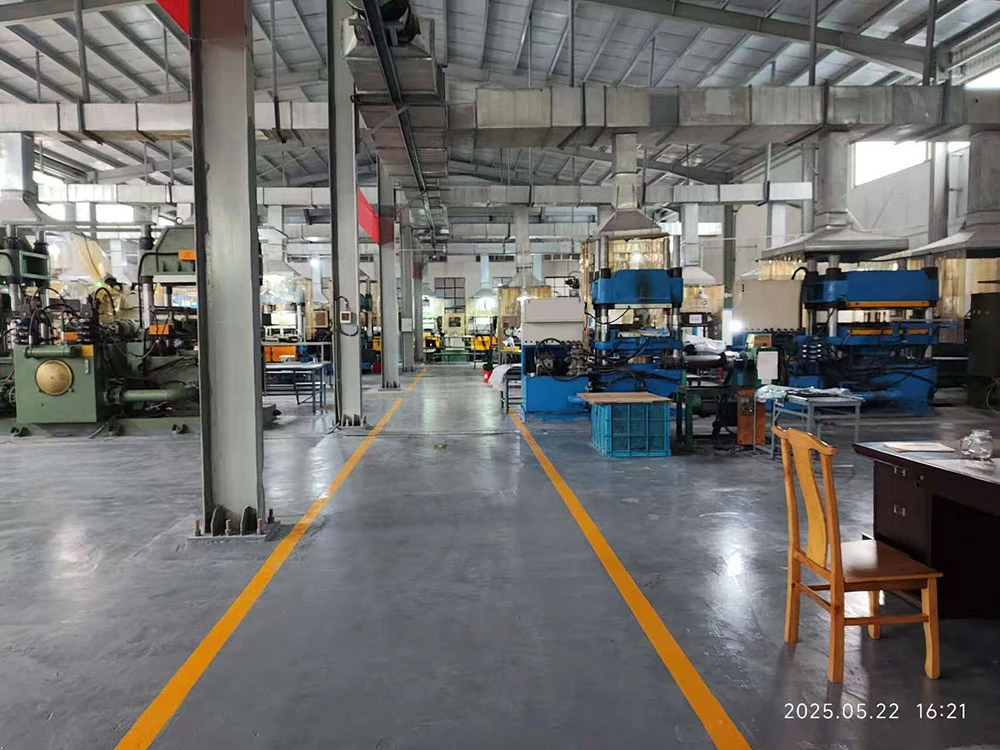
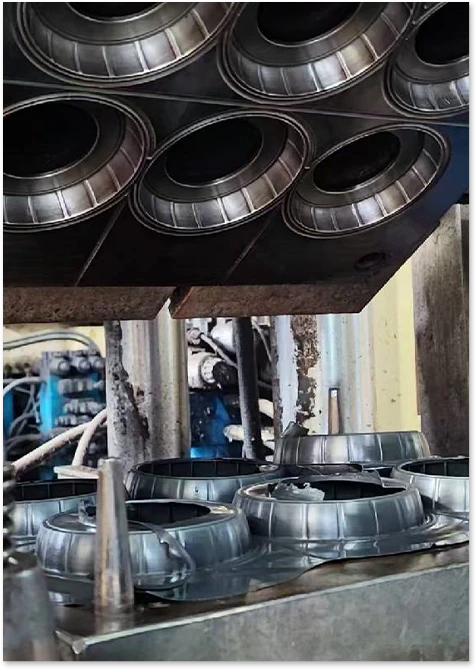
The primary material for a 1.5-inch PVC elbow is Polyvinyl Chloride, a thermoplastic polymer synthesized from vinyl chloride monomer. PVC's inherent properties – tensile strength (typically 50-70 MPa), hardness (60-80 Shore D), and low water absorption – contribute to its suitability for piping applications. Raw material quality is paramount, with formulations often incorporating stabilizers (typically calcium-zinc or lead-based, though the latter is declining due to environmental concerns), lubricants, and impact modifiers to enhance processability and long-term durability. Manufacturing typically employs injection molding. PVC resin is plasticized and fed into an injection molding machine where it is heated, injected into a mold cavity shaped like the elbow, cooled, and ejected. Critical process parameters include melt temperature (180-210°C), injection pressure (60-100 MPa), and cooling time. Mold design is critical for ensuring dimensional accuracy and smooth flow paths. Variations in these parameters directly influence the molecular weight distribution of the PVC, impacting its impact resistance and long-term creep behavior. Post-molding, elbows undergo quality control checks including dimensional verification, visual inspection for defects, and hydrostatic pressure testing to ensure compliance with relevant standards. The presence of residual stress from the molding process is a potential failure point and is mitigated through controlled cooling rates.
Performance & Engineering
The performance of a 1.5-inch PVC elbow is dictated by its ability to withstand internal pressure and external loads without failure. Force analysis centers on hoop stress induced by internal fluid pressure, calculated using the Barlow’s formula (σ = PD/2t, where σ is hoop stress, P is internal pressure, D is pipe diameter, and t is wall thickness). Engineers must consider a safety factor to account for surge pressures, water hammer, and thermal expansion. Furthermore, the elbow’s structural integrity is affected by external loads, such as soil loads in underground applications or weight from supported piping. Environmental resistance is also crucial. PVC exhibits good resistance to many acids and bases, but is susceptible to degradation by prolonged exposure to certain solvents (ketones, ethers) and UV radiation. Chemical compatibility charts are essential for ensuring the elbow’s suitability for the intended fluid. Compliance requirements vary by region and application. For potable water systems, elbows must meet NSF/ANSI 61 standards to ensure the absence of harmful contaminants. Drainage applications require adherence to local plumbing codes. Installation practices, including proper solvent cementing and support spacing, significantly impact long-term performance. Incorrect solvent welding can create weak joints prone to leakage or failure under stress.
Technical Specifications
| Parameter | Unit | Specification (Schedule 40) | Specification (Schedule 80) |
|---|---|---|---|
| Nominal Pipe Size | inch | 1.5 | 1.5 |
| Outside Diameter | inch | 1.661 | 1.661 |
| Wall Thickness | inch | 0.065 | 0.095 |
| Pressure Rating (at 73°F) | psi | 400 | 600 |
| Burst Pressure | psi | 1600 | 2400 |
| Temperature Rating | °F | -40 to 140 | -40 to 140 |
Failure Mode & Maintenance
Common failure modes for 1.5-inch PVC elbows include cracking due to excessive stress (particularly at weld joints), impact damage leading to brittle fracture, and chemical degradation causing material embrittlement. Fatigue cracking can occur in systems subject to cyclical pressure fluctuations. Environmental stress cracking (ESC) is prevalent in applications involving prolonged exposure to solvents or tensile stresses. UV degradation causes surface chalking and loss of impact resistance. Delamination can occur due to improper solvent welding or the presence of contaminants. Maintenance primarily involves visual inspection for cracks, leaks, or discoloration. Regular testing of weld joints is recommended in critical applications. If cracking is detected, the elbow must be replaced immediately. Preventive measures include protecting the elbows from direct sunlight (using UV-resistant coatings or shielding) and selecting compatible materials for the conveyed fluid. Proper support and anchoring are vital to minimize stress on the elbows. Periodic hydrostatic testing can identify hidden defects before they lead to catastrophic failure. The lifespan of a PVC elbow depends heavily on operating conditions and maintenance practices, but typically ranges from 20 to 50 years.
Industry FAQ
Q: What is the impact of varying water temperatures on the pressure rating of a 1.5-inch PVC elbow?
A: Elevated water temperatures reduce the pressure rating of PVC elbows. The pressure rating provided in specifications (e.g., 400 psi for Schedule 40) is typically at 73°F (23°C). As temperature increases, the tensile strength and stiffness of PVC decrease, leading to a derating of the pressure capacity. Manufacturers provide derating factors for different temperatures; these should be consulted for accurate calculations.
Q: How does solvent cementing technique affect the long-term reliability of a PVC elbow joint?
A: Proper solvent cementing is critical. Insufficient solvent application, inadequate dwell time, or using an incompatible primer/cement combination can result in a weak joint. A weak joint is susceptible to leakage and failure under pressure. The joint should be clean, dry, and free of contaminants. The correct solvent cement type must be selected based on the PVC formulation and application. Follow manufacturer’s instructions precisely.
Q: Can a 1.5-inch PVC elbow be used in a compressed air system, and if so, are there specific considerations?
A: While PVC can be used in low-pressure compressed air systems, it’s not ideal. PVC's impact resistance is significantly reduced at lower temperatures, making it susceptible to brittle fracture from air pressure surges or impacts. Schedule 80 PVC is preferred over Schedule 40 for compressed air applications. However, metal fittings are generally recommended for higher pressures and more demanding applications. Ensure the system is adequately filtered to prevent water contamination, which can exacerbate stress cracking.
Q: What are the implications of using lead-based stabilizers in PVC elbows, and what alternatives are available?
A: Lead-based stabilizers, historically used to prevent PVC degradation, pose environmental and health concerns. Regulations are increasingly restricting their use. Calcium-zinc stabilizers are a common and environmentally friendly alternative, though they may offer slightly reduced thermal stability. Other options include organotin stabilizers (though also facing regulatory scrutiny) and mixed metal stabilizers. The choice of stabilizer affects the long-term durability and performance characteristics of the elbow.
Q: How does UV exposure impact the service life of an outdoor PVC elbow, and what mitigation strategies are effective?
A: Prolonged UV exposure causes PVC to undergo photodegradation, leading to surface chalking, discoloration, and loss of impact resistance. This weakens the material and increases the risk of cracking. Mitigation strategies include using UV-resistant PVC formulations, applying UV-protective coatings, shielding the elbows from direct sunlight, and burying them below ground level.
Conclusion
The 1.5-inch PVC pipe elbow is a ubiquitous and cost-effective solution for directional changes in fluid conveyance systems. Its performance, however, is critically dependent on material selection, manufacturing quality, proper installation, and operational conditions. A thorough understanding of PVC’s material properties, potential failure modes, and relevant industry standards is essential for engineers and procurement professionals to ensure system reliability and longevity.
Looking forward, advancements in PVC formulation, including the development of more robust stabilizers and impact modifiers, will continue to improve the performance and durability of these components. Further research into alternative polymers with superior temperature resistance and chemical compatibility will offer additional options for demanding applications. The continued emphasis on sustainable materials and environmentally responsible manufacturing processes will drive the adoption of lead-free formulations and closed-loop recycling systems.