
Introduction
The 1-inch PVC pipe 90-degree elbow is a fundamental component in thermoplastic piping systems, utilized extensively across diverse industries including plumbing, irrigation, chemical processing, and wastewater management. Positioned as a short-radius fitting, it facilitates a 90-degree change in pipe direction, enabling complex piping layouts. Its core performance characteristics revolve around its ability to maintain fluid integrity, resist chemical corrosion, and provide a structurally sound connection with minimal pressure drop when properly installed. The selection of a 90-degree elbow over alternative bend methods (e.g., bending the pipe itself) stems from reduced stress concentration, easier installation, and standardized dimensional compatibility within PVC systems. A key industry pain point is maintaining consistent dimensional accuracy in elbows to minimize leakage and ensure long-term system reliability.
Material Science & Manufacturing
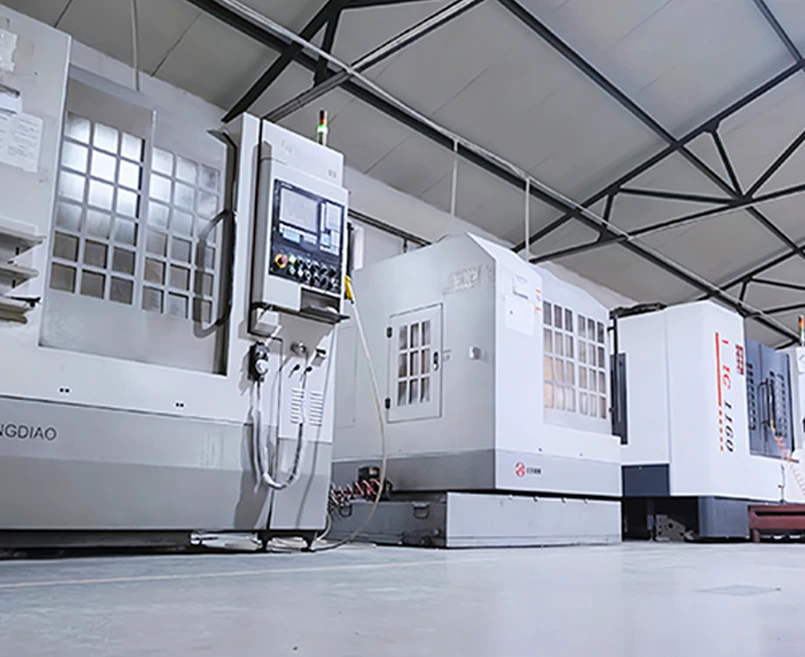
The primary material for 1-inch PVC 90-degree elbows is Polyvinyl Chloride (PVC), a thermoplastic polymer composed of approximately 57% chlorine and 43% carbon. The PVC resin used is typically a homopolymer, offering good rigidity and chemical resistance. Plasticizers are often added to modify flexibility, though Schedule 40 elbows generally utilize minimal plasticization to maintain structural integrity. Raw material properties critical to elbow performance include K-value (measuring molecular weight and impacting melt viscosity), tensile strength (ASTM D882), and impact resistance (ASTM D2561). Manufacturing commonly employs injection molding. PVC resin is compounded with stabilizers (typically calcium-zinc or lead-based, though lead is becoming less prevalent due to environmental concerns), lubricants, and processing aids. The compound is then fed into an injection molding machine where it is heated, plasticized, and injected into a mold cavity shaped like the elbow. Critical process parameters include melt temperature (typically 180-200°C), mold temperature (30-50°C), injection pressure (60-100 MPa), and cooling rate. Improper control of these parameters can lead to defects such as sink marks, weld lines, and dimensional inaccuracies. Post-molding, elbows are often subjected to quality control checks, including visual inspection for defects and dimensional measurements to ensure adherence to standards like ASTM D1785. The uniformity of material distribution within the molded elbow directly affects its resistance to stress cracking and long-term durability. The cooling phase is particularly crucial as uneven cooling induces residual stresses.
Performance & Engineering
The performance of a 1-inch PVC 90-degree elbow is heavily influenced by fluid dynamics and mechanical stress. Force analysis focuses on the hoop stress induced by internal fluid pressure, particularly during transient events (water hammer). The elbow's wall thickness, defined by its schedule (e.g., Schedule 40, Schedule 80), directly impacts its pressure-bearing capacity. The bend radius also plays a significant role; shorter radius elbows induce higher stress concentration. Environmental resistance is critical; PVC exhibits good resistance to acids, bases, and salts, but prolonged exposure to UV radiation can cause embrittlement and discoloration. Additives like UV stabilizers are incorporated to mitigate this effect. Compliance requirements are dictated by regional plumbing codes and industry standards. For potable water systems, elbows must meet NSF/ANSI 61 requirements for contaminant leaching. For pressure applications, adherence to ASTM D1785 and related standards ensures adequate burst pressure and long-term performance. The functional implementation relies on solvent cementing. Proper surface preparation (cleaning and priming) and adhesive application are essential for a watertight, structurally sound joint. The shear strength of the cement joint is a critical failure point. Engineers must also consider thermal expansion and contraction of the PVC pipe, which can induce stress at the elbow joint, especially in long piping runs. Expansion loops or flexible couplings may be required to accommodate these movements.
Technical Specifications
| Parameter | Schedule 40 | Schedule 80 | Units |
|---|---|---|---|
| Nominal Pipe Size | 1 inch | 1 inch | inch |
| Outside Diameter | 1.315 | 1.315 | inch |
| Wall Thickness | 0.065 | 0.083 | inch |
| Bend Radius | 1.5 | 1.5 | inch |
| Maximum Operating Pressure (73°F) | 450 | 600 | psi |
| Tensile Strength | 6890 | 6890 | psi |
| Impact Strength (Izod Notched) | 0.3-0.5 | 0.5-0.7 | ft-lb/in |
Failure Mode & Maintenance
Common failure modes for 1-inch PVC 90-degree elbows include cracking due to over-pressurization, stress cracking caused by prolonged exposure to certain chemicals, and joint failure resulting from improper solvent cementing. Fatigue cracking can occur in systems subjected to repeated pressure cycles or mechanical vibration. UV degradation leads to embrittlement and eventual cracking, especially in outdoor applications. Delamination can occur if the PVC material is contaminated or improperly molded. Oxidation, though slow, can also contribute to material degradation over time. Failure analysis often reveals that joint failures are the most frequent, stemming from inadequate surface preparation, insufficient adhesive application, or the use of incompatible solvents. Maintenance involves periodic visual inspection for cracks, discoloration, or leaks. Regular cleaning to remove dirt and debris helps prevent stress corrosion cracking. In cases of minor cracking, epoxy-based repair compounds can provide temporary fixes, but complete replacement is recommended for significant damage. Preventive maintenance includes using UV-resistant coatings for outdoor elbows and ensuring proper support to minimize mechanical stress. Properly torqued mechanical fittings used in conjunction with the elbow also contribute to long-term reliability. Regular monitoring of system pressure can prevent over-pressurization failures.
Industry FAQ
Q: What is the impact of different solvent cement types on the long-term reliability of a 1-inch PVC elbow joint?
A: The solvent cement type is critical. Using a cement not specifically formulated for PVC, or one incompatible with the specific PVC resin used in the elbow, can result in a weak joint prone to failure. Primer selection is equally important for softening the PVC surface for proper weld formation. Always verify compatibility between the elbow material, primer, and cement. Furthermore, the cement's temperature and humidity application limits must be observed for optimal bond strength.
Q: How does the choice between Schedule 40 and Schedule 80 affect the overall cost-benefit analysis for a piping system employing these elbows?
A: Schedule 80 elbows are more expensive upfront due to the increased material cost. However, they offer a higher pressure rating and greater mechanical strength. The cost-benefit analysis depends on the application. For low-pressure, non-critical systems, Schedule 40 is generally sufficient. For high-pressure, safety-critical applications, or systems subjected to mechanical stress, Schedule 80 provides a superior level of protection, potentially reducing long-term maintenance and replacement costs.
Q: What are the typical causes of dimensional variation in injection-molded PVC elbows and how do these variations affect system performance?
A: Dimensional variations stem from factors like mold wear, inconsistent cooling rates, and fluctuations in material shrinkage during the injection molding process. Variations in the inside diameter, bend angle, and wall thickness can lead to interference during assembly, increased stress concentration, and potential leakage points. Tight tolerances are critical for ensuring proper fit and preventing system failures.
Q: Can a 1-inch PVC elbow be used with CPVC pipe, and if not, why?
A: No, a standard PVC elbow should not be directly connected to CPVC (Chlorinated Polyvinyl Chloride) pipe. While both are PVC-based, CPVC has a higher chlorine content, resulting in greater temperature resistance and different chemical properties. CPVC requires specialized solvent cements and fittings specifically designed to bond with its molecular structure. Mixing materials can result in a weak, unreliable joint prone to premature failure.
Q: What is the role of hydrostatic testing in validating the integrity of a piping system utilizing 1-inch PVC elbows?
A: Hydrostatic testing involves pressurizing the completed piping system to a level significantly higher than its normal operating pressure and maintaining that pressure for a specified duration. This test identifies leaks, weaknesses in joints, and potential structural failures before the system is put into service. It’s a crucial quality control step to ensure the system’s long-term reliability and safety. The testing procedure should follow relevant industry standards and local plumbing codes.
Conclusion
The 1-inch PVC 90-degree elbow, while seemingly a simple component, represents a critical intersection point in thermoplastic piping systems. Its performance is inextricably linked to the properties of the PVC material, the precision of the manufacturing process, and the adherence to established engineering principles. Understanding the potential failure modes, from stress cracking to joint failures, is paramount for ensuring long-term system reliability and mitigating costly downtime.
Going forward, advancements in PVC resin technology, coupled with improved molding techniques and quality control measures, will likely lead to elbows with enhanced mechanical properties and dimensional accuracy. A continued focus on standardized installation procedures and proper solvent cementing practices will further elevate the performance and longevity of these essential piping components. Adoption of predictive maintenance strategies, utilizing data analytics to monitor system pressure and identify potential failure points, will become increasingly important in optimizing operational efficiency and preventing catastrophic failures.