
Introduction
Corrugated plastic hose, encompassing a wide variety of polymers and constructions, serves as a critical fluid transfer component across numerous industrial applications. It occupies a specific niche within the broader hose and tubing market, distinguished by its flexibility, lightweight nature, and cost-effectiveness. Unlike smooth-bore hoses relying on material elasticity for bending, corrugated hoses utilize a formed, undulating structure to achieve significant flexural capability. This inherent design minimizes stress concentration during bending, increasing fatigue life and resistance to kinking. Within the industrial chain, corrugated plastic hose functions as a vital link between source and endpoint for liquids, gases, and solids (depending on material and construction). Core performance characteristics include pressure rating, temperature resistance, chemical compatibility, and burst strength. The selection of appropriate corrugated hose necessitates a comprehensive understanding of these parameters to ensure process integrity and operational safety. A primary industry pain point centers around material selection; balancing cost with required chemical resistance and temperature performance is a constant challenge for procurement and engineering teams.
Material Science & Manufacturing
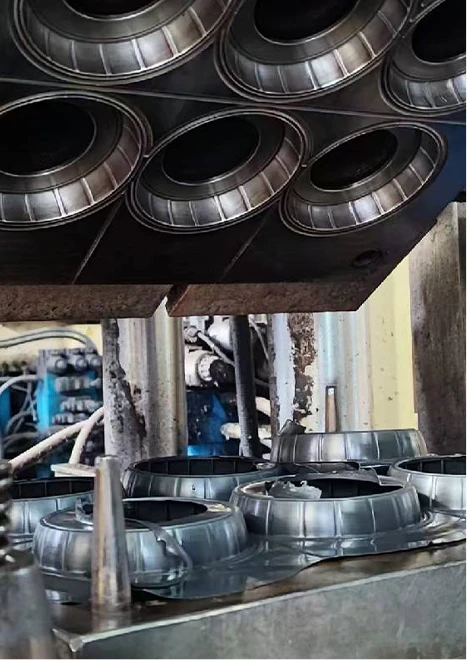
The material science underpinning corrugated plastic hose dictates its ultimate performance envelope. Common polymers include Polyethylene (PE), Polypropylene (PP), Polyvinyl Chloride (PVC), Polyamide (Nylon), and, increasingly, engineered polymers like Ethylene Vinyl Acetate (EVA) and thermoplastic polyurethanes (TPU) for specialized applications. PE and PP offer excellent chemical resistance and low cost but limited temperature ranges. PVC provides good all-around performance and is readily available, though environmental concerns related to plasticizers are growing. Nylon provides higher tensile strength and temperature resistance, making it suitable for demanding applications. Manufacturing processes vary based on the chosen polymer. Extrusion is the most prevalent method. A thermoplastic material is melted and forced through a die containing the corrugated profile. Key parameters during extrusion include melt temperature, die pressure, and cooling rate. Precise control of these parameters is crucial to ensure consistent wall thickness and corrugation geometry. Post-extrusion processes may include annealing (to relieve internal stresses), sizing (to achieve precise dimensions), and surface treatment (to enhance chemical resistance or reduce static electricity). Welding techniques, such as ultrasonic welding or hot gas welding, are used to create seamless joints and attach fittings. The crystalline structure of semi-crystalline polymers (like PE and PP) is particularly important; slower cooling rates promote larger crystallites, increasing strength and reducing permeability, but can also lead to warping. Chemical compatibility isn't solely dependent on the base polymer but also on additives such as stabilizers, plasticizers, and pigments, which can be susceptible to degradation in certain environments.
Performance & Engineering
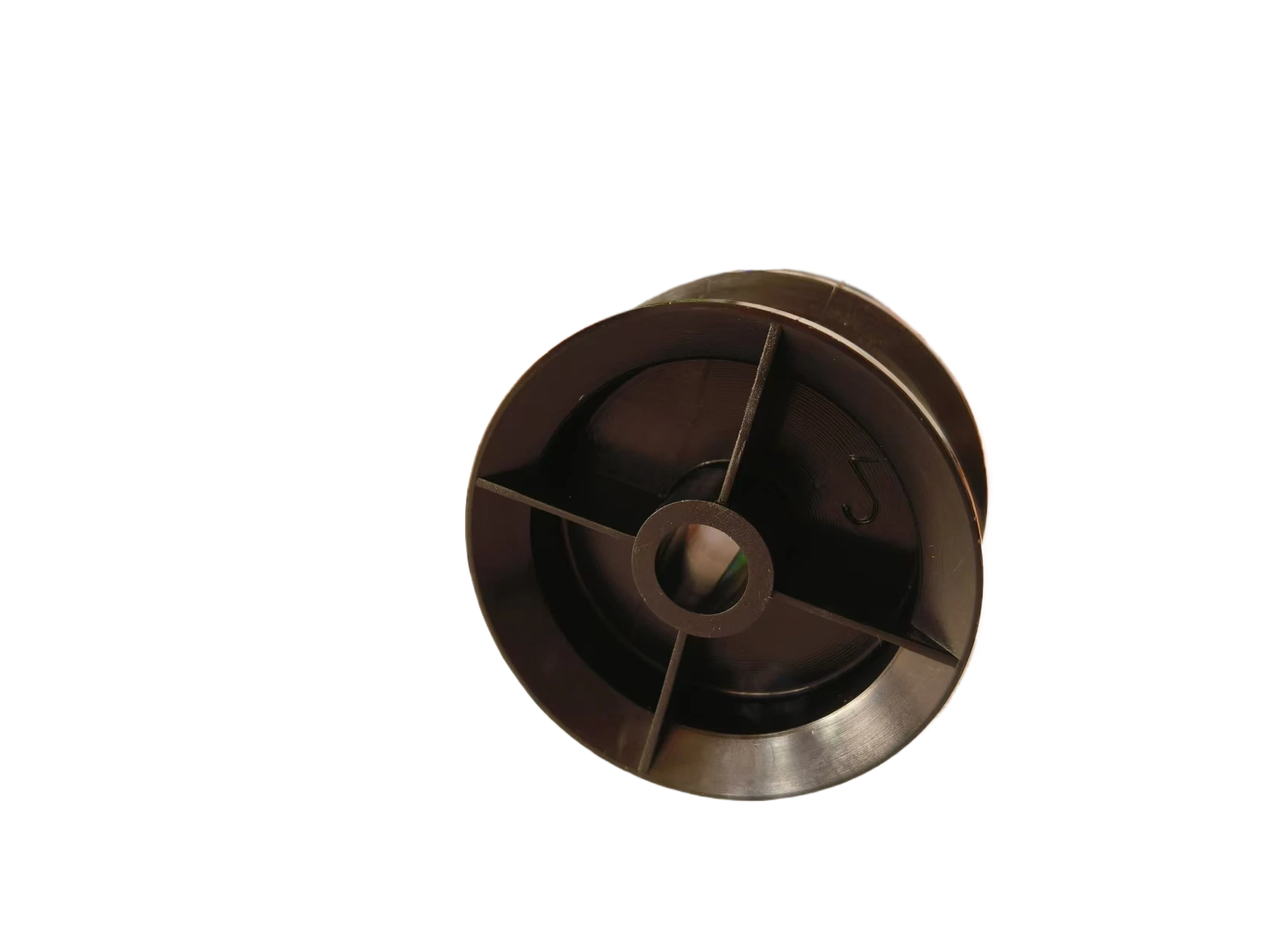
The performance of corrugated plastic hose is fundamentally governed by its structural integrity under various loading conditions. Force analysis dictates the hose's ability to withstand internal pressure, external crushing, and bending stresses. The corrugated geometry distributes stress more evenly than a smooth-bore hose, preventing localized failure. However, the corrugations themselves become stress concentrators. Finite Element Analysis (FEA) is frequently employed to model stress distribution and optimize corrugation profiles for specific applications. Environmental resistance is a critical consideration. UV exposure can cause polymer degradation, leading to embrittlement and cracking. Thermal cycling induces expansion and contraction, which can lead to fatigue failure at fittings. Chemical exposure can cause swelling, dissolution, or permeation, compromising the hose's integrity. Compliance requirements vary significantly by industry and application. Food-grade applications demand compliance with FDA regulations, requiring materials that are non-toxic and do not leach harmful substances into the conveyed fluid. Automotive applications necessitate resistance to fuels, oils, and coolants, along with adherence to stringent flammability standards. Functional implementation often involves the integration of fittings, which must provide a secure and leak-proof connection without introducing additional stress concentrations. The selection of fitting material (e.g., brass, stainless steel, plastic) must be compatible with both the hose material and the conveyed fluid.
Technical Specifications
| Parameter | Polyethylene (PE) | Polyvinyl Chloride (PVC) | Polyamide (Nylon) | Thermoplastic Polyurethane (TPU) |
|---|---|---|---|---|
| Temperature Range (°C) | -60 to 80 | -20 to 60 | -40 to 120 | -30 to 85 |
| Tensile Strength (MPa) | 10-25 | 50-70 | 60-90 | 40-60 |
| Burst Pressure (bar) | 5-15 | 10-20 | 20-30 | 15-25 |
| Chemical Resistance | Good to many acids & bases | Good to many acids & alkalis | Excellent to oils & fuels | Excellent to oils, greases & many solvents |
| Flexural Modulus (MPa) | 100-300 | 2000-3000 | 1500-2500 | 500-1000 |
| UV Resistance | Poor (requires UV stabilizers) | Moderate (requires UV stabilizers) | Good | Good (depending on formulation) |
Failure Mode & Maintenance
Corrugated plastic hose is susceptible to several failure modes in practical applications. Fatigue cracking, particularly at the corrugation peaks, is common under cyclic bending. This is exacerbated by high stress concentrations and the presence of flaws. Delamination, the separation of layers in multi-layer constructions, can occur due to poor adhesion or exposure to aggressive chemicals. Degradation, induced by UV exposure, thermal oxidation, or chemical attack, leads to embrittlement and loss of mechanical properties. Oxidation, particularly in PE and PP, can cause cross-linking and chain scission, altering the material's properties. Kinking, although less frequent than with smooth-bore hoses, can occur if the bend radius is too small. Fittings are often the point of failure, due to corrosion, loosening, or improper installation. Maintenance solutions include regular visual inspections for cracks, kinks, or discoloration. Pressure testing can identify leaks or weaknesses. Avoid exceeding the hose's pressure and temperature limits. Protect the hose from UV exposure, harsh chemicals, and extreme temperatures. Proper storage is crucial; avoid prolonged exposure to sunlight and store the hose in a cool, dry place. Periodic replacement is recommended, especially in critical applications, to prevent catastrophic failure. Implementing a preventative maintenance schedule based on application-specific conditions is essential. For nylon hoses, monitoring moisture absorption is crucial, as this can significantly reduce mechanical properties.
Industry FAQ
Q: What are the key differences between single-wall and double-wall corrugated plastic hose, and when should each be used?
A: Single-wall corrugated hose offers flexibility and lower cost, suitable for low-pressure applications like garden hoses or drainage. Double-wall construction provides significantly increased crush resistance and higher pressure capabilities, making it ideal for applications requiring protection from impact or heavy loads, such as conduit for electrical wiring or protective sleeving for cables. The added layer also enhances durability and extends service life.
Q: How does the choice of polymer affect the chemical compatibility of the hose?
A: The polymer dictates the hose’s resistance to specific chemicals. PE and PP are generally resistant to acids and bases, but vulnerable to solvents. PVC offers good resistance to many chemicals but can be attacked by ketones and esters. Nylon exhibits excellent resistance to oils and fuels. TPU provides broad chemical resistance, including resistance to abrasion and many solvents. Always consult a chemical compatibility chart before selecting a hose for a specific application.
Q: What factors should be considered when selecting fittings for corrugated plastic hose?
A: Fitting material must be compatible with both the hose material and the conveyed fluid. The connection type (e.g., barbed, threaded, quick-connect) should be appropriate for the application’s pressure and temperature requirements. Ensure a secure and leak-proof connection is achieved without over-tightening, which can damage the hose. Consider the bend radius at the fitting to avoid kinking or stress concentrations.
Q: How can I mitigate the risk of UV degradation in corrugated plastic hose used outdoors?
A: Use hoses formulated with UV stabilizers, or apply a UV-protective coating. Shield the hose from direct sunlight whenever possible, using covers or routing it through shaded areas. Regularly inspect the hose for signs of cracking or discoloration, and replace it if UV degradation is evident. Darker colored hoses generally exhibit greater UV resistance than lighter colored ones.
Q: What are the typical testing standards used to verify the performance of corrugated plastic hose?
A: Common testing standards include burst pressure testing (ASTM D2837), tensile strength testing (ASTM D638), crush resistance testing (ASTM D2412), and chemical resistance testing (ASTM D543). Temperature resistance is assessed using ASTM D790. Leak testing is performed according to various industry-specific standards. Compliance with industry regulations like REACH and RoHS is also verified.
Conclusion
Corrugated plastic hose represents a versatile and cost-effective solution for a wide range of fluid transfer applications. Its performance is intrinsically linked to material selection, manufacturing process control, and understanding of potential failure modes. The corrugated structure provides inherent flexibility and fatigue resistance, but careful consideration must be given to stress concentration at the corrugation peaks and the potential for environmental degradation. Selecting the appropriate polymer and construction, coupled with proper installation and maintenance, is paramount to ensuring long-term reliability and operational safety.
Future development in corrugated plastic hose technology will likely focus on incorporating advanced materials like nanocomposites to enhance strength, chemical resistance, and UV stability. Improvements in extrusion techniques will lead to tighter control over corrugation geometry and wall thickness, optimizing performance characteristics. The integration of sensors within the hose structure for real-time monitoring of pressure, temperature, and fluid properties represents a promising avenue for predictive maintenance and enhanced process control. Adherence to evolving industry standards and a commitment to sustainable materials will also be critical for the continued success of this essential industrial component.