

Introduction
Gas pipe supplies constitute a critical component of natural gas distribution infrastructure, facilitating the safe and efficient transport of gaseous fuels to residential, commercial, and industrial consumers. These supplies encompass a range of materials, including carbon steel, polyethylene (PE), and stainless steel, each engineered to withstand specific pressures, temperatures, and corrosive environments. The industry faces persistent challenges relating to pipeline integrity, leak detection, and adherence to stringent safety regulations. This technical guide will detail the material science, manufacturing processes, performance characteristics, failure modes, and maintenance protocols associated with gas pipe supplies, providing a comprehensive resource for engineers, procurement specialists, and industry professionals. A crucial aspect lies in understanding the impact of hydrogen blending on existing infrastructure as the energy transition accelerates. Furthermore, the selection of appropriate materials dictates the long-term reliability and operational safety of the entire gas distribution network. Ensuring compliance with applicable codes and standards is paramount throughout the lifecycle of these critical assets.
Material Science & Manufacturing
The primary materials utilized in gas pipe supplies are selected for their strength, ductility, corrosion resistance, and weldability. Carbon steel, particularly API 5L grades (e.g., X42, X52, X60), is widely employed for transmission and distribution pipelines due to its cost-effectiveness and high tensile strength. However, it is susceptible to internal corrosion from H2S and CO2, and external corrosion from soil conditions. Polyethylene (PE), specifically High-Density Polyethylene (HDPE) manufactured to standards like ASTM D3350, is increasingly utilized for lower-pressure distribution systems, offering excellent resistance to corrosion and flexibility. Stainless steel (e.g., 304, 316) is reserved for applications requiring superior corrosion resistance, such as pipelines transporting sour gas or operating in highly corrosive environments. Manufacturing processes vary depending on the material. Steel pipes are typically produced via seamless or welded construction. Seamless pipes are extruded or pierced from solid billets, offering uniform strength. Welded pipes are formed from steel plates rolled and welded longitudinally, requiring stringent quality control of the weld seam through Non-Destructive Testing (NDT) methods like ultrasonic testing (UT) and radiographic testing (RT). HDPE pipes are manufactured using extrusion processes, with critical parameters including die temperature, screw speed, and cooling rates meticulously controlled to ensure dimensional accuracy and material homogeneity. The manufacturing of each material dictates its inherent properties and long-term performance capabilities.
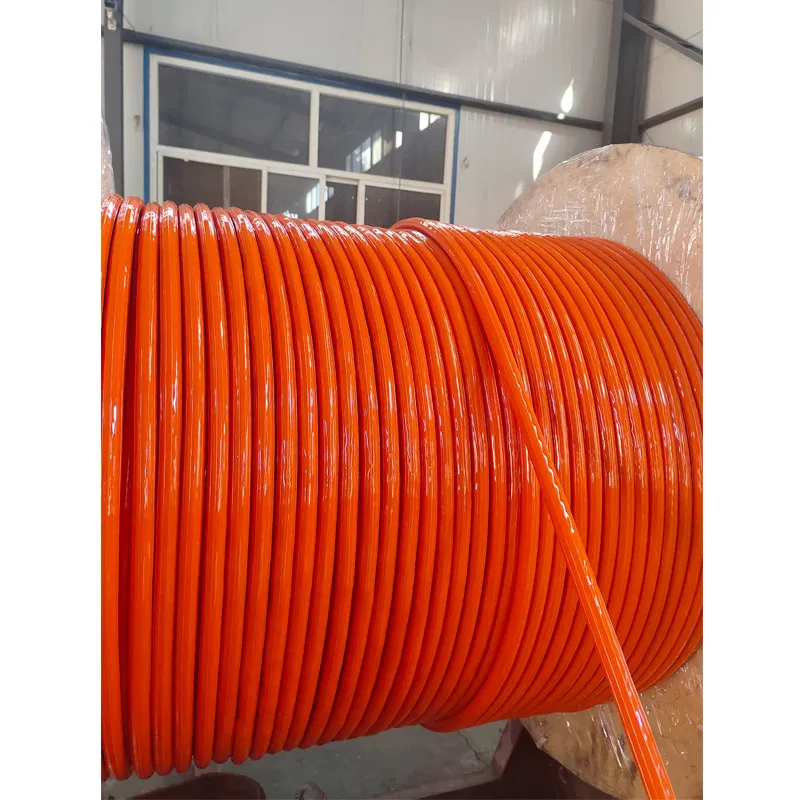
Performance & Engineering
The performance of gas pipe supplies is governed by several engineering principles, including stress analysis, fluid dynamics, and corrosion science. Pipeline design necessitates rigorous stress calculations to ensure the pipe can withstand internal pressure, external loads (soil, traffic), and thermal stresses. Hoop stress, longitudinal stress, and bending stress are critical parameters considered during design. Finite Element Analysis (FEA) is commonly employed to model complex loading scenarios and predict stress distributions. Fluid dynamics dictates the pressure drop along the pipeline, influencing flow rates and energy consumption. The Darcy-Weisbach equation and the Hazen-Williams equation are utilized to calculate pressure losses, considering pipe diameter, length, roughness, and fluid velocity. Corrosion is a major performance concern. Cathodic protection (CP), using sacrificial anodes or impressed current systems, is a widely adopted method to mitigate external corrosion. Internal corrosion is addressed through the use of corrosion inhibitors and appropriate material selection. Furthermore, compliance with regulations such as 49 CFR Part 192 (USA) and EN 15916 (Europe) mandates specific design factors, material requirements, and operating procedures to ensure public safety and environmental protection. Hydrogen embrittlement is an emerging concern with increasing hydrogen blending, requiring careful material evaluation and potentially the implementation of modified design criteria.
Technical Specifications
| Material | Diameter (inches) | Wall Thickness (inches) | Tensile Strength (psi) | Yield Strength (psi) | Maximum Operating Pressure (psi) |
|---|---|---|---|---|---|
| Carbon Steel (API 5L X42) | 6 | 0.280 | 75,000 | 42,000 | 800 |
| Carbon Steel (API 5L X60) | 12 | 0.375 | 85,000 | 60,000 | 1200 |
| HDPE (ASTM D3350) | 4 | 0.300 | 4,000 | 2,800 | 100 |
| HDPE (ASTM D3350) | 8 | 0.400 | 4,200 | 3,000 | 150 |
| Stainless Steel (304) | 2 | 0.154 | 75,000 | 30,000 | 1000 |
| Stainless Steel (316) | 4 | 0.218 | 80,000 | 35,000 | 1500 |
Failure Mode & Maintenance
Gas pipe supplies are susceptible to various failure modes, including corrosion (internal and external), stress corrosion cracking (SCC), fatigue cracking, and third-party damage. Internal corrosion, often caused by water and corrosive gases like CO2 and H2S, leads to wall thinning and eventual leakage. External corrosion is driven by soil conditions and galvanic corrosion. SCC occurs due to the combined action of tensile stress and a corrosive environment. Fatigue cracking arises from cyclic loading, such as pressure fluctuations or ground movement. Third-party damage, caused by excavation activities, is a significant risk. Regular inspection and maintenance are crucial to prevent failures. Inspection techniques include hydrostatic testing, intelligent pigging (utilizing in-line inspection tools to detect corrosion, cracks, and other defects), and visual inspection. Maintenance activities include corrosion control (cathodic protection, coatings), leak repair, and pipeline rehabilitation (e.g., sleeve repairs, composite wrapping). A robust integrity management program, incorporating data analysis, risk assessment, and preventative maintenance, is essential to ensure the long-term reliability of gas pipe supplies. Proactive monitoring for ground movement and accurate pipeline mapping are also critical preventative measures. Regular review of NDT data is essential to detect subtle changes in pipeline condition before they escalate into critical failures.
Industry FAQ
Q: What is the impact of increasing hydrogen blending on the lifespan of existing carbon steel pipelines?
A: Increasing hydrogen blending can exacerbate hydrogen embrittlement in carbon steel pipelines, potentially reducing their lifespan. Hydrogen atoms diffuse into the steel matrix, reducing ductility and increasing susceptibility to cracking. Mitigation strategies include reducing operating pressures, applying protective coatings, and conducting thorough material compatibility assessments. Future pipeline materials must be specifically designed for hydrogen transport and compatibility.
Q: How effective are different cathodic protection systems in mitigating external corrosion in varying soil conditions?
A: The effectiveness of cathodic protection depends heavily on soil resistivity. Low resistivity soils (e.g., clay) require closely spaced anodes or impressed current systems. High resistivity soils (e.g., sand) require larger anodes or more complex impressed current configurations. Regular monitoring of CP system performance (e.g., potential measurements) is crucial to ensure adequate protection.
Q: What are the key considerations when selecting between seamless and welded steel pipes for high-pressure gas transmission?
A: Seamless pipes generally offer superior strength and resistance to fatigue cracking, making them preferred for high-pressure applications. However, welded pipes are often more cost-effective. If welded pipes are used, rigorous NDT procedures (UT, RT) are essential to ensure weld quality and prevent failures. The API 5L specification dictates stringent requirements for both types of construction.
Q: How frequently should hydrostatic testing be performed on existing gas pipelines, and what acceptance criteria should be applied?
A: The frequency of hydrostatic testing is governed by regulations and risk assessments. Typically, pipelines are re-tested every 5-10 years, or after significant modifications. Acceptance criteria generally require no leaks or permanent deformation at test pressures exceeding the maximum operating pressure by a specified margin (e.g., 1.25 times MOP). Detailed inspection procedures and documentation are critical.
Q: What role does intelligent pigging play in proactive pipeline integrity management, and what types of defects can it detect?
A: Intelligent pigging is a critical proactive integrity management tool. ID tools can detect corrosion (metal loss), cracks (longitudinal, circumferential), dents, ovality, and wall thinning. The data collected allows operators to prioritize repairs and prevent failures. The selection of the appropriate pigging tool depends on the specific defects being targeted and the pipeline characteristics.
Conclusion
Gas pipe supplies are essential infrastructure components demanding a thorough understanding of material science, manufacturing processes, and engineering principles. Ensuring pipeline integrity necessitates a comprehensive approach encompassing robust design, meticulous material selection, rigorous inspection, and proactive maintenance. The integration of advanced technologies, such as intelligent pigging and advanced corrosion monitoring systems, is crucial for mitigating risks and extending the operational lifespan of these critical assets.
As the energy sector transitions towards greater reliance on renewable sources and hydrogen blending, the challenges associated with gas pipe supplies will intensify. Future research and development efforts must focus on developing materials and technologies that are compatible with hydrogen transport, resistant to embrittlement, and capable of withstanding the demands of a dynamic energy landscape. Continuous improvement in inspection techniques and integrity management practices is paramount for maintaining the safety and reliability of gas distribution networks.