
Introduction
Plastic duct fittings represent a critical component in HVAC (Heating, Ventilation, and Air Conditioning) systems, facilitating the efficient and controlled conveyance of air. Positioned within the broader building services engineering chain, these fittings connect ductwork sections, enabling direction changes, branching, and transitions in duct size. Primarily constructed from thermoplastic polymers, they offer a lighter-weight and corrosion-resistant alternative to traditional metal ducting. Core performance characteristics include airtightness, pressure drop minimization, and compatibility with varying temperature and humidity conditions. The increasing adoption of plastic duct fittings is driven by demands for improved indoor air quality, energy efficiency, and reduced installation costs. A key industry pain point revolves around ensuring consistent material quality, particularly concerning flame retardancy and long-term structural integrity under sustained mechanical stress and UV exposure.
Material Science & Manufacturing
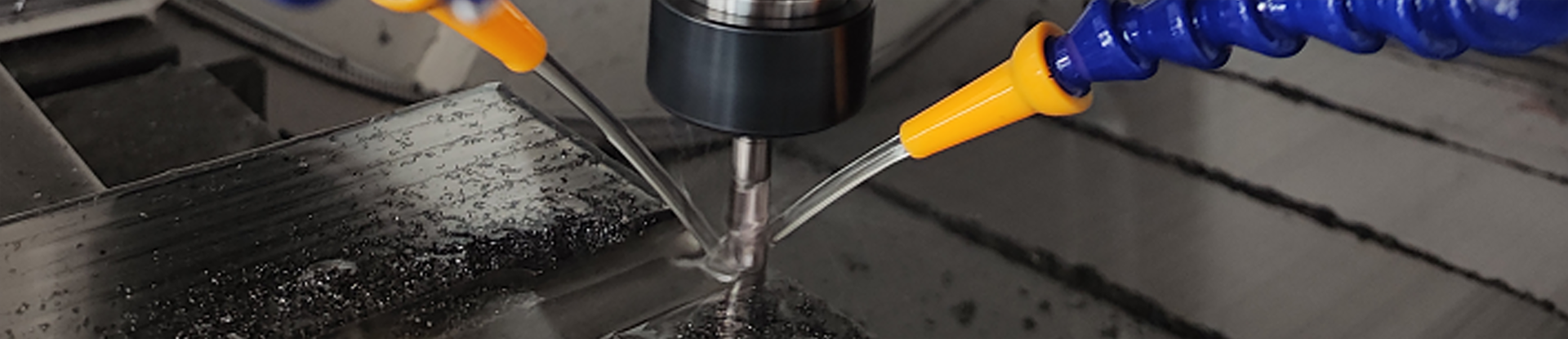
The predominant materials used in plastic duct fitting manufacture are Polyvinyl Chloride (PVC), Polypropylene (PP), and increasingly, Polyethylene (PE). PVC offers good rigidity and chemical resistance but can become brittle at low temperatures. PP demonstrates superior temperature resistance and impact strength. PE, particularly High-Density Polyethylene (HDPE), exhibits excellent moisture resistance and weldability. The raw materials’ physical properties are critical: tensile strength (typically 40-60 MPa for PVC, 20-30 MPa for PP), elongation at break (2-5% for PVC, 10-20% for PP), and Vicat softening temperature (approximately 80°C for PVC, 130°C for PP). Manufacturing processes vary based on fitting complexity. Injection molding is common for smaller, geometrically simple fittings like elbows and tees. Extrusion is utilized for producing straight duct sections and larger fittings. Thermoforming creates rectangular or oval fittings. Critical parameters during injection molding include melt temperature (180-220°C for PVC, 200-250°C for PP), mold temperature (30-50°C), and injection pressure (50-100 MPa). Extrusion requires precise control of die temperature (170-230°C) and screw speed to ensure uniform wall thickness. Post-production quality control includes dimensional accuracy checks, pressure testing for leak tightness, and impact resistance testing to verify material conformity to standards.
Performance & Engineering
The performance of plastic duct fittings is fundamentally governed by fluid dynamics and structural mechanics. Force analysis considers static loads from duct weight and dynamic loads from air pressure and vibration. Fittings must withstand internal positive and negative pressures without deformation or failure. Environmental resistance is paramount, particularly UV degradation from sunlight exposure and resistance to chemical attack from airborne contaminants. Duct fittings must meet relevant building codes concerning fire safety; flame retardancy is achieved through the addition of halogenated or phosphorus-based additives to the polymer matrix. Compliance with SMACNA (Sheet Metal and Air Conditioning Contractors’ National Association) standards is crucial in many jurisdictions, dictating acceptable pressure drop rates, duct leakage limits, and fitting dimensions. Engineers must also account for thermal expansion and contraction of the plastic materials, especially in systems with significant temperature fluctuations. Proper sealing techniques, utilizing appropriate gaskets and adhesives, are vital to prevent air leakage and maintain system efficiency. Computational Fluid Dynamics (CFD) modeling is increasingly used to optimize fitting designs for minimal pressure drop and even air distribution. Furthermore, electrostatic discharge (ESD) considerations are relevant in environments where sensitive electronic equipment is present.
Technical Specifications
| Material | Operating Temperature Range (°C) | Maximum Operating Pressure (Pa) | Tensile Strength (MPa) |
|---|---|---|---|
| PVC | -10 to 60 | 2000 | 55 |
| PP | -20 to 90 | 1500 | 25 |
| HDPE | -40 to 70 | 1800 | 35 |
| ABS | -40 to 85 | 1200 | 40 |
| CPVC | -15 to 93 | 2500 | 60 |
| PVDF | -40 to 150 | 3000 | 50 |
Failure Mode & Maintenance
Plastic duct fittings are susceptible to several failure modes. Fatigue cracking can occur at stress concentration points (e.g., weld seams, corners) due to repeated air pressure fluctuations and vibration. UV degradation causes embrittlement and loss of impact strength, particularly in outdoor applications. Chemical attack from corrosive gases or liquids can lead to material swelling, cracking, or dissolution. Delamination can occur in multi-layer fittings if the adhesive bond weakens. Oxidation can degrade the polymer matrix over time, reducing its mechanical properties. Proper maintenance involves periodic visual inspection for cracks, deformation, or discoloration. Joints should be checked for air leakage and resealed as necessary. Fittings exposed to direct sunlight should be coated with a UV-protective sealant. Cleaning should be performed with mild detergents and water, avoiding abrasive cleaners that can scratch the surface. In cases of significant damage or degradation, the fitting should be replaced. Preventative maintenance programs incorporating regular inspections and timely repairs can significantly extend the service life of plastic duct systems. Root cause analysis of failures, including material testing and stress analysis, is crucial to prevent recurrence.
Industry FAQ
Q: What is the impact of differing duct fitting materials (PVC, PP, HDPE) on overall system pressure drop?
A: The surface roughness of the material significantly influences pressure drop. PP generally has a higher surface roughness than PVC or HDPE, leading to slightly higher pressure losses. However, the impact is usually minimal unless the duct run is exceptionally long. Fitting geometry and the presence of sharp bends have a much greater effect on pressure drop than material choice alone.
Q: How do plastic duct fittings perform in high-humidity environments and what precautions should be taken?
A: While most plastics exhibit good moisture resistance, prolonged exposure to high humidity can promote mold growth on the interior surfaces, particularly if the system isn’t adequately filtered. HDPE offers superior moisture barrier properties. Ensure proper condensation control through insulation and vapor barriers. Antimicrobial additives can be incorporated into the plastic formulation to inhibit mold growth.
Q: What are the critical considerations for joining plastic duct fittings – adhesive bonding versus welding?
A: Adhesive bonding is suitable for smaller fittings and repairs, but the long-term durability depends heavily on adhesive selection and surface preparation. Welding (heat fusion) provides a stronger, more airtight seal, particularly for larger diameter fittings. Welding requires specialized equipment and trained personnel. The compatibility of the welding rod and base material is crucial.
Q: How does UV exposure affect the long-term performance of plastic duct fittings installed outdoors?
A: UV radiation causes chain scission in the polymer, leading to embrittlement, cracking, and discoloration. UV stabilizers are added to the plastic formulation to mitigate this effect, but their effectiveness diminishes over time. Protective coatings or shading can significantly extend the service life of outdoor fittings. Consider using UV-resistant grades of plastic specifically designed for exterior applications.
Q: What fire safety standards must plastic duct fittings meet, and what testing is typically required?
A: Plastic duct fittings must typically meet UL 181 (Underwriters Laboratories) standard for fire resistance and limited smoke development. Testing includes flame spread, smoke density, and toxicity of combustion products. Flame retardant additives are essential to achieve compliance. Specific requirements vary depending on local building codes.
Conclusion
Plastic duct fittings offer a compelling combination of performance, cost-effectiveness, and corrosion resistance for modern HVAC systems. Their selection and implementation, however, demand a thorough understanding of material properties, manufacturing processes, and potential failure modes. Optimizing fitting design to minimize pressure drop, ensuring proper sealing techniques to prevent air leakage, and proactively addressing UV degradation are critical for maximizing system efficiency and longevity.
Future advancements are likely to focus on the development of more sustainable plastic materials, incorporating recycled content and biodegradable polymers. Increased utilization of advanced modeling techniques, such as CFD and Finite Element Analysis (FEA), will further refine fitting designs for enhanced performance and durability. Continuous monitoring of industry standards and building codes is essential to ensure ongoing compliance and safety.