
Introduction
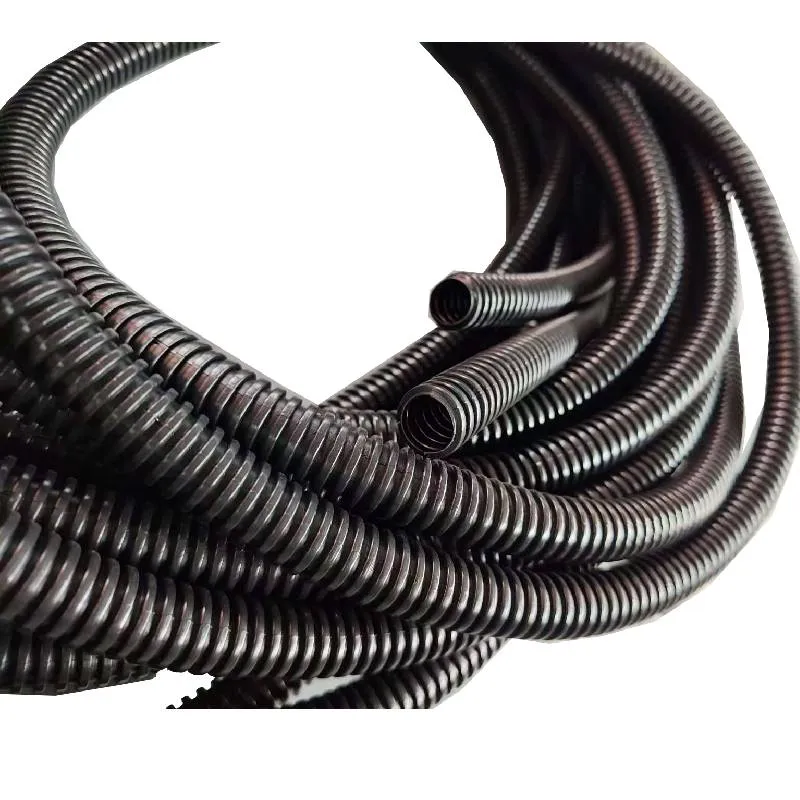
Plastic medical accessories encompass a broad range of components utilized in healthcare settings, from disposable syringes and IV connectors to housings for diagnostic equipment and surgical instruments. These components are predominantly manufactured from thermoplastic polymers selected for their biocompatibility, sterilization compatibility, dimensional stability, and cost-effectiveness. Their technical position within the medical device supply chain is critical; they are often direct patient contact materials and, therefore, subject to rigorous regulatory scrutiny. Core performance characteristics include maintaining sterility, resisting degradation from chemical disinfectants, providing precise fluid delivery, and ensuring patient safety through the absence of leachables or extractables. The increasing demand for minimally invasive procedures and personalized medicine drives the need for increasingly sophisticated and specialized plastic medical accessories, necessitating advanced material selection and manufacturing techniques.
Material Science & Manufacturing
The primary raw materials for plastic medical accessories include Polypropylene (PP), Polyethylene (PE), Polyvinyl Chloride (PVC), Polystyrene (PS), Polycarbonate (PC), and Polyetheretherketone (PEEK). PP offers good chemical resistance and is often used for syringes and containers. PE, particularly Low-Density PE (LDPE) and High-Density PE (HDPE), is employed for flexible tubing and packaging. PVC, while decreasing in use due to environmental concerns surrounding plasticizers, remains common for IV bags and tubing. PC provides high impact resistance and clarity, utilized in housings and connectors. PEEK offers exceptional strength, heat resistance, and biocompatibility, making it suitable for implantable components and high-performance instruments. Manufacturing processes vary significantly based on the accessory type. Injection molding is dominant for high-volume, intricate parts like syringe barrels and connectors. Extrusion is used for tubing and profiles. Thermoforming creates disposable trays and packaging. Critical parameters in injection molding include melt temperature, mold temperature, injection pressure, and cooling time. These parameters influence the material’s crystallinity, mechanical properties, and dimensional accuracy. For extrusion, die temperature, screw speed, and haul-off speed are crucial. Material selection dictates processing parameters; for example, PEEK requires significantly higher processing temperatures than PP. Post-processing operations, like ultrasonic welding and laser marking, are frequently employed to assemble components and ensure traceability.
Performance & Engineering
Performance analysis of plastic medical accessories focuses on several key areas. Sterilization resistance is paramount; accessories must withstand repeated autoclaving (steam sterilization), ethylene oxide (EtO) sterilization, or gamma irradiation without significant degradation of mechanical properties or release of harmful substances. Force analysis is crucial for components subjected to stress, such as syringe plungers or catheter connectors. Finite Element Analysis (FEA) is often employed to simulate stress distribution and optimize designs to prevent failure. Environmental resistance is another critical factor. Exposure to disinfectants (e.g., isopropyl alcohol, hydrogen peroxide), bodily fluids, and UV radiation can cause material degradation. Biocompatibility testing, as per ISO 10993, is mandatory to ensure that the materials do not elicit adverse reactions from the body. Leak testing is vital for fluid-handling components to prevent contamination. Compliance requirements include adherence to FDA regulations (21 CFR Part 820) for medical device quality systems, as well as relevant ISO standards (e.g., ISO 13485 for quality management, ISO 14971 for risk management). Design validation and verification procedures are essential to demonstrate that the accessories meet specified performance criteria.
Technical Specifications
| Material | Tensile Strength (MPa) | Flexural Modulus (GPa) | Heat Deflection Temperature (°C) | Water Absorption (%) | Sterilization Compatibility |
|---|---|---|---|---|---|
| Polypropylene (PP) | 20-30 | 1.1-1.7 | 60-80 | 0.05-0.15 | Autoclave, EtO, Gamma |
| Polyethylene (PE) | 8-12 | 0.2-0.4 | 40-60 | 0.2-0.4 | Autoclave, EtO |
| Polyvinyl Chloride (PVC) | 40-60 | 2.5-3.5 | 70-80 | 0.3-0.8 | Autoclave, EtO, Gamma (with stabilizers) |
| Polycarbonate (PC) | 55-65 | 2.3-2.6 | 135-150 | 0.1-0.3 | Autoclave, EtO, Gamma |
| Polyetheretherketone (PEEK) | 90-100 | 3.6-4.0 | 160-170 | 0.1-0.2 | Autoclave, EtO, Gamma |
| Polystyrene (PS) | 30-40 | 2.0-2.5 | 80-100 | 0.1-0.3 | Gamma (limited EtO) |
Failure Mode & Maintenance
Common failure modes in plastic medical accessories include stress cracking (induced by sustained tensile stress in the presence of chemicals), fatigue cracking (from repeated cyclic loading), crazing (formation of micro-voids leading to reduced strength and transparency), and environmental stress cracking (ESC). Degradation due to UV exposure causes embrittlement and discoloration. Leaching of plasticizers from PVC can compromise biocompatibility. Oxidation can occur with prolonged exposure to oxygen, especially at elevated temperatures. Delamination can occur in multi-layer components. Failure analysis involves techniques like microscopy (SEM, optical), FTIR spectroscopy (to identify material changes), and mechanical testing. Maintenance of plastic medical accessories is typically limited to visual inspection for cracks, discoloration, or deformation. Disposable accessories are not intended for reuse and should be discarded after a single use. Reusable accessories require cleaning and sterilization according to manufacturer's instructions. Proper storage conditions (temperature, humidity, UV protection) are essential to prevent degradation. Preventative measures include selecting materials with high chemical resistance, designing components with generous radii to minimize stress concentrations, and implementing rigorous quality control procedures during manufacturing.
Industry FAQ
Q: What are the key considerations when selecting a plastic material for a component that will be repeatedly sterilized via autoclaving?
A: The material must exhibit excellent resistance to thermal degradation and hydrolysis at elevated temperatures (typically 121-134°C). Polypropylene (PP), Polycarbonate (PC) and PEEK are commonly used. It's crucial to assess the material’s dimensional stability after multiple autoclave cycles. Considerations also include the potential for leaching of additives during sterilization and the material’s compatibility with the autoclave’s cleaning agents.
Q: How do you ensure the biocompatibility of a new plastic medical accessory?
A: Biocompatibility testing is mandatory and follows ISO 10993 guidelines. This involves a series of tests including cytotoxicity, sensitization, irritation, acute systemic toxicity, and implantation studies, depending on the intended use of the device. The choice of material grade and additives is critical, as some substances can be toxic. Thorough documentation of material composition and testing results is essential for regulatory submission.
Q: What is Environmental Stress Cracking (ESC) and how can it be prevented?
A: ESC is the premature failure of a plastic component under tensile stress in the presence of a chemical environment. It's not a material property alone, but a combination of stress, chemical exposure and material susceptibility. Prevention involves selecting materials with high chemical resistance, minimizing stress concentrations in the design, avoiding contact with incompatible chemicals, and controlling the environmental conditions.
Q: What are the implications of using phthalate plasticizers in PVC medical accessories?
A: Phthalates are known endocrine disruptors and their use in medical devices is increasingly restricted due to health concerns. Alternatives include non-phthalate plasticizers like DEHT (di(2-ethylhexyl) terephthalate) and DOTP (dioctyl terephthalate). The choice of plasticizer impacts the material’s flexibility, durability and biocompatibility, so careful evaluation is necessary.
Q: How can FEA be used to optimize the design of a plastic syringe barrel?
A: FEA can simulate the stress distribution within the syringe barrel during plunger actuation. This allows engineers to identify areas of high stress concentration and optimize the design to prevent cracking or deformation. FEA can also be used to evaluate the barrel’s resistance to buckling under pressure. By virtually prototyping and testing different designs, FEA reduces the need for costly physical prototypes and accelerates the development process.
Conclusion
Plastic medical accessories are indispensable components in modern healthcare, demanding a nuanced understanding of material science, manufacturing processes, and performance requirements. The selection of appropriate polymers, meticulous control of manufacturing parameters, and rigorous testing are essential to ensure patient safety and device efficacy. The trend towards miniaturization, biocompatible materials, and advanced sterilization techniques will continue to drive innovation in this field.
Future developments will likely focus on sustainable materials and manufacturing processes, addressing the environmental concerns associated with traditional plastics. Furthermore, the integration of smart technologies, such as sensors and microfluidics, into plastic medical accessories will enable personalized medicine and enhance diagnostic capabilities. Continued adherence to stringent regulatory standards and a commitment to continuous improvement are paramount for maintaining the integrity and reliability of these critical healthcare components.