
Introduction
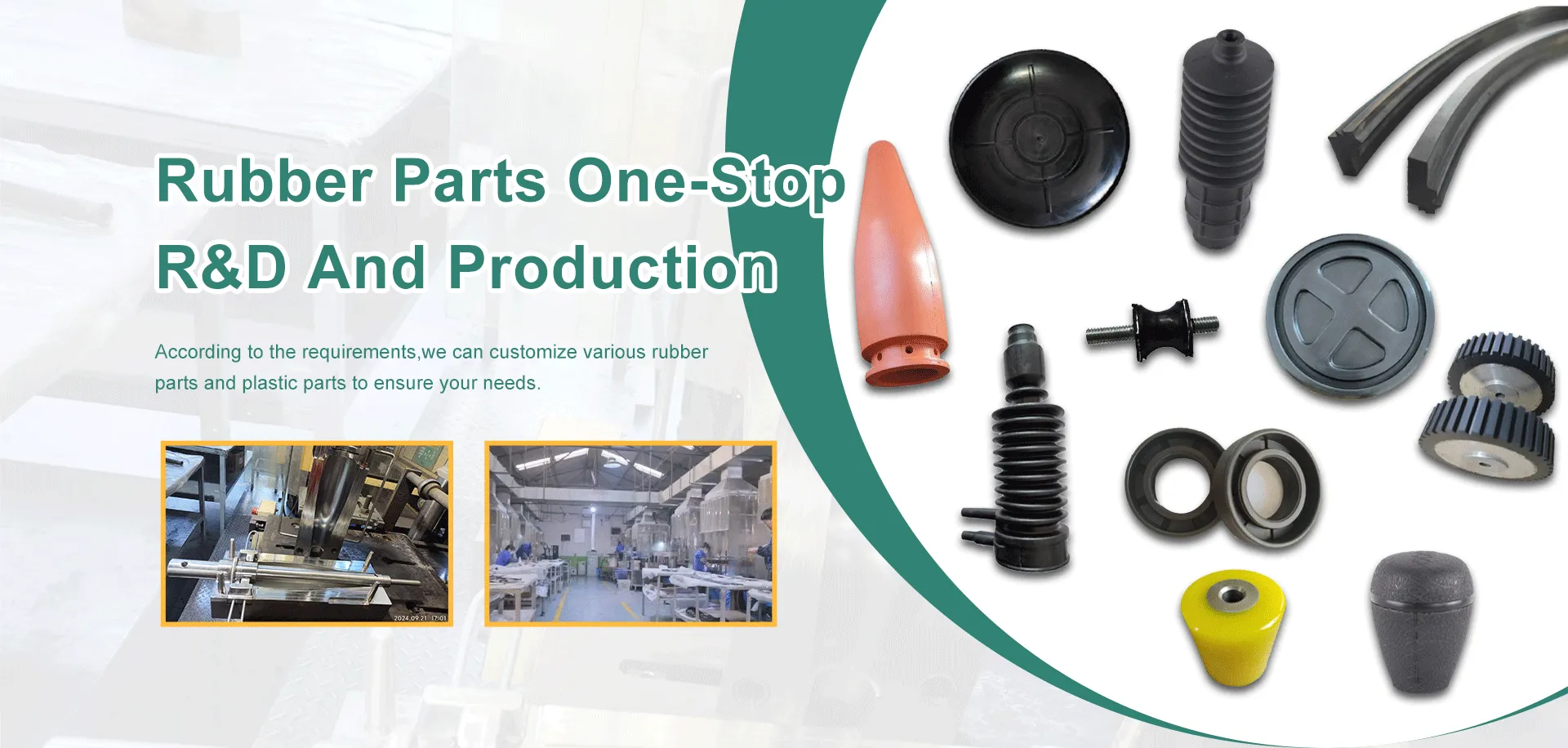
Plastic shells, ubiquitous in modern manufacturing, represent a critical component across diverse industries including automotive, consumer electronics, medical devices, and industrial equipment. Functioning as protective enclosures, aesthetic housings, and structurally integral parts, these shells are primarily fabricated from thermoplastic and thermosetting polymers. Their technical position within the value chain is significant, acting as the final or near-final stage of product assembly, directly impacting product performance, durability, and market appeal. Core performance characteristics are defined by mechanical strength (tensile, flexural, impact), thermal stability, chemical resistance, and dimensional accuracy, tailored to the specific application demands. The selection of appropriate polymer materials and manufacturing processes is paramount to meeting these performance criteria and ensuring product reliability. Failure to adequately specify and manufacture plastic shells can lead to premature product failure, warranty claims, and reputational damage.
Material Science & Manufacturing
The raw materials for plastic shells encompass a wide range of polymers. Common thermoplastics include Polypropylene (PP), Polyethylene (PE), Acrylonitrile Butadiene Styrene (ABS), Polycarbonate (PC), Polyamide (Nylon), and Polyoxymethylene (POM). Thermosets, such as epoxy resins and phenolic resins, offer superior thermal and chemical resistance, but are generally more difficult to process. Material properties are dictated by molecular weight, crystallinity, and the presence of additives like glass fibers, mineral fillers, and flame retardants. PP and PE provide good chemical resistance and low cost, but limited high-temperature performance. ABS offers a balance of impact strength and rigidity. PC provides high impact strength and transparency. Nylon offers good abrasion resistance and strength.
Manufacturing processes vary depending on the desired shell complexity, production volume, and material type. Injection molding is the most prevalent method, offering high precision and repeatability for large-scale production. Parameters such as melt temperature, mold temperature, injection pressure, and cooling rate critically influence the final product’s mechanical properties and dimensional accuracy. Blow molding is used for hollow shells like containers. Thermoforming, involving heating a plastic sheet and forming it over a mold, is suitable for lower-volume production. Rotational molding is used to create large, hollow parts with uniform wall thickness. Extrusion is utilized for continuous profiles. Critical process controls include resin drying to prevent hydrolysis, careful temperature monitoring to avoid thermal degradation, and proper venting to eliminate trapped gases. Post-processing operations like painting, coating, and assembly complete the manufacturing process. Material shrinkage rates during cooling must be precisely accounted for in mold design to ensure dimensional tolerances are met. Degradation of the polymer during processing (e.g., chain scission, oxidation) can compromise mechanical properties; therefore, maintaining optimal processing conditions is essential.
Performance & Engineering
The performance of a plastic shell is fundamentally governed by stress-strain analysis, considering both static and dynamic loading conditions. Finite Element Analysis (FEA) is routinely employed to predict stress distribution, deflection, and potential failure points under various loads. Environmental resistance is also crucial. Exposure to UV radiation can cause polymer degradation, leading to discoloration and embrittlement. Chemical exposure (acids, bases, solvents) can cause swelling, cracking, or dissolution. Temperature variations can induce thermal expansion or contraction, potentially leading to stress cracking or warping. Compliance requirements, dictated by industry standards (e.g., UL for flammability, RoHS for hazardous substances, REACH for chemical restrictions), necessitate careful material selection and testing. Flame retardancy is often a critical requirement, achieved through the addition of halogenated or phosphorus-based additives. Dimensional stability, particularly in high-precision applications, requires consideration of the polymer’s coefficient of thermal expansion and creep behavior. Impact resistance is paramount in applications where the shell is exposed to potential impacts, necessitating material selection and design optimization for energy absorption. The design should also account for fatigue loading, which can lead to crack initiation and propagation over time. The integration of features like ribs, bosses, and snap-fit mechanisms requires detailed engineering analysis to ensure structural integrity and functionality.
Technical Specifications
| Material | Tensile Strength (MPa) | Impact Strength (Izod Notched, kJ/m²) | Heat Deflection Temperature (°C) | Water Absorption (% after 24h) | Flammability Rating (UL94) |
|---|---|---|---|---|---|
| ABS | 40-50 | 5-15 | 85-105 | 1.0-1.5 | HB |
| Polypropylene (PP) | 20-30 | 3-8 | 60-80 | 0.05-0.2 | HB |
| Polycarbonate (PC) | 60-70 | 60-80 | 135-150 | 0.1-0.3 | V0 |
| Polyamide 6 (Nylon 6) | 60-80 | 40-60 | 80-100 | 1.3-1.5 | V2 |
| Polyethylene (PE) | 10-20 | 2-5 | 50-70 | 0.02-0.1 | HB |
| Acrylonitrile Styrene Acrylate (ASA) | 35-45 | 8-20 | 90-110 | 0.5-1.0 | HB |
Failure Mode & Maintenance
Plastic shells are susceptible to various failure modes. Environmental Stress Cracking (ESC) occurs when a combination of stress and exposure to certain chemicals causes crack initiation and propagation. UV degradation leads to surface chalking, discoloration, and loss of mechanical properties. Impact damage can cause cracking, shattering, or deformation. Fatigue cracking arises from repeated loading, leading to crack initiation at stress concentration points. Creep, the time-dependent deformation under sustained load, can lead to dimensional instability. Oxidation can cause embrittlement and loss of ductility. Delamination can occur in composite structures.
Preventive maintenance involves regular inspection for cracks, discoloration, or deformation. Cleaning with mild detergents and avoiding harsh chemicals can minimize chemical attack. UV protective coatings can extend service life in outdoor applications. Impact protection measures, such as cushioning or reinforcement, can mitigate damage. If cracks are detected, repair may be possible using specialized adhesives or welding techniques, depending on the material and application. Proper storage conditions (temperature, humidity, UV exposure) are crucial to prevent degradation. For thermoset shells, damage is often irreparable and replacement is the recommended course of action. Regularly reviewing process parameters during manufacturing, such as cooling rates and material drying times, can reduce internal stresses and prevent premature failure. Implementing a robust quality control system that includes destructive and non-destructive testing (e.g., impact testing, tensile testing, ultrasonic inspection) is vital.
Industry FAQ
Q: What is the primary difference between using ABS and Polycarbonate for an outdoor enclosure?
A: While both ABS and Polycarbonate offer good impact resistance, Polycarbonate exhibits significantly superior UV resistance and higher heat deflection temperature, making it the preferred choice for outdoor enclosures where prolonged exposure to sunlight and temperature fluctuations is anticipated. ABS will degrade faster under UV exposure, becoming brittle and discolored. Polycarbonate’s inherent clarity also allows for potential integration of light-transmitting features.
Q: How does glass fiber reinforcement affect the performance of a plastic shell?
A: The addition of glass fibers significantly enhances the mechanical properties of a plastic shell, including tensile strength, flexural modulus, and impact resistance. However, it can also reduce ductility and increase brittleness. Glass fiber reinforcement also improves dimensional stability and reduces creep. The percentage of glass fiber added must be carefully optimized based on the specific application requirements to achieve the desired balance of properties.
Q: What testing is crucial to ensure a plastic shell meets RoHS and REACH compliance?
A: RoHS compliance requires testing for the presence of restricted substances like lead, mercury, cadmium, hexavalent chromium, PBBs, and PBDEs. REACH compliance involves assessing the use of Substances of Very High Concern (SVHCs). Testing typically involves X-ray fluorescence (XRF) for elemental analysis and gas chromatography-mass spectrometry (GC-MS) for organic compounds. Material Safety Data Sheets (MSDS) and supplier declarations of conformity are essential documentation.
Q: What are the implications of varying injection molding cooling rates on the final part properties?
A: Faster cooling rates generally lead to higher crystallinity in semi-crystalline polymers (like PP and PE), increasing strength and stiffness but potentially causing warpage due to uneven shrinkage. Slower cooling rates promote more uniform shrinkage and reduce warpage, but can result in lower crystallinity and reduced strength. Optimal cooling rates must be determined through mold flow analysis and process optimization to achieve the desired balance of properties and dimensional accuracy.
Q: What strategies can be employed to mitigate environmental stress cracking in a polypropylene shell?
A: Mitigating ESC involves selecting a PP grade with higher ESC resistance, avoiding contact with aggressive chemicals, reducing stress concentrations through optimized design, and employing surface treatments to enhance chemical resistance. Increasing the molecular weight of the PP can also improve ESC resistance. Proper mold design to minimize internal stresses is also crucial.
Conclusion
Plastic shells represent a sophisticated engineering component requiring careful consideration of material science, manufacturing processes, and performance requirements. The selection of the appropriate polymer and manufacturing technique is critical to achieving desired mechanical properties, environmental resistance, and compliance with industry standards. A thorough understanding of potential failure modes and implementation of preventative maintenance strategies are essential for ensuring long-term reliability and minimizing lifecycle costs.
Future advancements in plastic shell technology will likely focus on the development of bio-based and biodegradable polymers, improved recycling processes, and the integration of smart materials and sensors. Continued refinement of FEA techniques and the adoption of advanced manufacturing methods, such as additive manufacturing, will further enhance the design freedom and performance capabilities of plastic shell structures, allowing for more complex geometries and optimized material distribution. The ongoing drive towards sustainability and circular economy principles will necessitate a greater emphasis on material selection, design for disassembly, and end-of-life management of plastic shell components.