
Introduction
Polyvinyl chloride (PVC) conduit and fittings represent a ubiquitous component in modern electrical infrastructure, serving as a protective raceway for electrical wiring. Positioned downstream from petrochemical feedstock production, PVC conduit competes with metallic conduit systems (steel, aluminum) and other non-metallic options (e.g., fiberglass) based on cost, weight, corrosion resistance, and installation requirements. Its primary function is to safely encapsulate and route electrical conductors, protecting them from physical damage, moisture, chemicals, and fire. PVC conduit systems are widely employed in residential, commercial, and industrial applications, particularly in corrosive environments or where non-conductive properties are critical. Core performance characteristics include dielectric strength, impact resistance (measured by foot-pounds of energy to cause cracking), tensile strength, and long-term UV resistance. The industry frequently faces challenges related to maintaining consistent material quality, addressing temperature sensitivity, and ensuring compliance with evolving electrical codes and environmental regulations.
Material Science & Manufacturing
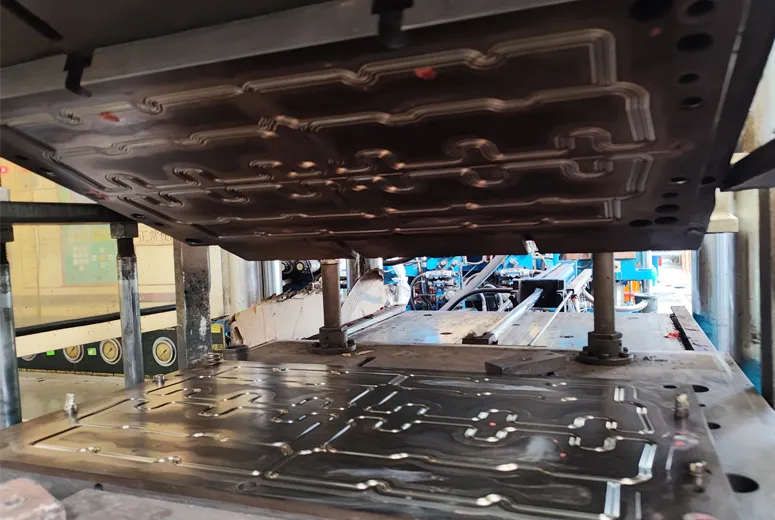
PVC conduit is primarily manufactured from polyvinyl chloride resin, a thermoplastic polymer produced by the polymerization of vinyl chloride monomer (VCM). Additives are critical to modifying PVC’s inherent properties. Plasticizers, typically phthalates or increasingly, bio-based alternatives, enhance flexibility and impact resistance. Stabilizers, such as tin-based compounds or calcium-zinc formulations, protect against thermal degradation during processing and service life. Lubricants aid in extrusion and reduce friction. Pigments, most commonly titanium dioxide, provide opacity and UV protection. Manufacturing typically involves compounding the PVC resin with these additives, followed by extrusion. Extrusion parameters – barrel temperature profile, screw speed, die pressure – are meticulously controlled to achieve desired conduit dimensions, wall thickness, and surface finish. Fittings are often produced through injection molding, utilizing similar PVC compounds. Critical manufacturing parameters include maintaining consistent compound homogeneity, ensuring proper fusion of the PVC material during extrusion/molding, and dimensional accuracy to facilitate secure connections. Chemical compatibility of the PVC compound with potential environmental exposures (solvents, acids, alkalis) is also a key consideration. Post-extrusion, conduit is often subjected to hydrostatic pressure testing to verify integrity and dimensional stability. The molecular weight distribution of the PVC resin and the quality of the additives directly impact the finished product's performance characteristics.
Performance & Engineering
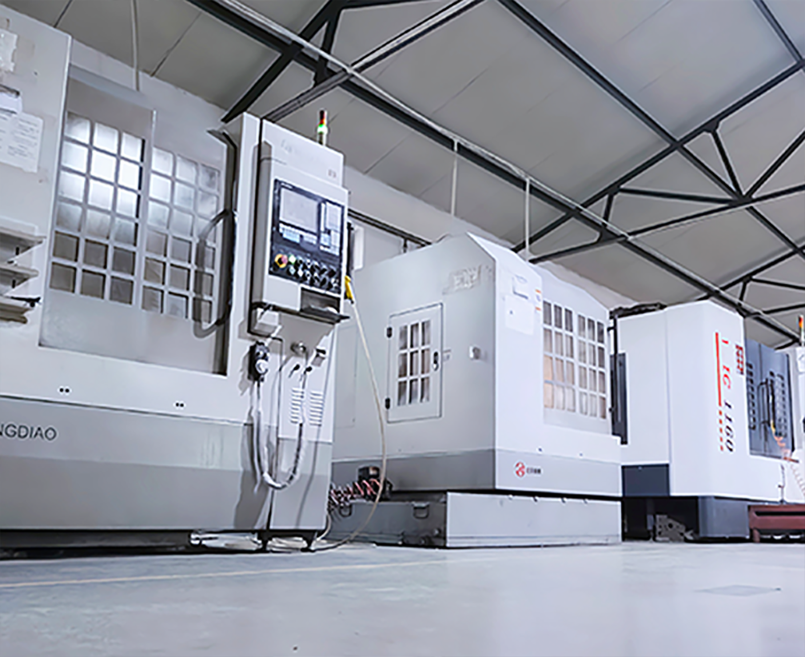
The performance of PVC conduit is governed by several engineering principles. Structural integrity under mechanical load is paramount. Conduit must resist crushing forces during installation (direct burial, concrete encasement) and maintain its shape under sustained loads. Force analysis involves calculating hoop stress and axial stress based on conduit dimensions, wall thickness, and applied pressure. Environmental resistance is crucial. PVC is susceptible to degradation from prolonged UV exposure, leading to embrittlement and discoloration. UV stabilizers mitigate this effect, but their effectiveness diminishes over time. Temperature sensitivity is another critical factor. PVC becomes brittle at low temperatures and can soften at elevated temperatures, affecting its load-bearing capacity. Compliance requirements, dictated by national and international electrical codes (NEC, IEC), specify minimum wall thicknesses, impact resistance ratings, and dielectric strength requirements. Furthermore, the conduit’s grounding capabilities (if applicable – some designs incorporate a grounding wire) must meet safety standards. The thermal expansion coefficient of PVC, significantly higher than that of metallic conduits, must be accounted for in installation design to prevent stress on connections and supported wiring. Long-term creep resistance is also an important consideration, particularly in applications involving sustained mechanical stress.
Technical Specifications
| Parameter | Schedule 40 (Imperial) | Schedule 80 (Imperial) | Metric (DN) | ASTM D1785 Standard |
|---|---|---|---|---|
| Material | Rigid PVC | Rigid PVC | Rigid PVC | PVC Compound |
| Impact Resistance (Foot-pounds @ -20°C) | 12 in-lbs | 20 in-lbs | 5 J | Minimum 12 in-lbs |
| Tensile Strength (PSI) | 6,000 PSI | 7,500 PSI | 41 MPa | Minimum 6,000 PSI |
| Dielectric Strength (Volts) | 20,000 V | 20,000 V | 20,000 V | Minimum 20,000 V |
| Operating Temperature Range (°C) | -40 to 60 °C | -40 to 80 °C | -40 to 60 °C | -40 to 60 °C |
| Wall Thickness (Typical) | 0.154 inches | 0.218 inches | 3.9 mm | Varies by Schedule/Size |
Failure Mode & Maintenance
PVC conduit, while durable, is susceptible to several failure modes. Long-term UV exposure leads to photodegradation, causing embrittlement, chalking, and loss of impact resistance. This manifests as surface cracking and eventual fracture. Chemical attack from solvents or corrosive substances can cause swelling, softening, and ultimately, failure. Mechanical damage during installation (over-tightening of fittings, impact from tools) can lead to cracking or deformation. Thermal stress, resulting from expansion and contraction cycles, can weaken connections and cause cracking, particularly in rigid installations. Fatigue cracking can occur in applications subject to vibration or repeated stress. Delamination, although less common, can occur if the PVC compound is not properly mixed or if moisture ingress occurs during manufacturing. Maintenance primarily focuses on preventative measures. Regular inspection for UV damage, cracks, or deformation is critical. Protecting conduit from direct sunlight with coatings or shading can significantly extend its service life. Proper installation techniques, including using appropriate fittings and avoiding over-tightening, are essential. Any damaged conduit sections should be replaced immediately. Cleaning with mild soap and water can remove surface contaminants, but harsh chemicals should be avoided. Avoid mechanical stress during handling and installation. In buried applications, ensure adequate bedding and backfill to prevent physical damage.
Industry FAQ
Q: What is the difference between Schedule 40 and Schedule 80 PVC conduit, and when should each be used?
A: Schedule 40 PVC conduit has thinner walls and is suitable for general-purpose electrical installations in dry locations. Schedule 80 conduit features thicker walls, providing greater impact resistance and mechanical strength. It's preferred for applications requiring increased protection, such as direct burial, concrete encasement, or areas prone to physical damage. The thicker wall also allows for higher operating temperatures.
Q: How does UV exposure affect PVC conduit, and what measures can be taken to mitigate this?
A: UV radiation causes photodegradation of PVC, leading to embrittlement and cracking. Mitigation strategies include using PVC compounds with enhanced UV stabilizers, painting conduit with UV-reflective coatings, or installing conduit in shaded locations or within protective structures. Regular inspection for signs of UV damage is also crucial.
Q: Is PVC conduit suitable for use in hazardous locations (e.g., those with flammable gases)?
A: Standard PVC conduit is not inherently suitable for use in classified hazardous locations. Specialized PVC conduit designed and certified for hazardous location use is available, incorporating features to prevent static buildup and ignition of flammable atmospheres. Compliance with relevant standards (e.g., NEC Article 500) is essential.
Q: What is the best method for joining PVC conduit sections?
A: PVC conduit sections are typically joined using solvent cementing (welding). This involves applying a PVC primer to clean both surfaces, followed by a PVC cement that chemically bonds the two pieces together. Proper application technique – including adequate ventilation, clean surfaces, and sufficient curing time – is critical for a strong, watertight seal. Threaded fittings are also available for certain applications.
Q: What are the primary considerations when direct burying PVC conduit?
A: When direct burying PVC conduit, ensure adequate depth (as specified by local codes), proper bedding (sand or fine gravel) to protect against rocks and debris, and backfill with suitable material to provide support and prevent damage. Consider the thermal expansion and contraction of the conduit and provide expansion joints where necessary. Warning tape should be placed above the conduit to alert future excavators.
Conclusion
PVC conduit and fittings represent a cost-effective and versatile solution for electrical raceway systems, particularly where corrosion resistance and non-conductivity are paramount. Its performance is intrinsically linked to the quality of the PVC compound, precise manufacturing control, and adherence to installation best practices. Understanding the material’s limitations – particularly its susceptibility to UV degradation and temperature sensitivity – is essential for ensuring long-term reliability and safety.
Future developments in PVC conduit technology are likely to focus on enhancing UV resistance through advanced stabilizer formulations, developing bio-based plasticizers to improve environmental sustainability, and optimizing conduit designs to improve mechanical strength and reduce weight. Continued adherence to and evolution of international standards will be critical for maintaining the integrity and safety of electrical infrastructure utilizing PVC conduit systems.