
Introduction
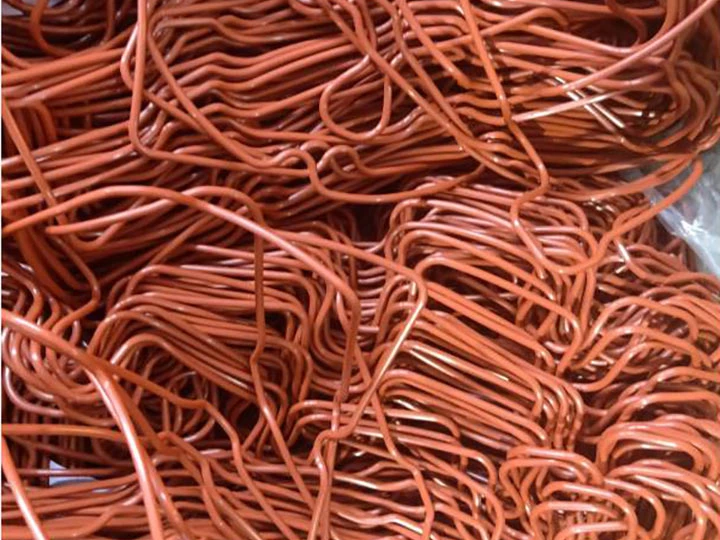
Rubber hose nipples are short, cylindrical connectors fabricated from elastomeric materials, primarily used to establish leak-proof connections between hoses and rigid fittings in fluid transfer systems. They function as essential components across diverse industries including automotive, agriculture, industrial manufacturing, and plumbing. Their technical position within the fluid handling chain is as a flexible interface, bridging the gap between rigid infrastructure and the dynamic requirements of hose-based conveyance. Core performance characteristics revolve around pressure resistance, chemical compatibility, temperature tolerance, and maintaining a robust seal to prevent fluid loss and system contamination. A significant industry pain point centers on nipple material degradation leading to leaks and downtime, particularly in applications involving aggressive chemicals or extreme temperatures. Ensuring compatibility and longevity is thus paramount.
Material Science & Manufacturing
The dominant material for rubber hose nipples is a compound based on synthetic rubbers, including Nitrile Butadiene Rubber (NBR), Ethylene Propylene Diene Monomer (EPDM), Silicone, and Chloroprene (Neoprene). NBR excels in oil resistance, crucial for fuel and lubricant applications. EPDM boasts superior resistance to weathering, ozone, and heat, ideal for automotive cooling systems and outdoor use. Silicone provides exceptional temperature resistance and flexibility, often used in food and pharmaceutical applications. Chloroprene offers a balance of properties, including moderate oil resistance and good weathering characteristics. Raw material physical properties, like Mooney viscosity, tensile strength, and elongation at break, are stringently controlled. Manufacturing typically involves compression molding or injection molding. Compression molding utilizes a pre-determined amount of rubber compound placed into a heated mold cavity. Injection molding forces molten rubber under high pressure into a closed mold. Critical parameters include mold temperature, curing time, and pressure. Post-molding processes include trimming, deburring, and often, surface treatment to enhance smoothness or adhesion. Chemical crosslinking (vulcanization) – typically utilizing sulfur-based systems – is fundamental to achieve the desired elastomeric properties. The selection of curing agents and accelerators dramatically affects the final performance characteristics. Inconsistent curing can result in reduced tensile strength, diminished elasticity, and premature failure. Dimensional accuracy is maintained through precise mold design and rigorous quality control procedures.
Performance & Engineering
Performance analysis of rubber hose nipples centers on burst pressure, tensile strength, elongation, hardness (measured using Shore A durometer), and resistance to fluid permeation. Burst pressure testing determines the maximum pressure the nipple can withstand before rupture, critical for safety-critical applications. Tensile strength and elongation quantify the material’s ability to resist deformation and stretch before failure. Hardness dictates the resistance to indentation, influencing sealing performance. Fluid permeation testing evaluates the rate at which fluids migrate through the rubber material, vital for maintaining fluid purity and preventing environmental contamination. Environmental resistance is assessed through exposure to various chemicals (oils, acids, bases), UV radiation, ozone, and temperature extremes. Force analysis focuses on the hoop stress within the nipple wall when subjected to internal pressure. Finite Element Analysis (FEA) is often employed to optimize nipple geometry and material selection to minimize stress concentration. Compliance requirements are dictated by industry-specific regulations, such as those established by the Society of Automotive Engineers (SAE) for automotive applications, or the Food and Drug Administration (FDA) for food-grade applications. Functional implementation necessitates careful consideration of fitting design. Barb fittings create an interference fit with the hose, while clamp fittings provide external compression. The nipple material must be compatible with both the hose and the fitting to ensure a secure, leak-proof connection.
Technical Specifications
| Material | Inner Diameter (ID) - inches | Outer Diameter (OD) - inches | Wall Thickness - inches |
|---|---|---|---|
| NBR (Nitrile Butadiene Rubber) | 0.50 | 0.75 | 0.125 |
| EPDM (Ethylene Propylene Diene Monomer) | 0.75 | 1.00 | 0.125 |
| Silicone | 1.00 | 1.50 | 0.250 |
| Chloroprene (Neoprene) | 0.25 | 0.50 | 0.125 |
| NBR (High Temperature Grade) | 0.625 | 0.875 | 0.125 |
| EPDM (Fuel Resistant Grade) | 1.25 | 1.75 | 0.250 |
Failure Mode & Maintenance
Common failure modes include cracking due to ozone or UV degradation, swelling or shrinking caused by incompatible fluids, extrusion through fittings under high pressure, and fatigue cracking from repeated flexing. Ozone cracking initiates at surface flaws and propagates along stress lines. Swelling is typically observed with petroleum-based fluids impacting NBR, while shrinking can occur with prolonged exposure to certain solvents. Extrusion occurs when the internal pressure exceeds the compressive strength of the rubber between the fitting and the hose. Fatigue cracking is prevalent in applications with dynamic pressure cycles. Failure analysis often involves microscopic examination of fracture surfaces to identify the root cause. Maintenance involves periodic visual inspection for cracks, swelling, or hardening. Replacement is recommended if any degradation is observed. Proper storage is crucial: avoid direct sunlight, extreme temperatures, and contact with incompatible chemicals. Lubrication with a compatible silicone-based lubricant can extend service life by reducing friction during hose assembly and disassembly. Regular torque checks on clamp fittings ensure adequate compression without over-tightening, which can damage the nipple. Preventative maintenance programs should incorporate scheduled replacements based on operating conditions and service history.
Industry FAQ
Q: What is the impact of temperature on NBR nipple performance?
A: NBR exhibits a limited temperature range, typically -40°C to 120°C. Exposure to temperatures outside this range can cause hardening or softening, leading to reduced flexibility, decreased tensile strength, and increased susceptibility to cracking. High temperatures accelerate degradation, while low temperatures can induce brittleness. For applications exceeding these limits, alternative materials like silicone or fluorocarbon rubber are recommended.
Q: How do I determine chemical compatibility between the nipple and the conveyed fluid?
A: Chemical compatibility charts, readily available from rubber manufacturers, provide guidance on resistance to various chemicals. However, these charts are generalizations. Direct testing with the specific fluid under operating conditions is the most reliable method. Consider factors like concentration, temperature, and exposure duration. Incompatibility can lead to swelling, softening, or dissolution of the rubber, compromising its integrity.
Q: What is the significance of Shore A hardness?
A: Shore A hardness measures the resistance of the rubber to indentation. A higher Shore A value indicates a harder material. Hardness affects sealing performance. Too soft, and the nipple may not provide an adequate seal. Too hard, and it may be prone to cracking or damage during installation. The optimal hardness depends on the application and fitting design.
Q: What are the key considerations when selecting a nipple for a high-pressure application?
A: Burst pressure is the primary consideration. Select a nipple with a burst pressure significantly exceeding the maximum operating pressure of the system. Also, consider the wall thickness and material strength. Reinforcement layers (e.g., fabric braiding) can enhance pressure resistance. Proper fitting design and installation are crucial to prevent extrusion.
Q: How does ozone affect rubber nipple lifespan?
A: Ozone is a potent oxidizing agent that attacks unsaturated bonds in rubber, causing cracking, especially under stress. EPDM rubber is inherently more resistant to ozone than NBR. Using ozone-resistant compounds, avoiding exposure to ozone-rich environments (e.g., near electric motors), and applying protective coatings can mitigate ozone degradation.
Conclusion
Rubber hose nipples are critical components in fluid transfer systems, demanding careful material selection and diligent engineering consideration. Their performance is intimately linked to their material composition, manufacturing processes, and operational environment. Understanding the nuances of material properties – particularly chemical compatibility and temperature resistance – is paramount to ensuring long-term reliability and preventing catastrophic failures.
Adhering to relevant industry standards, conducting thorough failure mode analysis, and implementing proactive maintenance schedules are essential best practices. Future advancements will likely focus on developing novel rubber formulations with enhanced resistance to extreme conditions and improved sustainability through the use of bio-based materials. Ultimately, a comprehensive understanding of the technical aspects of rubber hose nipples is indispensable for engineers and procurement professionals alike.