
Introduction
Polyvinyl Chloride (PVC) drain pipe fittings represent a critical component within residential, commercial, and industrial drainage systems. Positioned downstream in the building infrastructure, these fittings facilitate the controlled conveyance of wastewater, sewage, and other liquid effluents. Unlike vent systems which equalize pressure, drain systems rely on gravity for flow, making the precise geometry and structural integrity of fittings paramount. PVC fittings offer a cost-effective and corrosion-resistant alternative to traditional metallic piping, particularly in applications where acidic or alkaline waste streams are present. Core performance characteristics include fluid flow capacity (determined by fitting geometry and diameter), pressure resistance (dependent on schedule number and material formulation), and long-term durability under constant exposure to moisture and temperature fluctuations. The industry faces key pain points related to ensuring consistent dimensional accuracy across manufacturers, maintaining chemical resistance against evolving cleaning products, and mitigating the risk of mechanical failure under dynamic loading conditions.
Material Science & Manufacturing
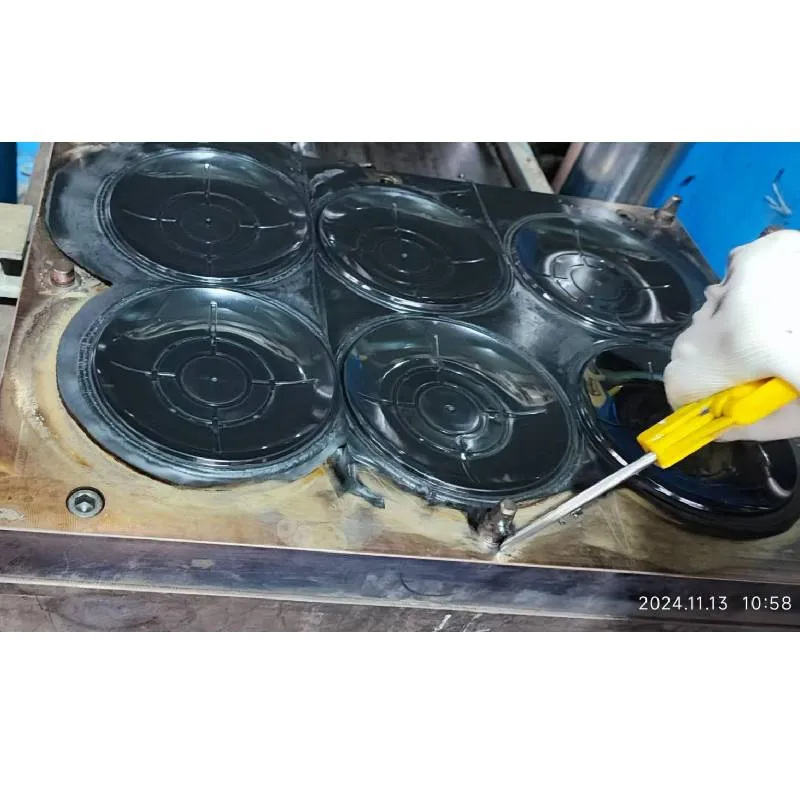
PVC drain pipe fittings are predominantly manufactured from rigid PVC compounds, typically incorporating vinyl chloride resin, plasticizers (often phthalates or alternatives), stabilizers (typically metal-based compounds like calcium-zinc or organotin), lubricants, and pigments. The vinyl chloride resin provides the base polymer, determining inherent rigidity and chemical resistance. Plasticizers are added to modulate flexibility, though their use is minimized in drain fittings to maintain structural integrity. Stabilizers prevent thermal degradation during processing and prolonged UV exposure. Manufacturing processes commonly employed include injection molding and extrusion. Injection molding is ideal for complex fitting geometries (elbows, tees, wyes), involving the injection of molten PVC into a precisely machined mold cavity. Critical parameters during injection molding include melt temperature (typically 180-210°C), injection pressure (30-80 MPa), and mold temperature (30-50°C). Extrusion is used for producing straight lengths of pipe and can also be adapted for certain fitting shapes. Extrusion parameters include die temperature, haul-off speed, and cooling rates. Post-processing operations include deburring, dimensional inspection, and quality control checks. Chemical compatibility is a key consideration; exposure to certain solvents or aggressive chemicals can cause PVC to swell, become brittle, or even dissolve, leading to leaks and system failures. The material’s glass transition temperature (Tg) is around 80°C, meaning performance degrades significantly above this temperature.
Performance & Engineering
The performance of PVC drain pipe fittings is fundamentally governed by principles of fluid dynamics and structural mechanics. Fittings introduce flow resistance, quantified by the minor loss coefficient (K-factor), which depends on the fitting’s geometry and internal diameter. Sharp bends and abrupt changes in cross-section generate higher K-factors, resulting in increased pressure drop. Engineering designs must account for hydrostatic pressure, which increases with pipe depth. Fittings must withstand this pressure without deformation or failure. PVC exhibits creep behavior under sustained loads, meaning it can slowly deform over time, particularly at elevated temperatures. Therefore, long-term load bearing capacity is a critical design consideration. The Schedule number (e.g., Schedule 40, Schedule 80) dictates wall thickness and, consequently, pressure rating. Schedule 80 fittings offer higher pressure resistance than Schedule 40. Environmental resistance is another crucial aspect. Prolonged UV exposure can lead to surface degradation and embrittlement, necessitating the use of UV stabilizers. Temperature fluctuations induce thermal expansion and contraction, which can stress joints and connections. Proper joint design and installation techniques (e.g., using appropriate solvent cement) are essential to accommodate these movements. Compliance requirements vary by region but typically involve adherence to standards related to material purity, dimensional accuracy, and pressure testing.
Technical Specifications
| Parameter | Schedule 40 (ASTM D1785) | Schedule 80 (ASTM D1785) | Material |
|---|---|---|---|
| Nominal Pipe Size (inches) | 1/2 – 12 | 1/2 – 12 | PVC (Polyvinyl Chloride) |
| Wall Thickness (inches) | 0.065 – 0.154 | 0.095 – 0.218 | Vinyl Chloride Resin |
| Pressure Rating (psi @ 73°F) | Up to 300 | Up to 600 | Plasticizers (Phthalates or Alternatives) |
| Tensile Strength (psi) | 6,000 - 8,000 | 6,500 - 8,500 | Stabilizers (Calcium-Zinc or Organotin) |
| Flexural Modulus (psi) | 300,000 - 400,000 | 320,000 - 420,000 | Impact Modifier (if applicable) |
| Operating Temperature Range (°F) | -40 to 140 | -40 to 140 | UV Stabilizers (for outdoor applications) |
Failure Mode & Maintenance
PVC drain pipe fittings are susceptible to several failure modes. Mechanical failure can occur due to excessive loads, impact damage, or improper installation. Fatigue cracking can develop under cyclic loading, particularly at stress concentration points (e.g., around threaded connections). Chemical attack from aggressive solvents or cleaning agents can cause swelling, embrittlement, or dissolution. UV degradation leads to surface crazing and loss of impact strength. Joint failures are common, often resulting from inadequate solvent cement application, improper alignment, or contamination of bonding surfaces. Delamination can occur in multi-layered fittings if the adhesive bond between layers fails. Maintenance primarily involves visual inspection for cracks, leaks, and signs of degradation. Regular cleaning to remove debris and buildup can prevent blockages and reduce pressure on the system. Damaged fittings should be replaced immediately to avoid catastrophic failure. Preventive maintenance includes ensuring proper ventilation to minimize temperature fluctuations and avoiding the use of incompatible cleaning chemicals. For long-term protection, consider applying a UV-resistant coating to fittings exposed to sunlight. When replacing fittings, always use compatible solvent cement and follow the manufacturer's instructions carefully.
Industry FAQ
Q: What is the impact of using abrasive cleaning agents on PVC drain fittings?
A: Abrasive cleaning agents, especially those containing strong alkalis or solvents, can gradually erode the PVC material, leading to thinning of the walls and increasing the risk of leaks. While occasional use may not cause immediate failure, consistent exposure accelerates degradation. It is recommended to use pH-neutral cleaners specifically designed for plastic plumbing systems.
Q: How does temperature affect the long-term performance of a PVC drainage system?
A: Elevated temperatures accelerate creep deformation in PVC, potentially leading to joint separation and reduced pressure capacity. Conversely, extremely low temperatures can make the material more brittle and susceptible to impact damage. Maintaining temperatures within the specified operating range (-40°F to 140°F) is crucial for long-term reliability.
Q: What are the common causes of solvent weld joint failures and how can they be prevented?
A: Common causes include insufficient cement application, improper alignment of the pipe and fitting, inadequate drying time, and contamination of bonding surfaces with dirt or moisture. Prevention involves thorough surface preparation, using the correct type of solvent cement for the PVC formulation, ensuring proper alignment, and allowing sufficient drying time before pressurizing the system.
Q: How important is UV protection for outdoor PVC drain lines?
A: UV protection is critical for outdoor applications. Prolonged UV exposure causes surface degradation, loss of impact strength, and eventual cracking. Using PVC compounds with UV stabilizers or applying a UV-resistant coating significantly extends the service life of the system.
Q: What is the difference between Schedule 40 and Schedule 80 PVC, and when should each be used?
A: Schedule 80 PVC has thicker walls than Schedule 40 PVC, resulting in a higher pressure rating and increased resistance to impact. Schedule 40 is suitable for most residential drainage applications, while Schedule 80 is recommended for high-pressure systems, industrial applications, and areas subject to significant mechanical stress.
Conclusion
PVC drain pipe fittings represent a robust and cost-effective solution for drainage systems, offering significant advantages in terms of corrosion resistance and ease of installation. However, their long-term performance is critically dependent on proper material selection, manufacturing quality, and installation practices. Understanding the material science principles governing PVC behavior – including creep, chemical compatibility, and UV degradation – is essential for engineers and procurement managers to ensure system reliability and prevent premature failure.
Future developments in PVC drain fitting technology are likely to focus on enhancing material formulations with improved impact resistance, increased chemical compatibility, and extended UV protection. The integration of smart sensors for leak detection and structural health monitoring may also become more prevalent. Adherence to rigorous industry standards and best practices will remain paramount for maintaining the integrity and longevity of these critical infrastructure components.