
Introduction
Metal tap washers are critical components in plumbing systems, functioning as sealing elements within tap fixtures to prevent leakage. Positioned between the valve seat and the valve stem, they create a watertight barrier when compressed. Traditionally constructed from materials like brass, bronze, or stainless steel, metal tap washers offer superior durability and resistance to deformation compared to rubber or polymer alternatives, particularly in high-pressure and high-temperature applications. Their selection is dictated by fluid compatibility, pressure ratings, and the specific demands of the plumbing system. This guide provides an in-depth technical analysis of metal tap washers, covering material science, manufacturing processes, performance characteristics, potential failure modes, and relevant industry standards. The core pain point in the industry revolves around consistent dimensional accuracy to ensure a reliable seal, material selection to avoid galvanic corrosion, and long-term performance under cyclical stress.
Material Science & Manufacturing
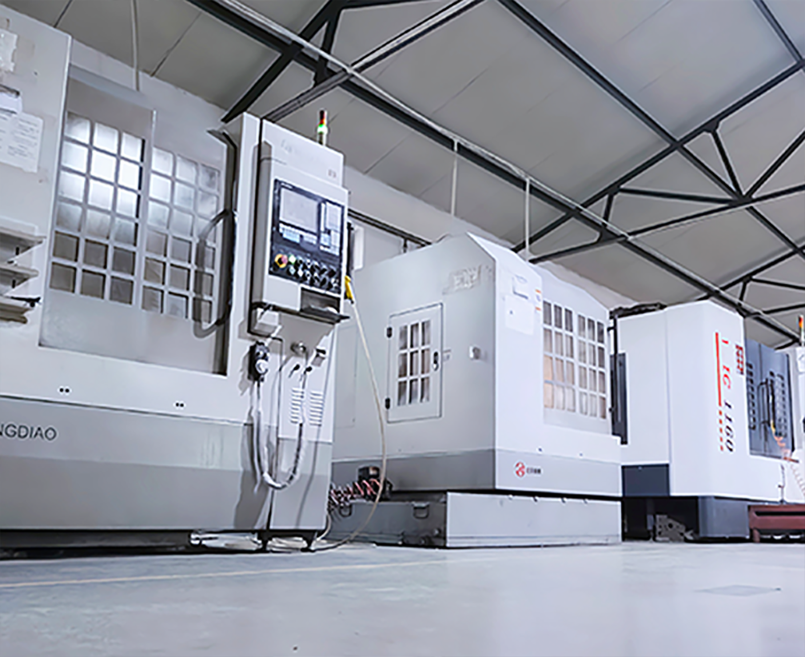
The predominant materials used in metal tap washer manufacturing are brass (typically C36000 or similar), bronze (e.g., C46400), and stainless steel (304, 316). Brass offers good machinability and corrosion resistance in many water environments, but can be susceptible to dezincification in certain conditions. Bronze provides superior corrosion resistance, particularly in saltwater environments, but is generally more expensive. Stainless steel is the most corrosion-resistant option but can be more challenging to machine and may require specific grades to avoid issues like stress corrosion cracking. The manufacturing process commonly involves hot forging, followed by precision machining (turning, milling, drilling). Parameter control during forging is crucial to achieve the desired grain structure and mechanical properties. Machining tolerances are typically held to within +/- 0.025mm to ensure a proper seal. Surface finish is also important, with a smooth surface minimizing friction and promoting a tight seal. Post-machining, washers often undergo deburring and cleaning to remove any sharp edges or contaminants. Heat treatment may be employed for specific alloys to enhance hardness and wear resistance. Material certification, including chemical composition analysis and mechanical property testing, is essential for quality control.
Performance & Engineering
The performance of a metal tap washer is primarily governed by its ability to withstand compressive stress and maintain a watertight seal. Force analysis centers around the clamping force applied by the valve stem and the contact pressure distributed across the valve seat. Finite Element Analysis (FEA) is often used to optimize washer geometry and material selection to maximize contact stress and minimize deformation under load. Environmental resistance is paramount, particularly concerning water quality. Exposure to chlorine, minerals, and pH fluctuations can induce corrosion. The washer material must be compatible with the expected fluid composition. Compliance requirements often dictate material certifications and testing for lead content (particularly in potable water applications, adhering to NSF/ANSI 61 standards). Functional implementation relies on precise dimensional control and surface finish to ensure effective sealing. The hardness of both the washer and the valve seat are critical; a mismatch can lead to premature wear or leakage. The coefficient of friction between the washer and the valve seat also influences the required tightening torque. The lifespan of a tap washer is affected by cyclical loading (opening and closing the tap), water pressure fluctuations, and the presence of abrasive particles.
Technical Specifications
| Material Grade | Hardness (Rockwell C) | Tensile Strength (MPa) | Operating Temperature (°C) |
|---|---|---|---|
| C36000 Brass | 80-90 | 400-550 | -20 to 80 |
| C46400 Bronze | 70-85 | 350-480 | -40 to 150 |
| 304 Stainless Steel | 85-100 | 500-700 | -200 to 300 |
| 316 Stainless Steel | 90-105 | 550-800 | -200 to 350 |
| Typical Washer Thickness (mm) | N/A | N/A | N/A |
| Typical Washer Diameter (mm) | N/A | N/A | N/A |
Failure Mode & Maintenance
Common failure modes for metal tap washers include wear, corrosion, deformation, and cracking. Wear occurs due to friction between the washer and the valve seat during operation. Corrosion, particularly galvanic corrosion (when dissimilar metals are in contact), can lead to material degradation and leakage. Deformation can result from excessive compressive stress or high temperatures, causing the washer to lose its sealing ability. Cracking can occur due to fatigue from cyclical loading or stress corrosion cracking, especially in stainless steel grades. Failure analysis often reveals root causes related to material selection, manufacturing defects, or improper installation. Maintenance typically involves periodic inspection and replacement of the washer. Preventative maintenance schedules should be established based on usage frequency and water quality. When replacing a washer, it’s crucial to clean the valve seat to remove any debris or corrosion products. Applying a small amount of plumber's grease can facilitate installation and reduce friction. When dissimilar metals are used, dielectric unions or coatings can help mitigate galvanic corrosion. Regularly flushing the plumbing system can also remove abrasive particles that contribute to wear.
Industry FAQ
Q: What material is best suited for a tap washer used in a high-chlorine environment?
A: For high-chlorine environments, 316 stainless steel is the most recommended material. While more expensive than brass or bronze, its superior corrosion resistance to chloride attack significantly extends its lifespan. Bronze (C46400) can also be used, but its performance will be lower than 316 stainless steel in highly chlorinated water. Brass is generally not suitable for long-term exposure to chlorine.
Q: What are the critical dimensional tolerances for a tap washer to ensure a leak-proof seal?
A: The critical dimensional tolerances typically fall within +/- 0.025mm for both diameter and thickness. However, the specific tolerance requirements depend on the valve seat geometry and the applied clamping force. The surface finish of the washer is also crucial; a Ra value of 1.6 µm or less is generally recommended to minimize leakage paths.
Q: How can galvanic corrosion be prevented when using a brass tap washer with a steel valve body?
A: Galvanic corrosion can be mitigated by using a dielectric union or coating the valve body or washer with a non-conductive material. Another approach is to select a brass alloy with a corrosion inhibitor added, or to use a sacrificial anode to protect the steel valve body.
Q: What is the typical lifespan of a metal tap washer under normal residential use?
A: The lifespan of a metal tap washer varies depending on water quality, usage frequency, and material selection. Under normal residential use, a brass or bronze washer may last 5-10 years, while a stainless steel washer can last 10-20 years or longer. Hard water and abrasive particles can significantly reduce lifespan.
Q: What testing standards are relevant to ensure a metal tap washer is safe for potable water applications?
A: NSF/ANSI 61 is the primary standard for ensuring that components used in potable water systems do not leach harmful contaminants into the water. Additionally, ASTM E1926 evaluates the resistance of plumbing components to microbial growth. Material certifications confirming compliance with lead content regulations (e.g., California Proposition 65) are also essential.
Conclusion
Metal tap washers remain a reliable and durable solution for sealing tap fixtures, offering superior performance compared to polymeric alternatives in demanding applications. Careful material selection, precision manufacturing, and adherence to industry standards are critical to ensuring long-term performance and preventing failures. Understanding the potential failure modes and implementing appropriate maintenance strategies are essential for maximizing the service life of these components.
Future advancements may focus on developing new alloys with enhanced corrosion resistance and wear properties, as well as incorporating smart materials that can self-adjust to maintain a consistent seal. Continued research into surface engineering techniques can further improve the performance and durability of metal tap washers, contributing to more sustainable and efficient plumbing systems.