
Introduction
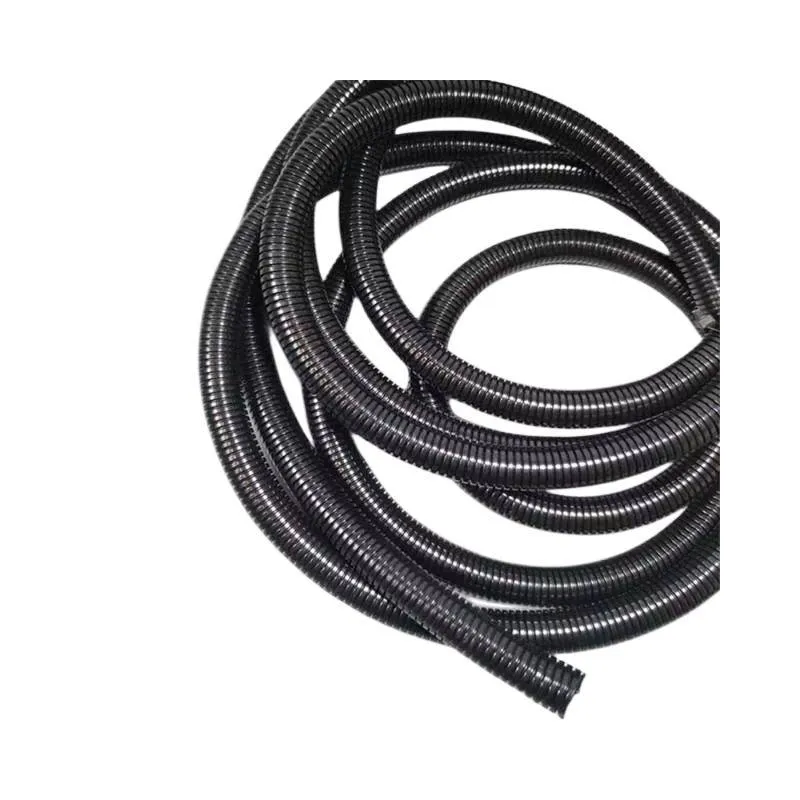
Plastic hose connectors are integral components in fluid transfer systems across numerous industries, including agriculture, automotive, industrial processing, and domestic applications. These connectors facilitate the secure and leak-proof joining of flexible hoses to rigid piping, equipment inlets, or other hoses. Unlike metal connectors, plastic versions offer advantages in corrosion resistance, weight reduction, and cost-effectiveness, but require careful material selection and design to ensure adequate mechanical strength and chemical compatibility. The industry chain encompasses raw material suppliers (polypropylene, nylon, PVC, etc.), connector manufacturers employing processes like injection molding and extrusion, and end-users integrating these components into complete systems. Core performance characteristics include pressure rating, tensile strength, chemical resistance, temperature tolerance, and connection security—all critical factors influencing system reliability and longevity. A key industry pain point is balancing cost-effectiveness with long-term durability, especially in applications involving harsh chemicals or extreme temperatures. Connector failure can lead to costly downtime, environmental hazards, and safety concerns.
Material Science & Manufacturing
The predominant materials used in plastic hose connector manufacturing are Polypropylene (PP), Polyvinyl Chloride (PVC), Polyamide (Nylon), and Polyethylene (PE). PP offers good chemical resistance and is commonly used for lower-pressure applications. PVC provides excellent resistance to many chemicals and is cost-effective, but can become brittle at low temperatures and may contain plasticizers impacting long-term performance. Nylon exhibits high tensile strength and abrasion resistance, making it suitable for high-pressure and demanding environments. PE is flexible and lightweight, commonly used for low-pressure applications. The selection is dictated by the intended application's pressure, temperature, and chemical exposure.
Manufacturing typically involves injection molding for complex connector geometries. This process requires precise temperature and pressure control to ensure complete filling of the mold and minimize internal stresses. Key parameters include melt temperature, mold temperature, injection pressure, and cooling rate. Extrusion is used for manufacturing hose barb sections and reinforcing rings. For threaded connectors, precise mold design is crucial to achieve accurate thread profiles ensuring leak-proof connections. Post-molding operations often include deburring, ultrasonic welding for assembly of multi-component connectors, and quality control inspections. Chemical compatibility testing and mechanical strength assessment are paramount to verify product integrity. Material properties such as Izod impact strength, tensile strength (ASTM D638), and flexural modulus are routinely tested. Dimensional accuracy is verified using coordinate measuring machines (CMM).
Performance & Engineering
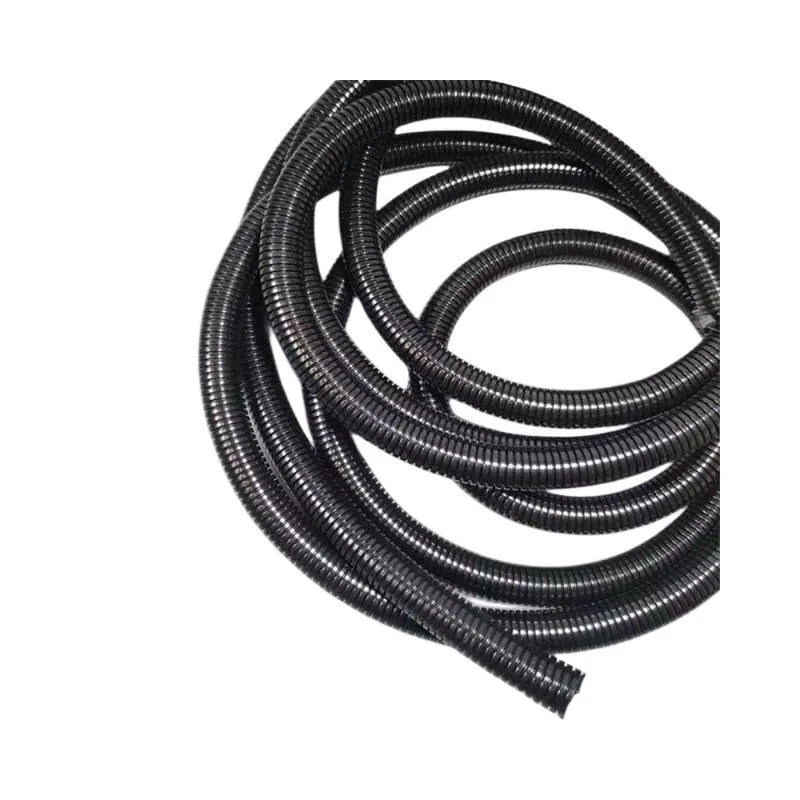
The performance of plastic hose connectors is fundamentally governed by stress analysis, particularly concerning hoop stress in threaded sections and tensile stress at the hose connection point. Finite element analysis (FEA) is extensively used to optimize connector geometry and material distribution for maximum pressure resistance. Burst pressure testing (ASTM D1598) is a critical validation step. Environmental resistance is a major consideration. UV exposure can cause degradation in PP and PE, leading to embrittlement and cracking. Chemical resistance data sheets are vital for selecting appropriate materials for specific fluid compatibility. Temperature fluctuations induce thermal expansion and contraction, which can compromise connection integrity. Design considerations include incorporating sealing features such as O-rings (typically made of EPDM, nitrile, or Viton) and ensuring proper clamping force distribution. Compliance with industry standards, such as NSF/ANSI 61 for potable water systems and REACH/RoHS regulations for restricted substances, is often required. Fatigue analysis is also crucial, as connectors may be subjected to repeated connection/disconnection cycles or vibrations.
Technical Specifications
| Material | Pressure Rating (PSI) | Temperature Range (°C) | Connection Type |
|---|---|---|---|
| Polypropylene (PP) | 150 | -20 to 80 | Barb, Threaded |
| Polyvinyl Chloride (PVC) | 200 | -10 to 60 | Barb, Threaded, Slip |
| Polyamide (Nylon 6/6) | 300 | -40 to 120 | Barb, Threaded, Quick Connect |
| Polyethylene (PE) | 80 | -60 to 60 | Barb, Compression |
| Polypropylene (PP) Reinforced with Glass Fiber | 250 | -20 to 90 | Barb, Threaded |
| PVC with Plasticizer | 180 | 0 to 70 | Barb, Threaded |
Failure Mode & Maintenance
Common failure modes in plastic hose connectors include cracking due to stress concentration (particularly at threaded areas), brittle fracture from low-temperature exposure or material degradation, leakage resulting from seal failure or improper tightening, and chemical attack leading to material dissolution or swelling. Fatigue cracking can occur in connectors subjected to repeated flexing or vibration. UV degradation causes embrittlement and loss of impact resistance. A critical failure analysis technique is fracture surface examination using scanning electron microscopy (SEM) to identify the root cause of failure. Maintenance primarily focuses on preventative measures. Regular inspection for cracks, discoloration, or deformation is essential. Proper tightening torque (as specified by the manufacturer) must be observed to avoid over-tightening (leading to thread damage) or under-tightening (resulting in leaks). Avoid exposure to incompatible chemicals. If O-rings are present, periodic replacement is recommended, especially in demanding applications. Storage in a cool, dry, and UV-protected environment will extend connector lifespan. For threaded connections, applying a thread sealant compatible with the fluid being transferred can prevent leakage.
Industry FAQ
Q: What is the impact of prolonged exposure to UV radiation on polypropylene hose connectors?
A: Prolonged UV exposure causes chain scission in polypropylene, leading to reduced tensile strength, increased brittleness, and surface cracking. This significantly decreases the connector's lifespan and increases the risk of failure. UV stabilizers are often added to PP formulations to mitigate this effect, but even with stabilizers, extended outdoor exposure necessitates periodic inspection and eventual replacement.
Q: How does temperature cycling affect the long-term performance of threaded plastic connectors?
A: Temperature cycling induces thermal expansion and contraction, creating stress at the threads. Repeated cycles can lead to stress cracking, loosening of the connection, and eventual leakage. Using a thread sealant and ensuring proper tightening torque can help minimize these effects. Selecting a material with a low coefficient of thermal expansion is also beneficial.
Q: What are the key considerations when selecting a plastic hose connector for use with corrosive chemicals?
A: Chemical compatibility is paramount. Consult chemical resistance charts for the specific fluid and the connector material. PVC and polypropylene generally offer good resistance to many acids and bases, but specific concentrations and temperatures can impact performance. Nylon is susceptible to degradation by strong acids and alkalis. Consider the long-term effects of chemical exposure, including swelling, dissolution, and cracking.
Q: What are the advantages of using nylon connectors over PVC connectors in high-pressure applications?
A: Nylon possesses significantly higher tensile strength and burst pressure resistance compared to PVC. It also exhibits better abrasion resistance and can withstand higher temperatures. While PVC is more cost-effective, nylon offers superior durability and reliability in demanding high-pressure environments. However, nylon is more susceptible to hydrolysis and degradation in the presence of certain chemicals.
Q: How can I verify the correct tightening torque for a plastic threaded connector?
A: Refer to the manufacturer's specifications for the recommended tightening torque. Overtightening can strip the threads, while undertightening can lead to leakage. Using a calibrated torque wrench is crucial for accurate tightening. If no torque specification is available, start with a conservative torque value and gradually increase it while monitoring for signs of thread deformation or leakage.
Conclusion
Plastic hose connectors represent a versatile and cost-effective solution for fluid transfer applications. However, their performance is heavily reliant on careful material selection, precise manufacturing processes, and an understanding of potential failure modes. The choice of material—PP, PVC, Nylon, or PE—must be driven by the specific requirements of the application, including pressure, temperature, chemical compatibility, and UV exposure.
Future trends are likely to focus on the development of new polymer blends with enhanced properties, such as improved chemical resistance and higher temperature tolerance. The integration of smart sensors into connectors for leak detection and performance monitoring is also a potential area of innovation. Ultimately, a thorough understanding of the technical considerations outlined in this guide is crucial for ensuring the reliable and long-term performance of plastic hose connector systems.