
Introduction
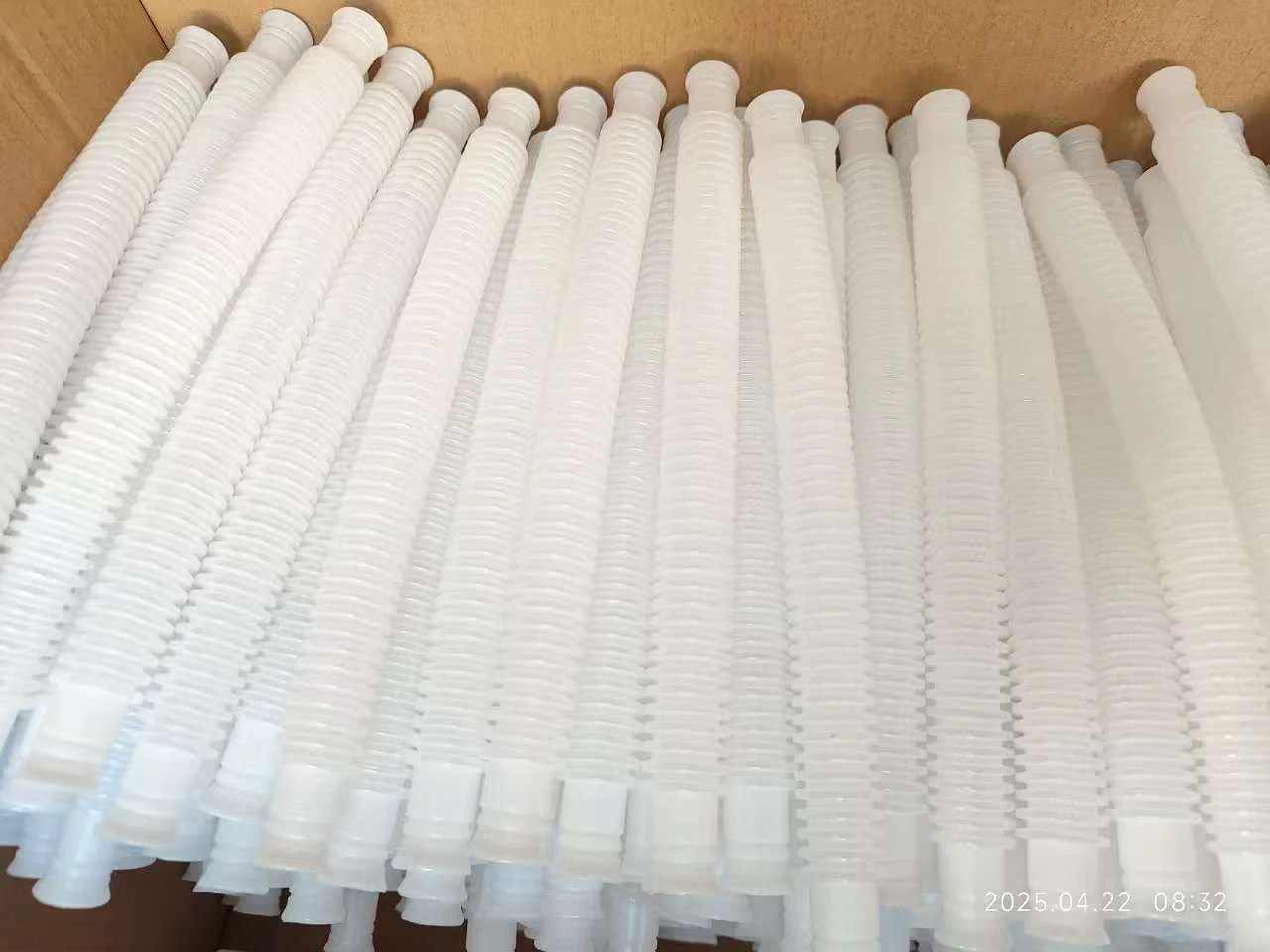
Plastic part manufacturing encompasses a diverse range of processes used to convert raw plastic materials into finished components. Positioned centrally within the broader manufacturing ecosystem, it serves industries spanning automotive, aerospace, medical devices, consumer goods, and packaging. The industry's core performance metrics center around dimensional accuracy, mechanical strength (tensile, flexural, impact), thermal stability, chemical resistance, and surface finish. Increasingly, sustainability considerations – recyclability, bio-based materials, and reduced material waste – are becoming paramount. The fundamental challenge lies in balancing cost-effectiveness with stringent performance requirements and growing environmental concerns. This guide provides an in-depth technical overview of plastic part manufacturing, covering material science, processing techniques, performance characteristics, failure analysis, and relevant industry standards. The selection of the optimal plastic material and manufacturing process is critical, dependent on the intended application and anticipated operating conditions. This decision is often impacted by regulatory compliance, particularly in sectors like food contact and medical applications.
Material Science & Manufacturing
The foundation of plastic part manufacturing lies in understanding the properties of thermoplastic and thermosetting polymers. Thermoplastics, such as Polypropylene (PP), Polyethylene (PE), Polyvinyl Chloride (PVC), Acrylonitrile Butadiene Styrene (ABS), and Polycarbonate (PC), can be repeatedly softened by heating and hardened by cooling. Their molecular structure consists of long chains that are not chemically bonded, allowing for reshaping. Thermosets, including Epoxy, Phenolic, and Polyester resins, undergo an irreversible chemical change during curing, forming a rigid, cross-linked structure. This renders them incapable of being remelted. The choice between thermoplastic and thermoset is dictated by the application’s temperature requirements, structural demands, and chemical exposure.
Common manufacturing processes include:
- Injection Molding: Molten plastic is injected into a mold cavity under high pressure. Critical parameters include melt temperature, injection pressure, cooling rate, and mold temperature. Mold design and material selection (typically hardened steel or aluminum) are crucial for achieving dimensional accuracy and minimizing warpage.
- Extrusion: Plastic is forced through a die to create continuous profiles (tubing, sheets, films). Screw design, barrel temperature control, and die geometry dictate the product’s dimensions and quality.
- Blow Molding: Used to create hollow parts (bottles, containers). A parison (hollow tube of plastic) is inflated against a mold cavity using compressed air.
- Thermoforming: A plastic sheet is heated and formed over a mold using vacuum or pressure. Widely used for packaging and disposable products.
- Rotational Molding: Plastic powder is placed inside a mold, which is then rotated biaxially while heated. Produces hollow, seamless parts, ideal for large containers.
- 3D Printing (Additive Manufacturing): Layer-by-layer construction of parts from digital designs, using materials like PLA, ABS, and Nylon.
Material properties are often enhanced through the addition of fillers (glass fibers, carbon fibers, minerals) and additives (plasticizers, stabilizers, colorants, flame retardants). These additives impact mechanical strength, thermal stability, UV resistance, and processing characteristics. Control of polymer molecular weight distribution and crystallinity also plays a significant role in determining the final product's properties.
Performance & Engineering
Performance analysis of plastic parts demands consideration of various stress states. Tensile stress, compressive stress, shear stress, and bending stress are all relevant depending on the application. Finite Element Analysis (FEA) is commonly employed to predict stress distribution and identify potential failure points. Creep, the time-dependent deformation under sustained load, is a critical factor for long-term applications. Impact resistance, measured using Izod or Charpy impact tests, determines the material’s ability to withstand sudden loads.
Environmental resistance is paramount. Exposure to UV radiation can cause degradation, leading to embrittlement and discoloration. Chemical resistance must be evaluated against anticipated contact substances (acids, bases, solvents, oils). Temperature extremes can induce thermal expansion/contraction and alter mechanical properties. Moisture absorption can affect dimensional stability and electrical properties.
Compliance requirements vary significantly by industry. Medical devices require biocompatibility testing (ISO 10993). Food contact applications necessitate adherence to FDA regulations. Automotive parts must meet stringent safety standards (e.g., flammability requirements). UL certifications (Underwriters Laboratories) validate electrical safety and flammability characteristics. RoHS (Restriction of Hazardous Substances) and REACH (Registration, Evaluation, Authorisation and Restriction of Chemicals) regulations restrict the use of certain hazardous materials.
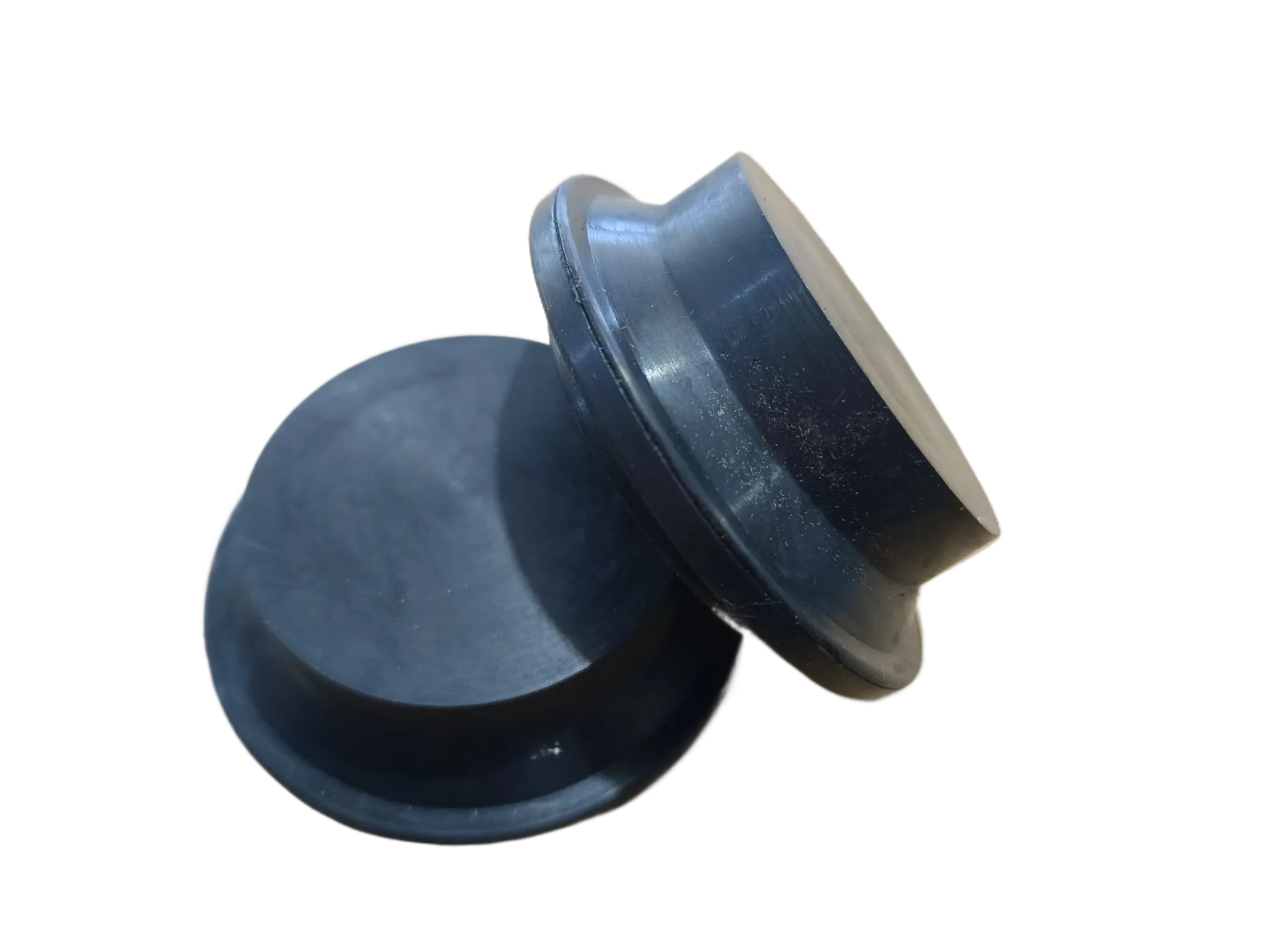
Functional implementation details depend on the specific part. For gears, material hardness and wear resistance are critical. For housings, impact resistance and dimensional stability are key. For seals, chemical resistance and flexibility are essential. The design must account for manufacturing tolerances, assembly constraints, and anticipated service life.
Technical Specifications
| Material | Tensile Strength (MPa) | Flexural Modulus (GPa) | Izod Impact Strength (J/m) | Heat Deflection Temperature (°C) | Water Absorption (% 24hr) |
|---|---|---|---|---|---|
| Polypropylene (PP) | 20-40 | 1.5-2.0 | 200-500 | 60-80 | 0.1-0.5 |
| Polyethylene (PE) | 10-30 | 0.2-0.4 | 300-800 | 60-90 | 0.1-0.3 |
| ABS | 30-60 | 2.5-3.5 | 300-600 | 85-105 | 0.2-0.8 |
| Polycarbonate (PC) | 55-75 | 2.3-2.6 | 600-800 | 130-140 | 0.1-0.6 |
| Nylon 6 | 60-80 | 2.5-3.5 | 500-900 | 80-100 | 1.0-1.5 |
| PVC | 40-60 | 2.5-3.0 | 400-700 | 70-80 | 0.2-0.6 |
Failure Mode & Maintenance
Plastic parts are susceptible to various failure modes. Fatigue cracking occurs under cyclic loading, initiating at stress concentrations (e.g., corners, holes). Environmental Stress Cracking (ESC) results from the combined action of stress and a corrosive environment. Creep rupture occurs over time under sustained load. Impact failure involves brittle fracture due to sudden impact. Thermal degradation leads to loss of mechanical properties due to prolonged exposure to high temperatures. UV degradation causes embrittlement and discoloration. Chemical attack can dissolve or swell the plastic, weakening its structure. Delamination can occur in composite materials, weakening the structure.
Failure analysis techniques include visual inspection, microscopic examination (SEM, optical microscopy), mechanical testing (tensile, impact, flexural), and chemical analysis (FTIR, DSC). Root cause analysis (RCA) is essential to identify the underlying reasons for failure (material defects, processing errors, design flaws, improper usage).
Maintenance recommendations vary depending on the application. Regular inspection for cracks, discoloration, or deformation is crucial. Protective coatings can mitigate UV degradation and chemical attack. Lubrication reduces friction and wear in moving parts. Avoiding excessive loads and harsh environments prolongs service life. Proper storage conditions (temperature, humidity, UV exposure) prevent premature degradation. For critical applications, scheduled replacement of parts based on predicted service life is advisable.
Industry FAQ
Q: What are the key considerations when selecting a plastic material for a load-bearing application?
A: The primary factors are tensile strength, flexural modulus, and creep resistance. You must also consider the operating temperature, the type of load (static or dynamic), and the environmental conditions. For sustained loads, creep performance is critical. Finite Element Analysis (FEA) is highly recommended to predict stress distribution and ensure the selected material can withstand the anticipated loads without failure.
Q: How does mold design affect the quality of injection-molded parts?
A: Mold design is paramount. Factors like gate location, runner system design, venting, and cooling channel layout significantly influence flow behavior, shrinkage, and warpage. Improper venting can lead to air traps and incomplete filling. Insufficient cooling can cause longer cycle times and increased warpage. Mold material and surface finish also impact part quality.
Q: What are the common causes of warpage in plastic parts?
A: Warpage is typically caused by uneven shrinkage during cooling. Factors contributing to uneven shrinkage include non-uniform wall thickness, complex geometries, and improper cooling. Material selection also plays a role; some materials are more prone to warping than others. Mold design improvements, such as optimizing cooling channel layout and adding ribs, can minimize warpage.
Q: How can I improve the chemical resistance of a plastic part?
A: Selecting a material inherently resistant to the target chemicals is the first step. Coatings can provide an additional barrier against chemical attack. Additives, such as stabilizers and antioxidants, can enhance chemical resistance. Consider the concentration and temperature of the chemical exposure. Thicker sections generally provide better resistance than thinner sections.
Q: What are the advantages and disadvantages of using 3D printing for plastic part production?
A: Advantages include design freedom, rapid prototyping, and low tooling costs. Disadvantages include limited material selection, slower production speeds compared to traditional methods, and potentially lower mechanical properties. 3D printing is best suited for low-volume production, complex geometries, and customized parts. The mechanical properties of 3D printed parts are highly dependent on printing parameters (layer height, infill density, print speed).
Conclusion
The successful manufacturing of plastic parts necessitates a comprehensive understanding of material science, processing techniques, and performance characteristics. The optimal material and manufacturing process are dictated by the specific application requirements, encompassing mechanical loading, environmental exposure, and regulatory compliance. Failure mode analysis and preventative maintenance are critical for ensuring long-term reliability and minimizing downtime. Advancements in polymer chemistry and processing technologies are continually expanding the capabilities of plastic part manufacturing.
Looking ahead, the industry will increasingly focus on sustainability, with a greater emphasis on bio-based polymers, recycled materials, and closed-loop manufacturing processes. Additive manufacturing will continue to gain prominence, particularly for complex geometries and customized applications. Predictive modeling and machine learning will be leveraged to optimize process parameters and improve product quality. Collaboration between material suppliers, manufacturers, and end-users will be essential for driving innovation and addressing the evolving challenges of the plastic part manufacturing industry.