
Introduction
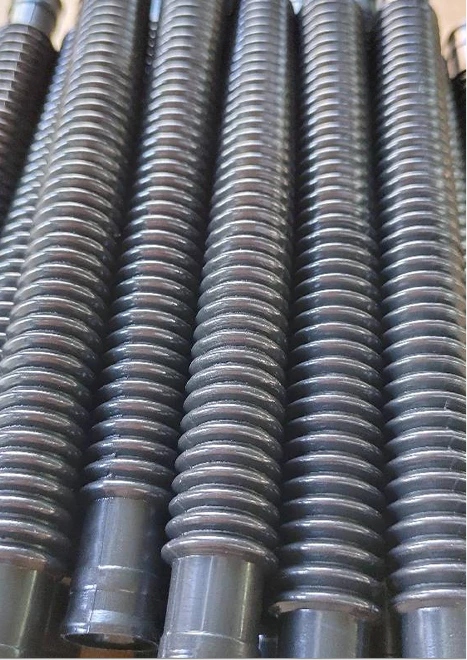
Tube fittings are critical components in fluid conveyance systems across diverse industries including oil and gas, chemical processing, pharmaceuticals, power generation, and aerospace. These fittings establish leak-tight connections between tubes, pipes, and other system components, enabling the safe and efficient transport of liquids and gases. Their technical position within the industrial chain is foundational; a failure in a tube fitting can lead to system downtime, environmental hazards, and substantial economic losses. Core performance characteristics encompass pressure rating, temperature tolerance, material compatibility, and resistance to corrosion and vibration. The selection of appropriate tube fittings necessitates a deep understanding of the fluid being conveyed, operating conditions, and relevant industry standards. A key pain point for procurement managers is balancing initial cost with long-term reliability and minimizing the potential for catastrophic failure. Engineers grapple with specifying fittings that can withstand extreme environments and maintain structural integrity over extended operational lifespans.
Material Science & Manufacturing
Tube fittings are manufactured from a range of materials, each offering distinct properties. Stainless steel (304, 316, 316L) is the most common due to its excellent corrosion resistance and mechanical strength. Alloy steels, such as Inconel and Hastelloy, are employed in high-temperature and highly corrosive environments. Brass and bronze fittings are suitable for lower-pressure applications and compatibility with specific fluids. Polymers like PTFE (Teflon) are used for sealing components due to their chemical inertness and low friction. The manufacturing processes vary depending on the fitting type and material. Swaged fittings involve reducing the diameter of a tube using a die, requiring precise control of deformation to avoid weakening the material. Machined fittings, often from bar stock, demand tight tolerances and surface finishes. Welding processes (GTAW, GMAW) used for fabricated fittings require qualified welders and rigorous non-destructive testing (NDT) to ensure weld integrity. Critical parameters during manufacturing include material composition verification, dimensional accuracy, surface roughness, and heat treatment protocols. Failure to control these parameters can result in premature failure through stress corrosion cracking, fatigue, or leakage. Material traceability is paramount for compliance and failure analysis.
Performance & Engineering
The performance of tube fittings is governed by several engineering principles. Pressure containment is a primary concern, relying on the compressive strength of the sealing surfaces and the integrity of the fitting body. Force analysis, utilizing Finite Element Analysis (FEA), is frequently used to model stress distribution under pressure and temperature cycles. Environmental resistance requires careful consideration of the fluid being conveyed and the ambient conditions. Corrosion mechanisms, such as pitting, crevice corrosion, and galvanic corrosion, must be understood and mitigated through material selection and protective coatings. Vibration can induce fatigue failure, necessitating the use of vibration dampening techniques or robust fitting designs. Compliance requirements vary by industry and region. For example, the oil and gas industry adheres to API 6A and API 20E standards, while aerospace applications demand compliance with AS9100. Functional implementation often involves complex tube bending operations, requiring specialized equipment and skilled technicians to avoid kinking or thinning of the tube wall. Leak testing, utilizing helium or nitrogen, is essential to verify the integrity of the connection. Proper installation procedures, including torque specifications and thread sealant application, are crucial for optimal performance.
Technical Specifications
| Material | Pressure Rating (PSI) | Temperature Range (°F) | Connection Type |
|---|---|---|---|
| 316 Stainless Steel | 6000 | -328 to 500 | Compression |
| 304 Stainless Steel | 4500 | -20 to 450 | NPT |
| Carbon Steel | 3000 | -20 to 250 | Welded |
| Brass | 2000 | -65 to 250 | Flare |
| Alloy 20 | 5000 | -80 to 600 | Socket Weld |
| PTFE (liner) with Stainless Steel | 2500 | -400 to 500 | Push-to-Connect |
Failure Mode & Maintenance
Tube fitting failures can manifest in various forms. Fatigue cracking, induced by cyclic pressure and vibration, is a common mode, often originating at stress concentration points such as threads or swaged areas. Corrosion, particularly pitting and crevice corrosion, can weaken the material and lead to leakage. Galling, a form of adhesive wear, can occur on threaded connections due to improper lubrication or over-tightening. Erosion, caused by abrasive particles in the fluid stream, can damage sealing surfaces. Delamination can occur in multi-layer fittings, particularly those with polymeric components. Oxidation at high temperatures can embrittle materials. Maintenance strategies include regular visual inspections for signs of corrosion, leakage, or damage. Torque verification should be performed periodically to ensure proper connection tightness. Lubrication of threaded connections with compatible lubricants is essential. Replacement of fittings exhibiting signs of degradation is crucial. Non-destructive testing (NDT) methods, such as ultrasonic testing and radiography, can be used to detect internal flaws. Proper storage and handling practices, protecting fittings from environmental exposure and physical damage, are vital for preventing premature failure. Implementing a preventative maintenance program based on risk assessment and operating conditions is highly recommended.
Industry FAQ
Q: What is the impact of varying fluid temperatures on the long-term performance of stainless steel tube fittings?
A: Fluctuating fluid temperatures induce thermal stress within the fitting material. Repeated expansion and contraction can lead to fatigue cracking, particularly at threaded connections. Furthermore, elevated temperatures can accelerate corrosion rates, especially in the presence of chlorides or other corrosive agents. Selecting a stainless steel grade with appropriate thermal expansion characteristics and ensuring proper stress relief during installation are critical mitigation strategies.
Q: How does the choice of thread sealant impact the corrosion resistance of a tube fitting system?
A: Incompatible thread sealants can introduce corrosion cells, accelerating localized corrosion. PTFE-based sealants are generally preferred due to their chemical inertness. However, even with PTFE sealants, ensure compatibility with the conveyed fluid and avoid excessive application, which can impede proper grounding in certain systems.
Q: What are the key considerations when selecting tube fittings for a high-vibration environment?
A: High-vibration environments can loosen connections and induce fatigue failure. Utilizing vibration-resistant fitting designs, such as those with double-seal configurations or locking mechanisms, is essential. Applying appropriate anti-vibration compounds and ensuring proper torque specifications during installation also helps mitigate the risk of loosening.
Q: What NDT methods are commonly used to verify the integrity of welded tube fittings?
A: Radiographic testing (RT) is frequently used to detect internal flaws in weldments. Ultrasonic testing (UT) can also identify subsurface defects. Dye penetrant testing (PT) is effective for detecting surface cracks. Liquid penetrant testing (LT) is also used for surface flaw detection. Visual inspection, performed by certified welders, is a crucial first step in quality control.
Q: How can material traceability be maintained throughout the tube fitting manufacturing and supply chain?
A: Implementing a robust material traceability system involves assigning unique identification numbers to each batch of raw material. Maintaining detailed records of material composition, manufacturing processes, and NDT results is critical. Utilizing barcode or RFID technology can facilitate efficient tracking throughout the supply chain, ensuring compliance with industry regulations and enabling effective failure analysis.
Conclusion
Tube fittings are indispensable components in a vast array of industrial applications, demanding careful consideration of material science, manufacturing processes, and engineering principles. Their selection requires a holistic understanding of operating conditions, fluid compatibility, and relevant industry standards. Minimizing the risk of failure necessitates a proactive approach to maintenance, encompassing regular inspections, torque verification, and timely replacement of degraded components.
Future advancements in tube fitting technology will likely focus on the development of lightweight, high-strength materials, innovative sealing mechanisms, and smart fitting designs incorporating sensors for real-time monitoring of pressure, temperature, and leakage. These advancements will further enhance system reliability, reduce maintenance costs, and improve operational safety.